
Food Supply for Food Delivery Businesses in Nigeria: A Practical Guide to Reliable Sourcing


The rapid growth of food delivery services in Nigeria has created new opportunities for restaurants, cloud kitchens, and independent vendors. However, one of the most critical factors determining success in this space is reliable food supply for food delivery businesses in Nigeria. Consistent quality, cost control, and efficient logistics are essential to meet customer expectations and maintain profitability.
This guide explores how food delivery businesses can build resilient supply chains and how strategic partners like Wigmore Trading can support operations.
Understanding the Demand for Food Supply in Nigeria’s Delivery Market
Nigeria’s urban population, combined with increasing smartphone usage, has fueled demand for food delivery platforms. Businesses must now operate at scale while maintaining food quality and hygiene standards.
Key supply requirements include:
- Fresh produce (vegetables, fruits, herbs)
- Proteins (poultry, beef, seafood)
- Dry goods (rice, flour, spices)
- Packaged FMCG items (sauces, oils, beverages)
Meeting this demand consistently requires structured sourcing and dependable suppliers.
Challenges in Food Supply for Food Delivery Businesses in Nigeria
1. Inconsistent Quality of Raw Materials
Many businesses struggle with fluctuating product quality due to fragmented supply chains. Variability in farm produce or improper storage can directly affect customer satisfaction.
2. Supply Chain Disruptions
Transportation delays, poor road infrastructure, and seasonal shortages can interrupt supply. This is particularly challenging for perishable goods.
3. Price Volatility
Food prices in Nigeria can fluctuate due to inflation, import restrictions, and currency changes. This makes cost planning difficult for delivery businesses operating on tight margins.
4. Storage and Inventory Issues
Limited cold chain infrastructure often leads to spoilage, especially for meat, dairy, and fresh produce.
Building a Reliable Food Supply Chain
Partner with Structured Suppliers
Working with established distributors helps ensure consistency in quality and supply. Businesses should prioritize suppliers with:
- Verified sourcing channels
- Quality control processes
- Reliable delivery schedules
Wigmore Trading supports businesses by sourcing high-quality food products both locally and internationally, ensuring consistency across batches.
Diversify Your Supplier Base
Relying on a single supplier increases risk. A diversified sourcing strategy helps maintain continuity during disruptions.
For example:
- Local farms for fresh produce
- Import channels for specialty or off-season items
- Wholesale distributors for bulk dry goods
Wigmore Trading can facilitate both local sourcing and importation, reducing dependency risks.
Invest in Logistics and Cold Chain Solutions
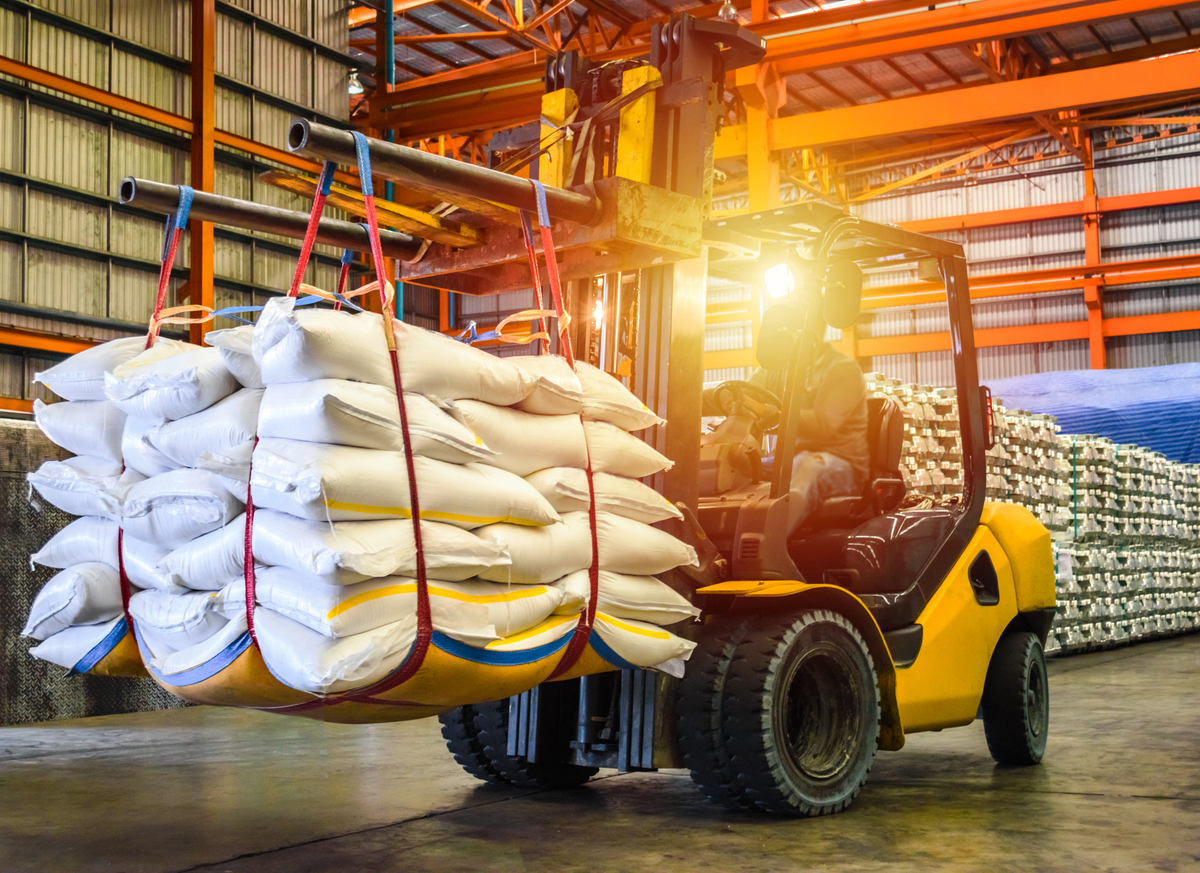
Efficient logistics is essential for maintaining product quality. Businesses should consider:
- Refrigerated transport for perishables
- Proper warehousing systems
- Inventory tracking tools
Through its logistics network, Wigmore Trading assists with transportation and storage solutions, helping businesses maintain product integrity from source to kitchen.
Focus on Compliance and Food Safety
Food delivery businesses must comply with Nigerian food safety regulations. This includes:
- Proper labeling
- Safe handling practices
- Regulatory approvals for imported goods
Navigating compliance can be complex, especially for imported items. Wigmore Trading supports businesses with documentation, regulatory compliance, and import clearance processes.
Cost Optimisation Strategies
Bulk Purchasing
Buying in bulk reduces unit costs and ensures supply stability. However, this requires proper storage planning.
Long-Term Supplier Agreements
Negotiating fixed-price contracts with suppliers can protect against market volatility.
Efficient Inventory Management
Reducing waste through better demand forecasting improves profitability.
Wigmore Trading helps businesses optimise procurement by offering competitive pricing, bulk supply options, and efficient distribution systems.
Technology and Data in Supply Chain Management
Modern food delivery businesses increasingly rely on data to manage supply chains. Key tools include:
- Inventory management systems
- Demand forecasting software
- Supplier performance tracking
These tools help businesses anticipate demand spikes and avoid stockouts.
Why Reliable Food Supply Matters
A strong supply chain directly impacts:
- Customer satisfaction
- Operational efficiency
- Brand reputation
- Profit margins
In Nigeria’s competitive food delivery market, consistency is often the differentiator between successful and struggling businesses.
Conclusion
Establishing a dependable food supply for food delivery businesses in Nigeria requires strategic sourcing, efficient logistics, and strong supplier relationships. Businesses that invest in structured supply chains are better positioned to scale, maintain quality, and manage costs effectively.
Wigmore Trading can support food delivery businesses with sourcing, logistics, compliance, and distribution solutions tailored to the Nigerian market.
Contact Wigmore Trading today to streamline your sourcing.



Comments are closed.