
Food Supply for Food Vendors in Nigeria: Building a Reliable and Cost-Effective Supply Chain

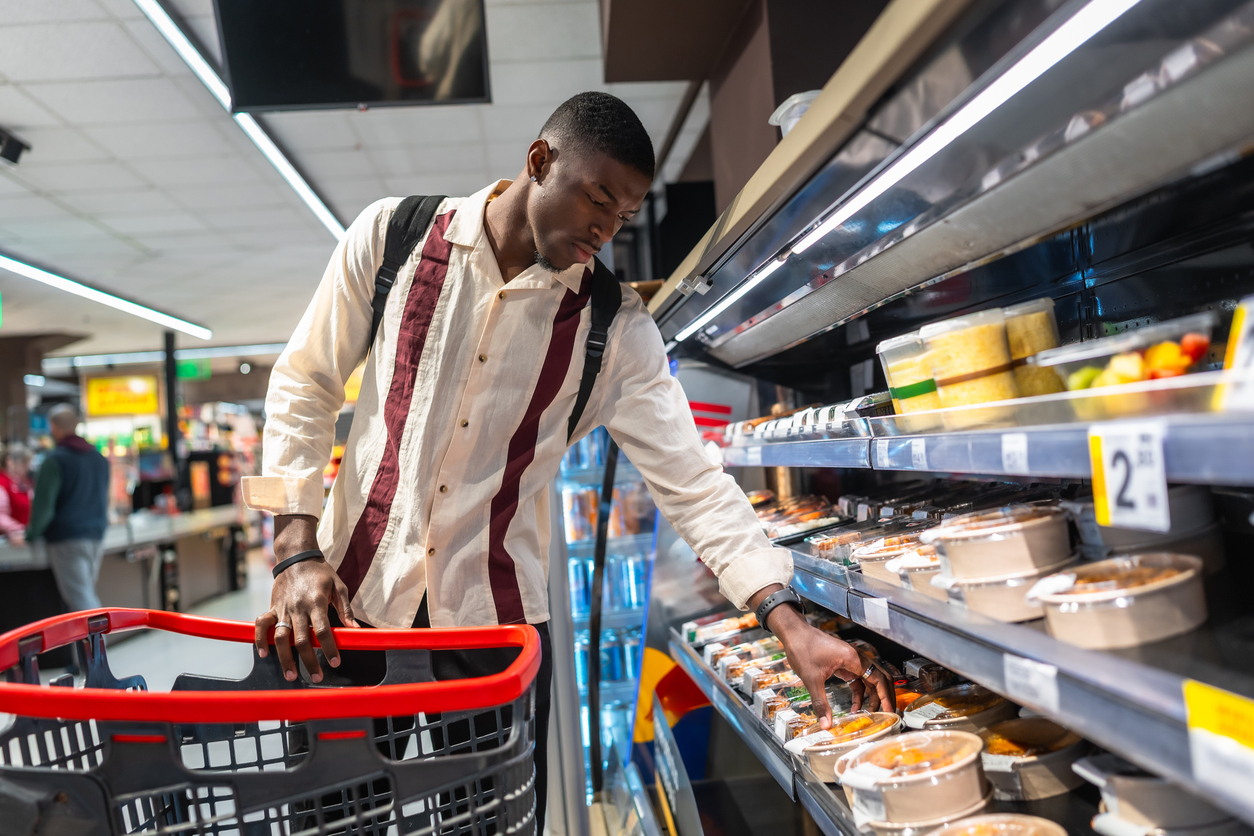
Nigeria’s food vendor industry is a critical part of the economy, serving millions daily through street food businesses, restaurants, and catering services. However, maintaining a consistent and affordable food supply for food vendors in Nigeria remains a significant challenge due to fluctuating prices, logistics constraints, and sourcing inefficiencies.
This article explores how vendors can secure a stable supply chain, reduce costs, and maintain quality while scaling their operations.
Understanding the Food Supply Landscape in Nigeria
The food supply chain in Nigeria is complex and often fragmented. Vendors typically rely on:
- Open markets and local traders
- Middlemen and aggregators
- Direct farm sourcing (less common for small vendors)
While these channels provide access to goods, they often lack consistency in pricing, quality, and availability. Seasonal variations and transportation challenges can further disrupt supply, making it difficult for vendors to plan effectively.
Key Challenges in Food Supply for Food Vendors Nigeria
1. Price Volatility
Food prices in Nigeria can fluctuate significantly due to inflation, fuel costs, and seasonal harvest cycles. Vendors operating on thin margins are particularly vulnerable.
2. Inconsistent Quality
Sourcing from multiple suppliers often leads to variations in quality, which can affect customer satisfaction and brand reputation.
3. Logistics and Transportation Issues
Poor road infrastructure and high fuel costs increase transportation expenses and can lead to delays or spoilage.
4. Limited Bulk Purchasing Power
Small and medium vendors often lack the capital or network to purchase in bulk at competitive rates.
Strategies to Improve Food Supply Efficiency
Build Strong Supplier Relationships
Working consistently with trusted suppliers can help vendors secure better pricing and priority access to goods during shortages.
Leverage Bulk Purchasing
Collaborating with other vendors or working with distribution partners allows access to wholesale pricing and reduces per-unit costs.
Diversify Supply Sources
Relying on a single supplier increases risk. Vendors should maintain multiple sourcing options to ensure continuity.
Invest in Storage Solutions
Proper storage—especially for perishable goods—reduces waste and allows vendors to buy in larger quantities when prices are favorable.
The Role of Structured Supply Chains
A structured supply chain reduces uncertainty and improves operational efficiency. Instead of relying solely on informal markets, vendors can benefit from working with organised distributors who offer:
- Consistent product quality
- Transparent pricing
- Reliable delivery schedules
- Access to imported and locally sourced goods
This approach helps vendors focus more on serving customers rather than managing sourcing challenges.
How Wigmore Trading Supports Food Vendors in Nigeria
For vendors looking to scale or stabilise operations, working with a reliable supply chain partner can make a significant difference.
Wigmore Trading provides structured solutions for food supply for food vendors in Nigeria, including:
- Wholesale sourcing: Access to a wide range of food products, both local and imported
- Bulk purchasing advantages: Competitive pricing through established supplier networks
- Logistics support: Efficient delivery systems that reduce delays and spoilage
- Quality assurance: Consistent standards across all supplied products
- Supply chain management: Helping vendors streamline procurement and inventory planning
By bridging the gap between producers, importers, and vendors, Wigmore Trading helps reduce inefficiencies in the food supply chain.
Improving Profitability Through Better Supply Chains
A reliable food supply chain directly impacts profitability. Vendors who optimise sourcing can:
- Reduce cost fluctuations
- Minimise waste and spoilage
- Maintain consistent menu pricing
- Improve customer satisfaction
Over time, these improvements contribute to business growth and sustainability in a highly competitive market.
Future Trends in Nigeria’s Food Supply Chain
The food supply sector in Nigeria is gradually evolving with:
- Increased use of digital procurement platforms
- Growth in organised wholesale distribution
- Improved logistics infrastructure in urban areas
- Greater demand for traceability and quality assurance
Vendors who adapt to these changes and adopt structured sourcing methods will be better positioned for long-term success.
Conclusion
Securing a reliable food supply for food vendors in Nigeria requires strategic sourcing, strong supplier relationships, and efficient logistics. While traditional market systems remain important, integrating structured supply chain solutions can significantly improve consistency and profitability.
Wigmore Trading can help vendors streamline sourcing, reduce costs, and build a more reliable food supply network. Contact Wigmore Trading today to streamline your sourcing.




Comments are closed.