
Reliable Food Supply for School Kitchens in Nigeria: A Practical Guide

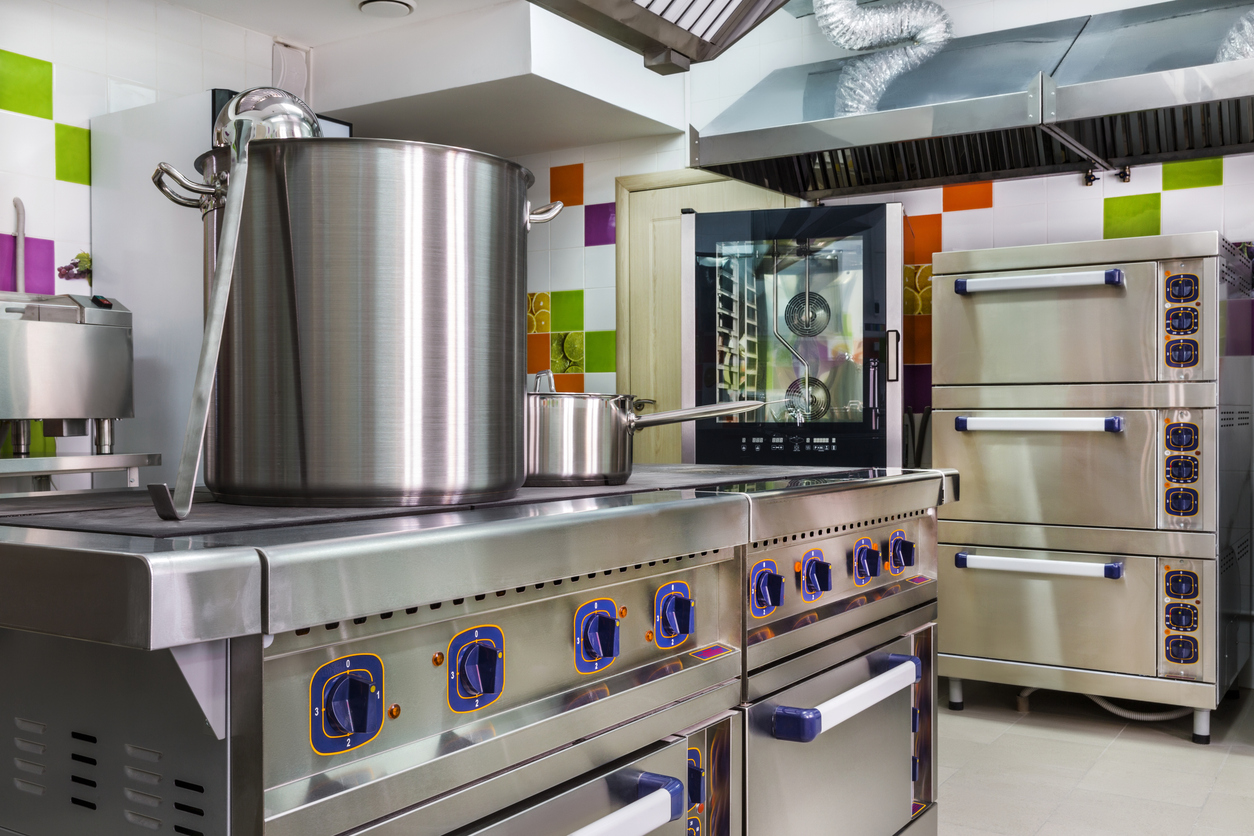
Ensuring a consistent and safe food supply for school kitchens in Nigeria is essential for student health, academic performance, and overall institutional efficiency. Schools—whether public or private—must navigate challenges such as fluctuating food prices, inconsistent supply chains, and food safety concerns. A structured procurement and logistics strategy is critical to maintaining quality while controlling costs.
Understanding the Importance of Food Supply for School Kitchens in Nigeria
School feeding programs play a vital role in improving nutrition and encouraging attendance. However, without a dependable supply chain, schools risk interruptions that can affect meal quality and availability.
A reliable food supply system ensures:
- Consistent availability of staple foods like rice, beans, flour, and cooking oil
- Access to fresh produce such as vegetables, fruits, and proteins
- Compliance with food safety and hygiene standards
- Cost efficiency through bulk purchasing and supplier partnerships
In Nigeria, where supply chains can be fragmented, schools must adopt a more strategic approach to sourcing and distribution.
Key Challenges in School Food Supply Chains
1. Price Volatility and Inflation
Food prices in Nigeria can fluctuate significantly due to factors like fuel costs, exchange rates, and seasonal availability. This makes budgeting difficult for school administrators.
2. Inconsistent Quality of Supplies
Sourcing from multiple informal vendors often leads to variability in product quality, which can affect nutrition and safety.
3. Logistics and Distribution Issues
Poor road infrastructure, delays in delivery, and lack of cold chain systems can disrupt supply, especially for perishable goods.
4. Food Safety and Compliance
Ensuring that all food items meet regulatory standards is critical, yet many suppliers lack proper certifications or traceability.
Building a Reliable Food Supply System
Centralised Procurement Strategy
Schools can reduce inefficiencies by consolidating purchasing through a centralised system. This allows for:
- Better negotiation with suppliers
- Standardised quality control
- Reduced administrative burden
Working with a structured supplier or distributor ensures consistency and accountability.
Partnering with Trusted Suppliers
Establishing long-term relationships with reliable suppliers is key. Suppliers should be able to provide:
- Verified sourcing and documentation
- Consistent product quality
- Transparent pricing
- Timely deliveries
Wigmore Trading, for example, supports institutions by sourcing high-quality food products both locally and internationally, ensuring schools receive dependable supplies.
Leveraging Bulk Purchasing
Bulk buying helps schools manage costs more effectively, especially for non-perishable items. It also reduces the frequency of procurement cycles, saving time and administrative resources.
Implementing Inventory Management Systems
Proper inventory tracking prevents shortages and overstocking. Schools should monitor:
- Consumption rates
- Shelf life of products
- Reorder levels
This ensures a steady flow of food supplies without waste.
Ensuring Food Safety and Quality
Food safety should be a top priority in any school kitchen. Schools must ensure that all food items are:
- Properly stored and transported
- Sourced from certified suppliers
- Handled according to hygiene standards
Working with a professional supply partner helps maintain compliance with Nigerian food safety regulations. Wigmore Trading, for instance, assists with quality assurance and regulatory compliance, reducing risks associated with unsafe food products.
The Role of Logistics in Food Supply for School Kitchens in Nigeria
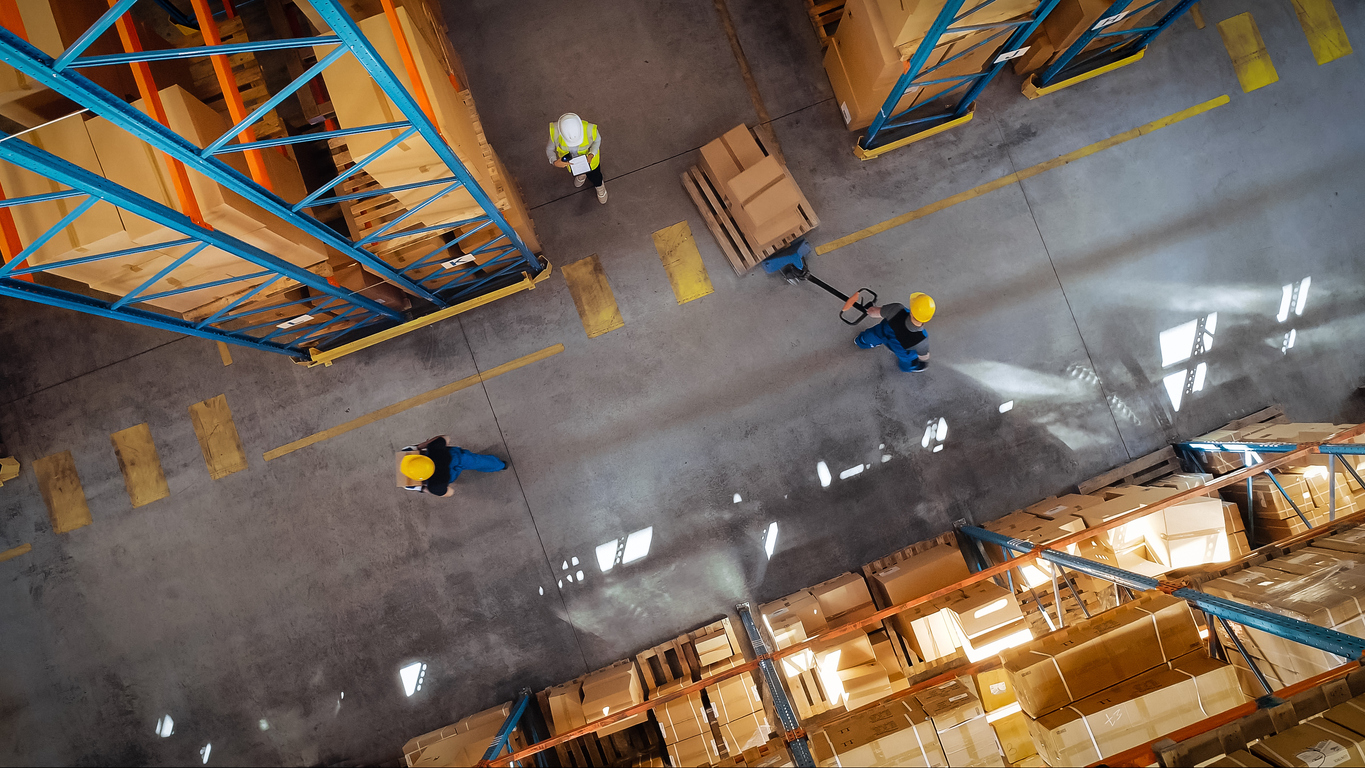
Efficient logistics is essential for maintaining a consistent supply chain. This includes:
- Reliable transportation networks
- Timely delivery schedules
- Cold chain solutions for perishables
A logistics partner can streamline the movement of goods from suppliers to school kitchens, ensuring minimal disruption. Wigmore Trading offers integrated logistics support, helping schools manage deliveries efficiently across different regions in Nigeria.
Supporting Local and International Sourcing
A balanced sourcing strategy can improve resilience in the supply chain. Schools should consider:
- Local sourcing for fresh produce to reduce costs and support local farmers
- International sourcing for staple goods when local supply is inconsistent
Wigmore Trading facilitates both local procurement and importation, helping schools maintain a stable and diversified food supply.
Cost Control and Budget Optimisation
Managing food costs is a major concern for school administrators. Strategies include:
- Negotiating long-term contracts with suppliers
- Monitoring market trends
- Reducing waste through better inventory management
By working with an experienced distributor, schools can gain better visibility into pricing and reduce unexpected expenses.
Conclusion
A dependable food supply for school kitchens in Nigeria requires more than just purchasing food—it involves strategic sourcing, efficient logistics, quality assurance, and cost management. Schools that adopt structured procurement systems and partner with reliable suppliers are better positioned to provide consistent, nutritious meals to students.
Wigmore Trading can support schools with sourcing, distribution, logistics, and compliance, helping to streamline the entire supply chain. Contact Wigmore Trading today to improve your school’s food supply system.


Comments are closed.