
Understanding Food Supply Service in Nigeria: Key Trends, Challenges, and Opportunities

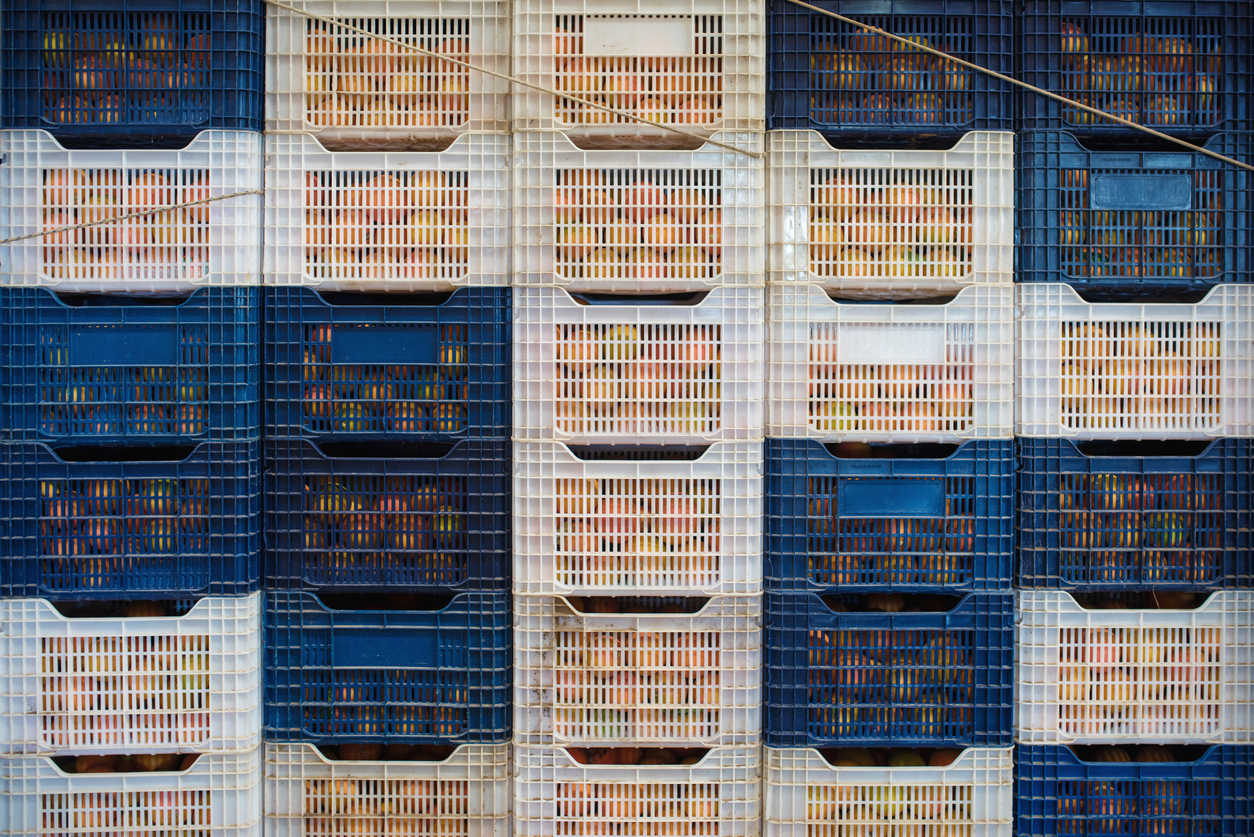
Nigeria’s food supply chain plays a critical role in supporting its growing population, expanding urban centres, and dynamic retail sector. From agricultural production to wholesale distribution and final delivery, a reliable food supply service in Nigeria is essential for businesses in FMCG, hospitality, retail, and manufacturing.
This article explores how food supply services operate in Nigeria, the challenges within the sector, and how businesses can optimise sourcing and distribution for efficiency and growth.
What is a Food Supply Service in Nigeria?
A food supply service in Nigeria refers to the structured process of sourcing, procuring, storing, and distributing food products across the country. This includes:
- Bulk procurement of raw and processed food items
- Importation of food products where necessary
- Warehousing and inventory management
- Distribution to wholesalers, retailers, and end-users
These services are essential for supermarkets, restaurants, food processors, and institutional buyers that require consistent and high-quality supply.
Key Components of Nigeria’s Food Supply Chain
1. Local Sourcing and Agriculture
Nigeria has a strong agricultural base, producing staples such as rice, maize, cassava, and vegetables. However, sourcing directly from farms often involves challenges like inconsistent quality, seasonal fluctuations, and fragmented supply networks.
Reliable food supply providers help bridge this gap by aggregating produce, ensuring quality control, and maintaining steady supply levels.
2. Importation of Food Products
Despite local production, Nigeria still relies on imports for certain food items such as wheat, dairy products, and processed goods. Importing food requires compliance with regulatory bodies like NAFDAC and adherence to customs procedures.
Working with an experienced partner like Wigmore Trading ensures smooth import processes, proper documentation, and reduced delays at ports.
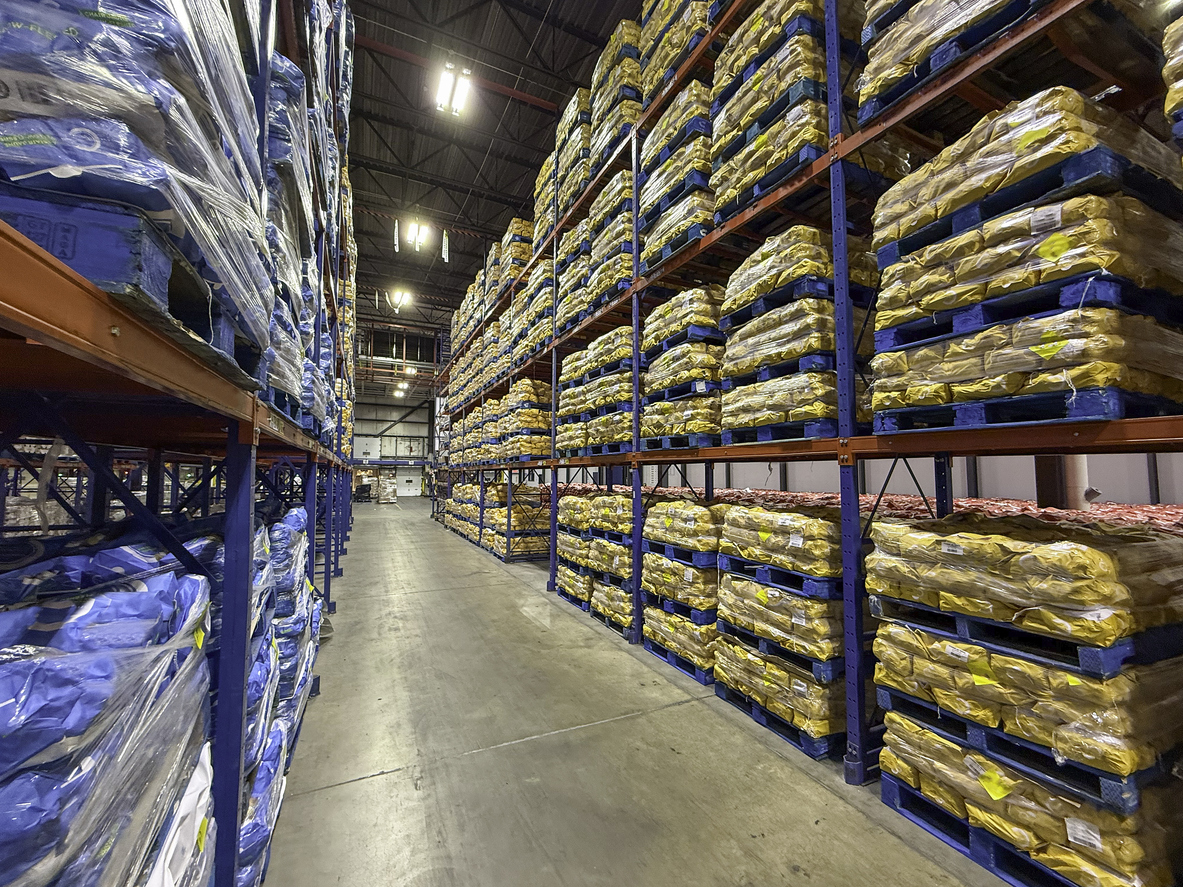
3. Warehousing and Storage
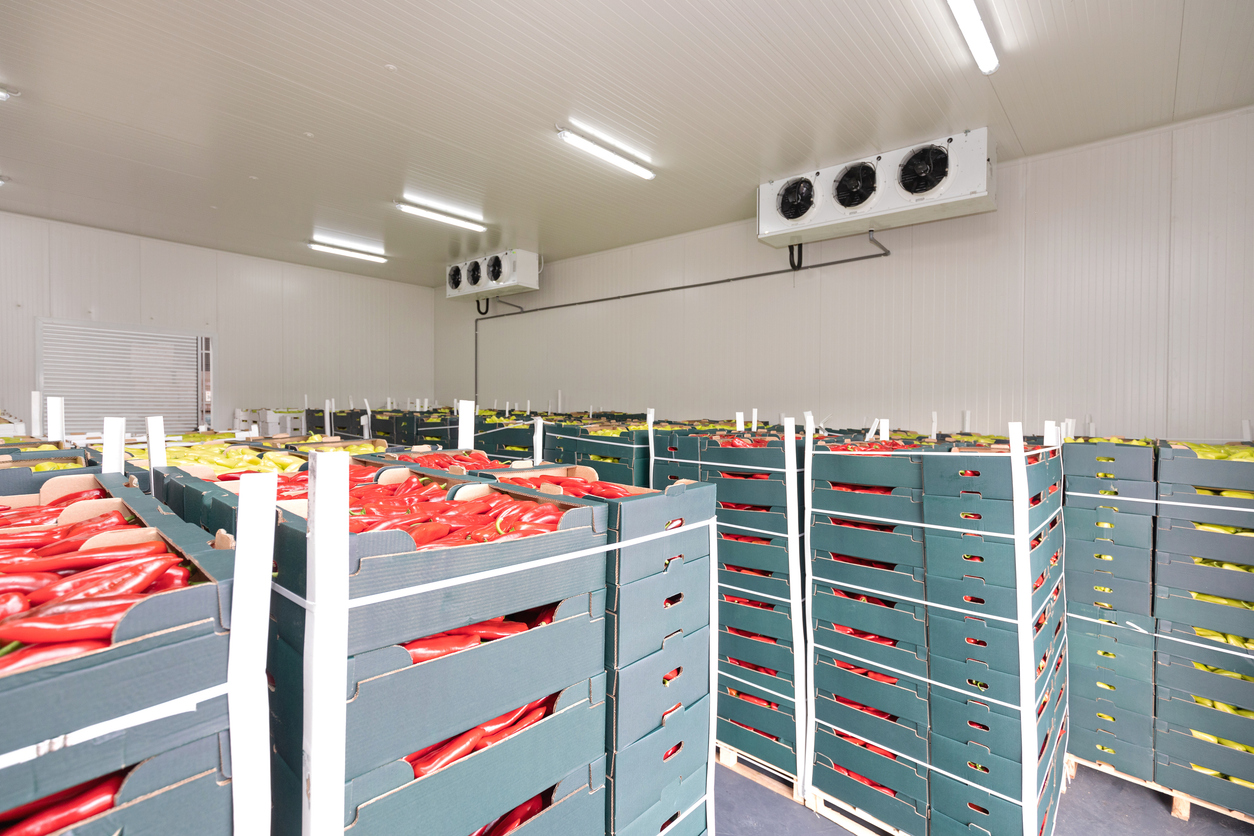
Effective storage is crucial to maintaining food quality, especially for perishable goods. Modern food supply services incorporate:
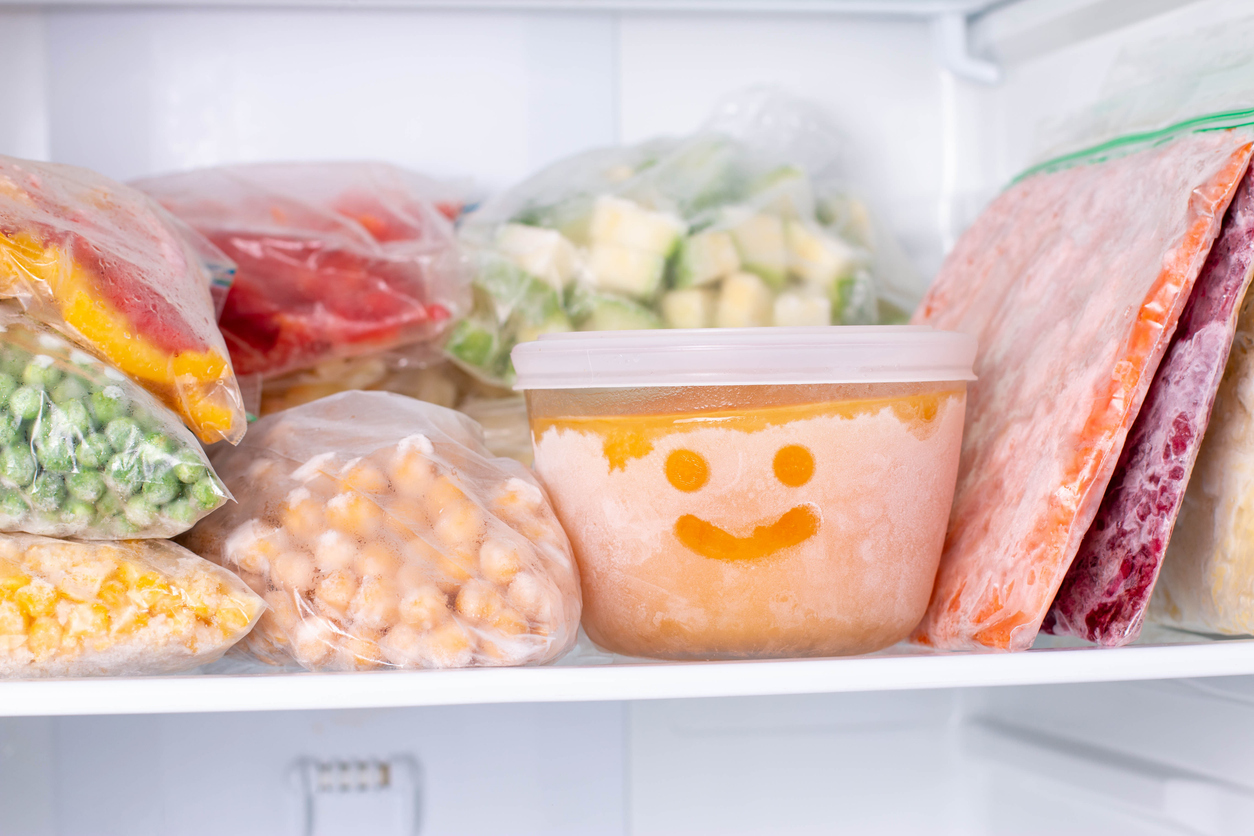
- Temperature-controlled storage
- Inventory tracking systems
- Efficient stock rotation
Poor storage infrastructure remains a challenge in Nigeria, leading to post-harvest losses. Professional supply partners mitigate this risk through structured warehousing solutions.
4. Distribution and Logistics
Distribution is one of the most complex aspects of the food supply service in Nigeria. Factors such as poor road infrastructure, fuel costs, and traffic congestion can disrupt delivery timelines.
Efficient logistics providers use optimised routes, reliable transport fleets, and regional distribution hubs to ensure timely deliveries across major cities and rural areas.
Challenges Facing Food Supply Services in Nigeria
Inconsistent Supply and Price Volatility
Seasonal production and fluctuating exchange rates often lead to unstable pricing and supply shortages. Businesses without strong supplier networks may struggle to maintain consistent stock levels.
Regulatory and Compliance Issues
Importers and distributors must comply with multiple regulatory requirements. Failure to meet these standards can result in delays, fines, or rejected shipments.
Infrastructure Limitations
Limited cold chain infrastructure and transportation inefficiencies increase the risk of spoilage, particularly for perishable goods.
Fragmented Supply Chains
Many suppliers operate informally, making it difficult to ensure quality, traceability, and reliability across the supply chain.
Opportunities in Nigeria’s Food Supply Sector
Despite these challenges, the sector presents significant opportunities:
- Growing demand from urban populations
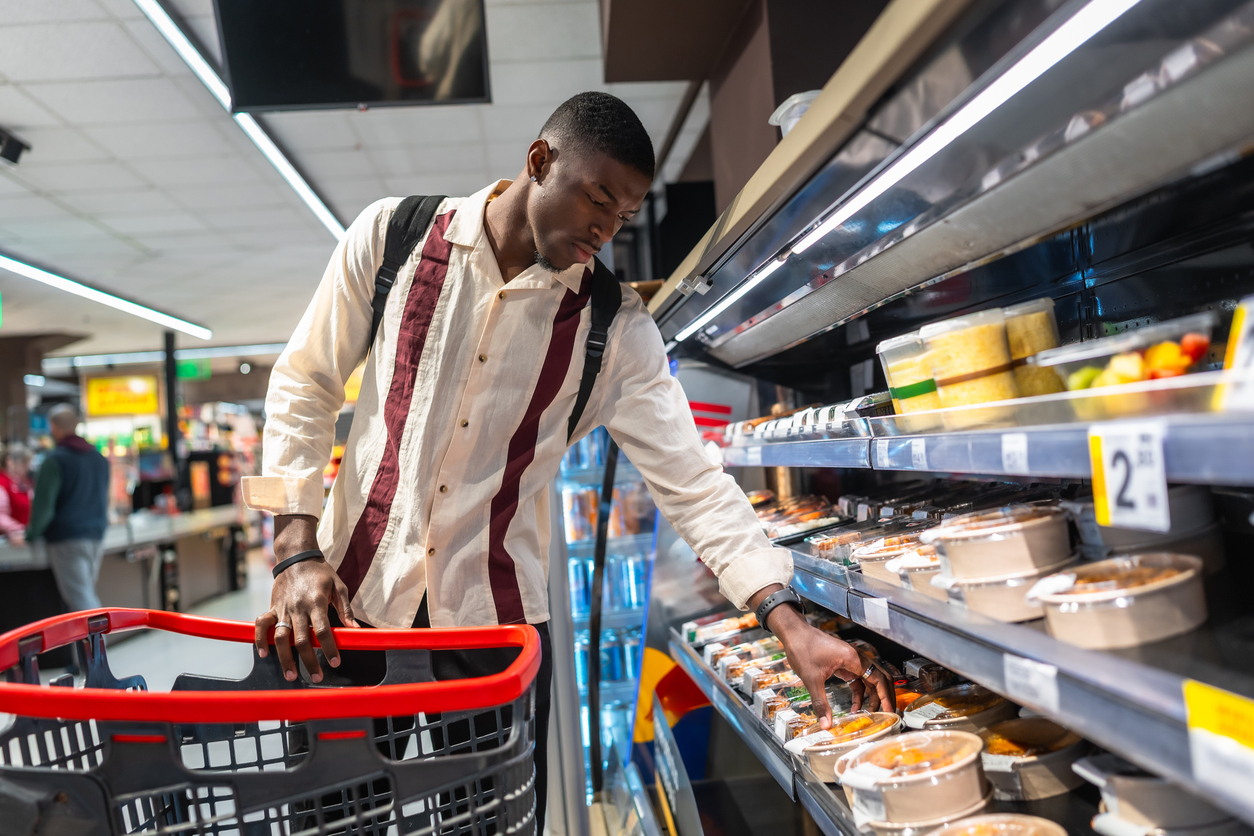
- Expansion of modern retail and supermarkets
- Increased investment in food processing and packaging
- Rising demand for imported and premium food products
Businesses that establish efficient supply chains can gain a strong competitive advantage in the market.
How to Optimise Food Supply Service in Nigeria
Build Strong Supplier Networks
Partnering with reliable suppliers ensures consistent quality and availability. Aggregators and trading companies can simplify sourcing by managing multiple supplier relationships.
Invest in Logistics and Storage
Efficient warehousing and transportation systems reduce losses and improve delivery timelines. Cold chain solutions are especially important for perishable goods.
Ensure Regulatory Compliance
Working with experienced import and compliance partners helps businesses avoid delays and ensures all products meet Nigerian standards.
Leverage Experienced Supply Chain Partners
Companies like Wigmore Trading provide end-to-end support, including:
- Sourcing local and international food products
- Managing import documentation and customs clearance
- Providing warehousing and distribution services
- Ensuring compliance with Nigerian regulations
This integrated approach allows businesses to focus on growth while maintaining a reliable supply chain.
The Role of Wigmore Trading in Food Supply Services
Navigating the complexities of a food supply service in Nigeria requires expertise in sourcing, logistics, and regulatory compliance. Wigmore Trading supports businesses by offering:
- Access to global and local food suppliers
- Efficient import and export services
- Reliable distribution networks across Nigeria
- Supply chain optimisation tailored to business needs
By streamlining procurement and logistics, Wigmore Trading helps reduce operational risks and improve efficiency.
Conclusion
A well-structured food supply service in Nigeria is essential for businesses seeking consistent quality, reliable delivery, and cost efficiency. While challenges such as infrastructure limitations and regulatory requirements persist, strategic partnerships and improved logistics can significantly enhance supply chain performance.
Wigmore Trading can help. Contact Wigmore Trading today to streamline your sourcing.

Comments are closed.