
Food Supply for Supermarkets in Nigeria: Key Challenges and Reliable Solutions


Nigeria’s retail sector is expanding rapidly, driven by urbanisation, population growth, and rising consumer demand for packaged and fresh goods. Supermarkets across the country are under increasing pressure to maintain consistent inventory, ensure product quality, and manage competitive pricing. Establishing a reliable food supply for supermarkets in Nigeria is therefore essential for sustainable retail operations.
This article explores the structure of supermarket food supply chains in Nigeria, the common challenges faced, and practical strategies for improving efficiency and reliability.
Understanding Food Supply for Supermarkets in Nigeria
The food supply chain for supermarkets in Nigeria typically involves multiple stakeholders, including local farmers, importers, wholesalers, distributors, and logistics providers. Products range from fresh produce and frozen foods to packaged FMCG goods and imported staples.
Supermarkets must balance sourcing locally—where possible—with importing products that are not readily available or consistent in quality within the domestic market. This hybrid sourcing model makes supply chain coordination more complex but necessary.
Key Challenges in Food Supply Chains
1. Inconsistent Local Production
Agricultural production in Nigeria can be unpredictable due to factors such as seasonal fluctuations, limited storage infrastructure, and transportation issues. This often leads to inconsistent supply of fresh produce and price volatility.
2. Logistics and Infrastructure Constraints
Poor road networks, congestion in urban areas, and limited cold chain infrastructure can lead to delays, spoilage, and increased operational costs. Maintaining product freshness, especially for perishable goods, remains a major concern.
3. Import Dependency and Regulatory Barriers
Many supermarkets rely on imported food products to meet consumer demand. However, importation comes with challenges such as fluctuating exchange rates, customs delays, and compliance with regulatory requirements from agencies like NAFDAC and SON.
4. Inventory Management Issues
Without efficient supply chain systems, supermarkets risk overstocking or stockouts. Both scenarios negatively impact profitability and customer satisfaction.
Strategies to Improve Food Supply Efficiency
Strengthening Supplier Networks
Building relationships with reliable local farmers, cooperatives, and manufacturers can help improve consistency in supply. Long-term contracts and partnerships can also stabilise pricing and ensure quality standards.
Leveraging Import Expertise
For products that cannot be sourced locally, working with experienced import partners is crucial. This ensures compliance with regulations, timely delivery, and cost optimisation. A structured import strategy reduces disruptions and supports product availability.
Investing in Cold Chain Logistics
Cold storage and temperature-controlled transportation are essential for maintaining the quality of perishable goods. Supermarkets that invest in or partner with logistics providers offering cold chain solutions can significantly reduce waste and improve shelf life.
Implementing Inventory Management Systems
Digital inventory systems enable real-time tracking of stock levels, demand forecasting, and automated reordering. This improves efficiency and reduces the risk of stock imbalances.
The Role of Distribution Partners
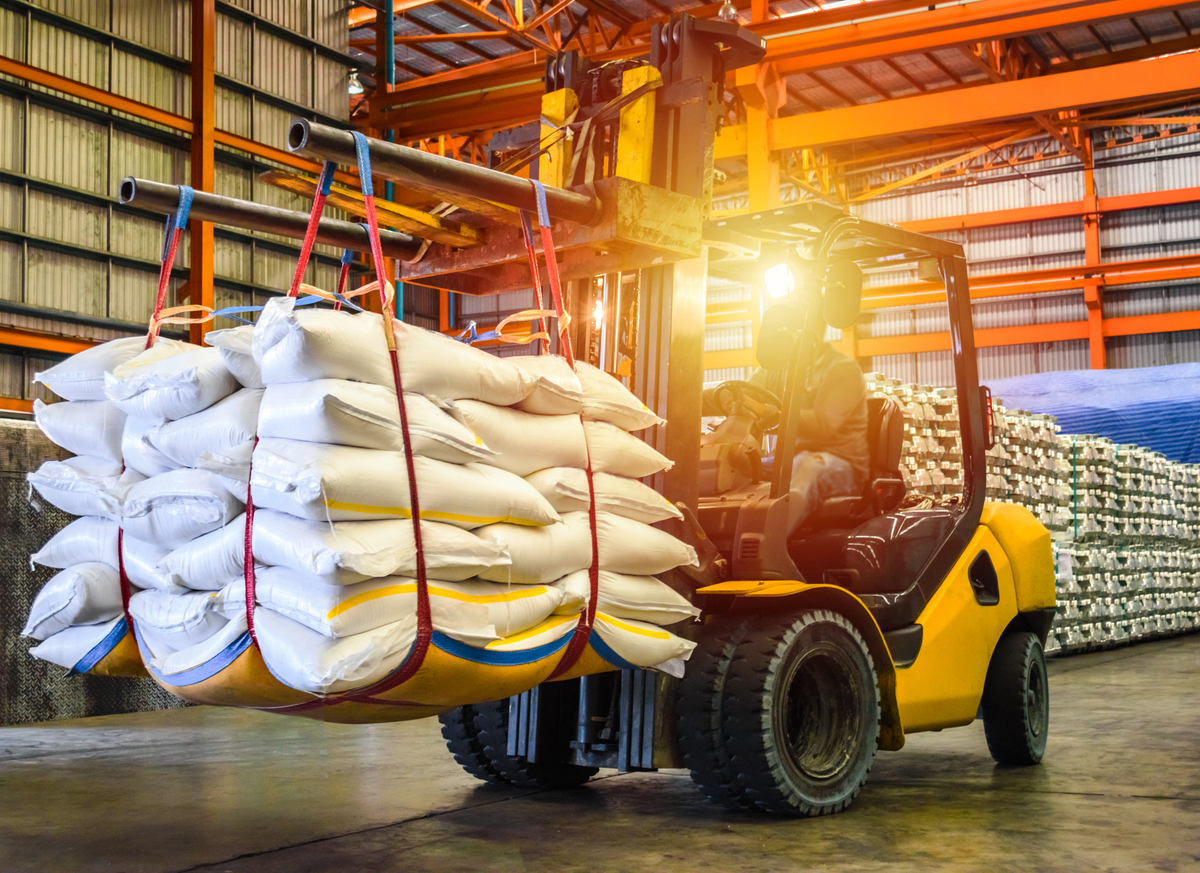
A reliable distribution partner plays a central role in ensuring efficient food supply for supermarkets in Nigeria. From sourcing and procurement to warehousing and last-mile delivery, professional distributors help streamline operations.
Wigmore Trading, for example, supports supermarkets by offering end-to-end supply chain solutions. This includes sourcing high-quality food products both locally and internationally, managing import processes, and providing dependable distribution across Nigeria. By integrating logistics and compliance services, businesses can reduce operational complexity and focus on retail performance.
Ensuring Compliance and Quality Standards
Food safety and regulatory compliance are critical in the Nigerian market. Supermarkets must ensure that all products meet local standards and are properly certified.
Working with experienced supply chain partners helps navigate regulatory requirements efficiently. This includes handling documentation, product registration, and quality assurance processes.
Future Outlook for Supermarket Food Supply in Nigeria
The demand for modern retail formats continues to grow, particularly in major cities like Lagos, Abuja, and Port Harcourt. As competition increases, supermarkets must prioritise supply chain efficiency to remain competitive.
Emerging trends such as e-commerce grocery platforms, improved logistics infrastructure, and increased investment in agriculture are expected to reshape the food supply landscape. Businesses that adopt strategic sourcing and distribution models will be better positioned for long-term success.
Conclusion
Establishing a reliable food supply for supermarkets in Nigeria requires careful coordination of sourcing, logistics, compliance, and inventory management. While challenges such as infrastructure limitations and regulatory complexities persist, practical solutions—such as strengthening supplier networks and partnering with experienced distributors—can significantly improve efficiency.
Wigmore Trading can help. With expertise in sourcing, importation, and distribution, businesses can streamline their supply chains and ensure consistent product availability. Contact Wigmore Trading today to optimise your supermarket food supply operations.



Comments are closed.