
France Nuclear Fuel Cycle Diversification: What It Means for Supply Security

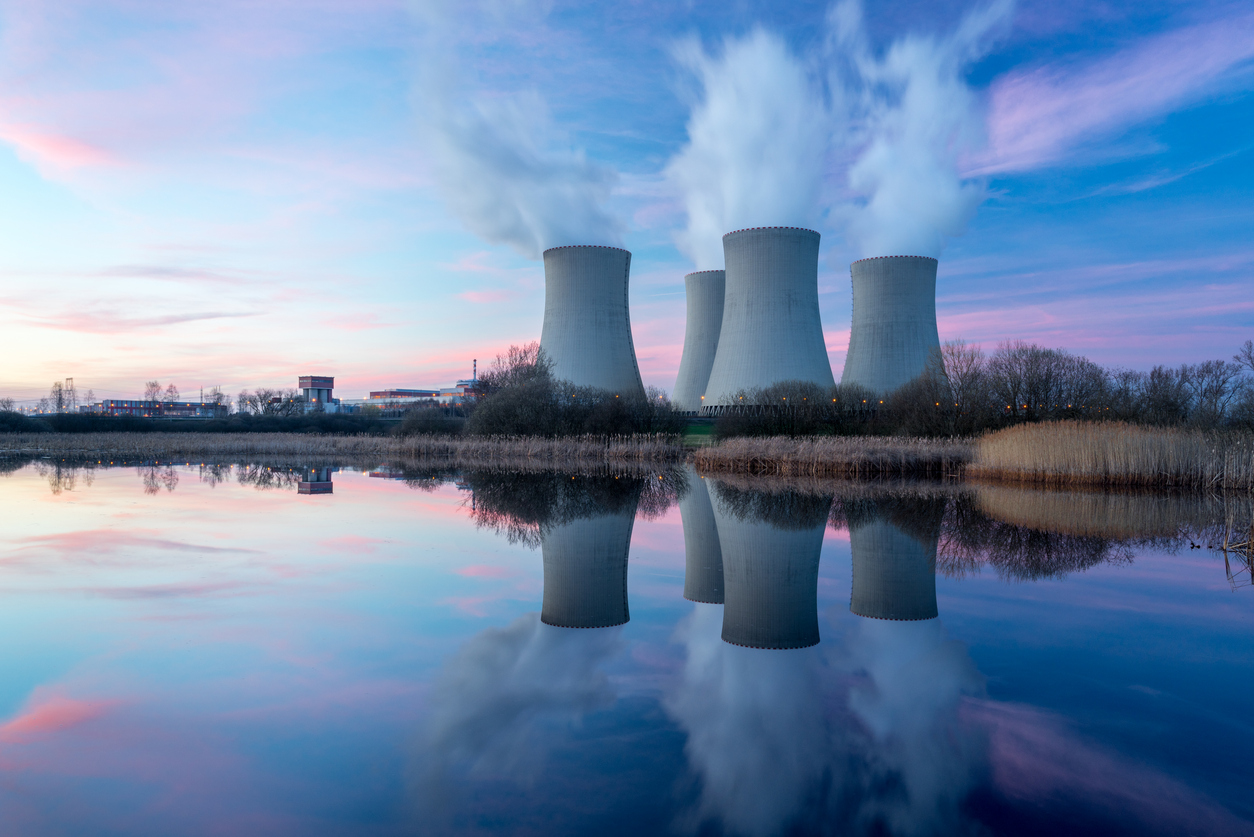
France runs one of the world’s most integrated nuclear programs, supplying a large share of its electricity from reactors and supporting a full industrial chain—from uranium procurement to fuel fabrication and recycling. That integration is a strength, but it does not eliminate exposure to upstream supply shocks, geopolitical risk, or bottlenecks in conversion and enrichment. For utilities, industrial buyers, and partners across Europe and Africa, France nuclear fuel cycle diversification is increasingly about reducing single-point dependencies while keeping safety, quality, and compliance intact.
How the French nuclear fuel cycle is structured
A simplified view of the French fuel cycle includes:
-
Uranium sourcing and purchasing (from multiple producing countries and contracts)
-
Conversion and enrichment (turning uranium into usable enriched material)
-
Fuel fabrication (making assemblies for reactors)
-
Use in reactors, then spent fuel management
-
Reprocessing and recycling (recovering reusable materials and producing recycled fuels)
France is distinctive for its reprocessing-and-recycling model, centered on the La Hague plant and MOX fuel manufacturing at Melox, operated by Orano. This approach recovers reusable materials from used fuel and supports recycling into new fuel, including MOX.
Why diversification has become a priority
Diversification pressures have intensified for three practical reasons:
1) Geopolitical risk in uranium supply chains
Uranium mining is globally distributed, but commercial supply can still be disrupted by political change, sanctions, or contract disputes. Niger’s actions affecting Orano’s long-standing operations illustrate the kind of risk that can force rapid procurement adjustments.
2) Conversion and enrichment capacity constraints
Even when uranium is available, it must be converted and enriched before it becomes reactor fuel. Capacity expansion and supplier concentration—especially where any part of the chain depends on a small number of providers—create lead-time risk. (This is also a major theme in EU “security of supply” workstreams.)
3) Technology and licensing realities
Fuel designs, reactor requirements, and national licensing standards limit how quickly utilities can switch suppliers. Diversification is not just “buy elsewhere”; it often requires qualification programs, documentation, and strict QA/QC.
France nuclear fuel cycle diversification in practice
Diversification measures typically fall into four categories.
Supplier diversification upstream (uranium and services)
Utilities and fuel buyers aim to avoid over-reliance on any single country or counterparty by balancing long-term contracts, spot purchases, and alternative origins—while keeping traceability and ESG requirements consistent.
Resilience in conversion/enrichment and fabricated fuel
Where possible, buyers broaden access to qualified conversion/enrichment and fabrication capacity. At the EU level, initiatives under Euratom are explicitly focused on strengthening supply options and reducing vulnerabilities, including support for non-Russian fuel solutions for certain reactor types.
Recycling and multi-pass fuel strategies
France’s recycling model—reprocessing used fuel at La Hague and using recovered plutonium in MOX fuel—helps reduce the volume of fresh uranium required over time and can be scaled within technical and policy limits.
Inventory strategy and logistics continuity
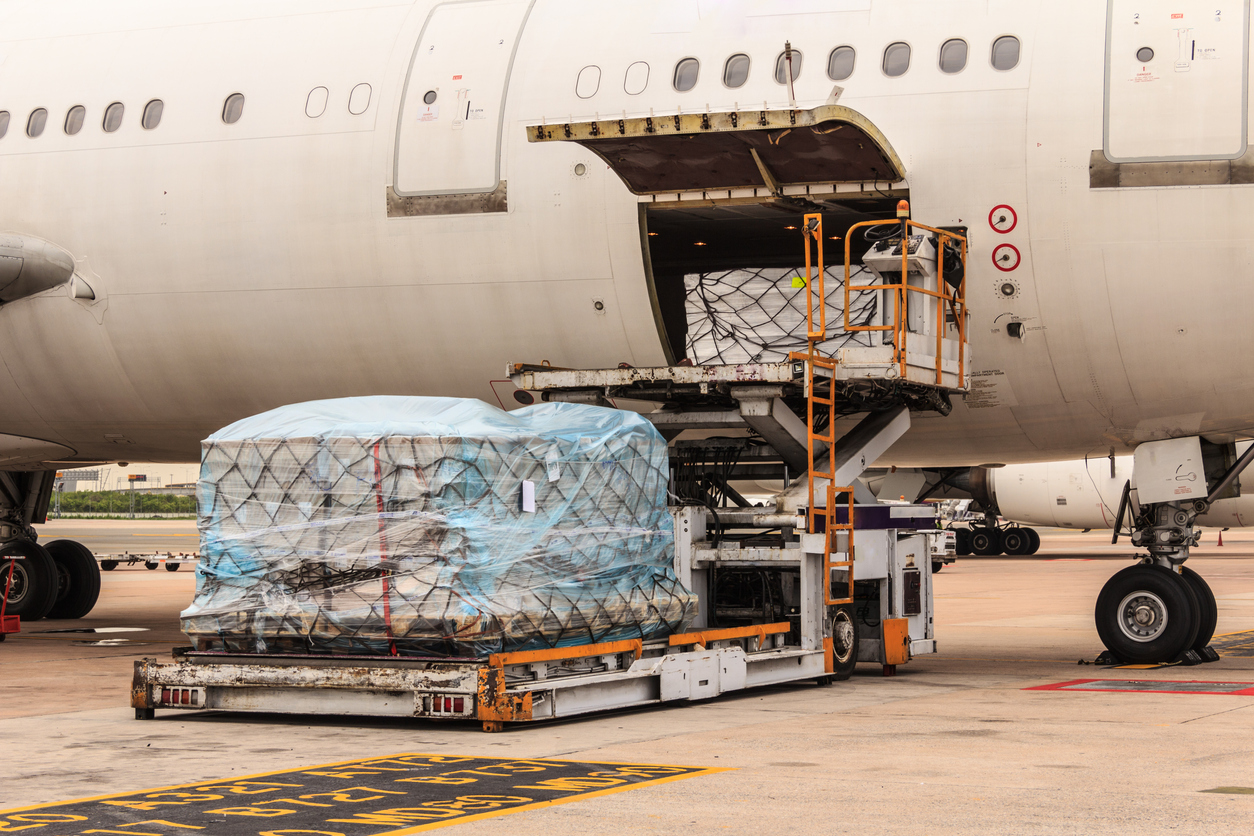
Building buffer stocks and protecting critical transport lanes matters because nuclear materials move under specialized packaging, security, and regulatory controls. The goal is continuity without compromising safety or compliance.
What this means for Africa-facing trade and industrial supply chains
Even when your business is not buying nuclear fuel itself, the diversification trend affects adjacent sectors:
-
Mining and industrial inputs (chemicals, reagents, spares, PPE, instrumentation) can see demand shifts as uranium projects ramp up in different countries.
-
Port, freight, and warehousing capacity becomes more valuable when supply is rerouted.
-
Compliance expectations rise as counterparties tighten documentation, end-use checks, and audit trails.
This is where disciplined procurement and logistics execution matter. Wigmore Trading can support projects by sourcing and supplying non-nuclear industrial goods and consumables used across mining, power, and heavy industry—while coordinating shipping, documentation, and supplier qualification to reduce delays. For regulated categories, Wigmore Trading can help clients navigate practical requirements such as correct classification, export/import documentation, and compliant routing—working only within applicable laws and controls.
Practical steps to reduce supply risk without disrupting operations
-
Map dependencies across the full chain (materials, services, transport, documentation).
-
Dual-source critical items where qualification allows, and plan changeovers early.
-
Strengthen QA/QC and traceability to keep alternative suppliers “license-ready.”
-
Create logistics playbooks for rerouting, customs contingencies, and lead-time buffers.
-
Align compliance checks (end-use, export controls, sanctions screening) with procurement, not after purchase orders are placed.
Conclusion
France’s nuclear industry is built for integration and recycling, but supply security increasingly depends on smart diversification—across uranium sourcing, conversion/enrichment access, recycled fuel strategy, and resilient logistics. For Africa-linked supply chains, the knock-on effects show up in mining inputs, industrial distribution, and compliance-heavy shipping.
Wigmore Trading can help. Contact Wigmore Trading today to streamline your sourcing.



Comments are closed.