
Fresh Food Suppliers in Nigeria: A Complete Guide for Businesses

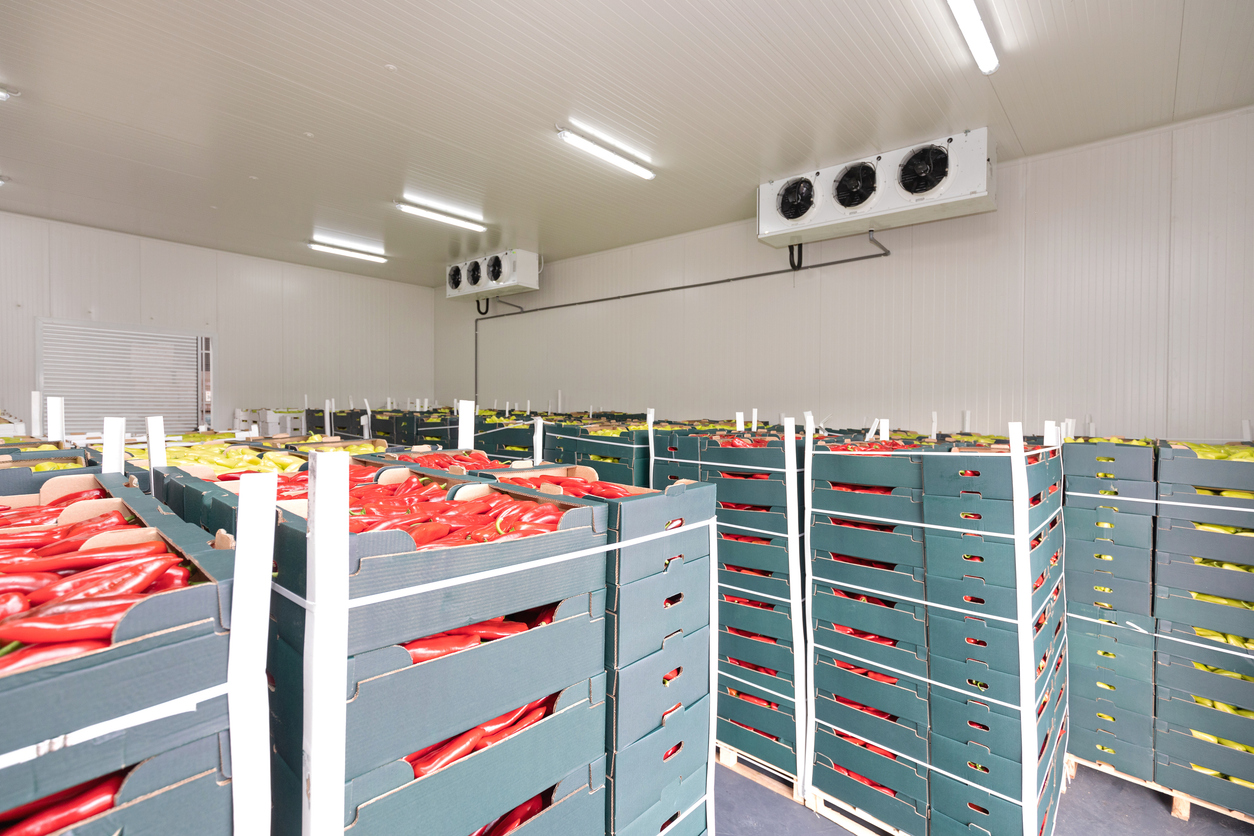
Nigeria’s fresh food supply chain plays a critical role in supporting retailers, restaurants, manufacturers, and exporters. With a growing population and increasing demand for high-quality produce, sourcing from reliable fresh food suppliers in Nigeria has become essential for businesses aiming to maintain consistency, reduce waste, and meet customer expectations.
This guide explores how the sector works, key challenges, and how businesses can build efficient sourcing strategies.
Understanding the Fresh Food Supply Chain in Nigeria
Fresh food supply in Nigeria typically involves multiple stages:
- Farm production (vegetables, fruits, poultry, seafood)
- Aggregation and sorting
- Transportation and cold chain management
- Distribution to markets, wholesalers, and retailers
Due to the fragmented nature of agriculture in Nigeria, many suppliers operate at different scales—from smallholder farmers to large commercial distributors.
For businesses, working with structured suppliers or intermediaries helps ensure:
- Consistent quality
- Reliable delivery timelines
- Compliance with food safety standards
Key Categories of Fresh Food Suppliers in Nigeria
1. Farm-Based Suppliers
These include cooperatives and commercial farms supplying:
- Fruits (pineapple, banana, citrus)
- Vegetables (tomatoes, peppers, leafy greens)
- Livestock products
They often offer competitive pricing but may require aggregation support.
2. Wholesale Market Distributors
Major markets such as Mile 12 (Lagos) and Oyingbo serve as hubs for bulk fresh produce. These suppliers:
- Provide large volumes
- Operate on flexible pricing
- May lack standardised quality control
3. Structured Supply Chain Companies
These suppliers focus on:
- Quality assurance
- Packaging and grading
- Cold storage and logistics
They are increasingly preferred by supermarkets, hotels, and FMCG companies.
4. Importers of Fresh Produce
Some fresh foods (e.g., apples, grapes, frozen poultry) are imported to meet demand gaps. These suppliers handle:
- International sourcing
- Customs clearance
- Compliance with Nigerian regulations
Wigmore Trading supports businesses in sourcing both locally and internationally, ensuring products meet required standards and arrive efficiently.
Challenges Facing Fresh Food Suppliers in Nigeria
Inconsistent Supply
Seasonality and reliance on rain-fed agriculture can lead to shortages or price volatility.
Solution: Businesses can diversify sourcing regions and work with partners who manage supplier networks.
Poor Cold Chain Infrastructure
Lack of refrigerated storage and transport leads to spoilage and losses.
Solution: Partner with suppliers offering cold chain logistics or integrated distribution services.
Logistics and Transportation Issues
Road conditions and long transit times affect freshness and delivery reliability.
Solution: Centralised warehousing and efficient route planning can reduce delays.
Quality and Standardisation Gaps
Inconsistent grading and packaging can affect retail and export readiness.
Solution: Work with suppliers that implement quality control processes and certifications.
How to Choose Reliable Fresh Food Suppliers in Nigeria
When selecting suppliers, businesses should evaluate:
- Supply consistency: Can they meet volume requirements regularly?
- Quality standards: Are products graded and handled properly?
- Logistics capability: Do they offer delivery and cold storage?
- Compliance: Are they aligned with food safety and import/export regulations?
- Traceability: Can products be tracked back to source?
Wigmore Trading helps businesses navigate these factors by connecting them with vetted suppliers and managing sourcing, logistics, and compliance processes.
The Role of Technology in Fresh Food Distribution
Digital platforms and supply chain technologies are improving efficiency by:
- Enabling real-time inventory tracking
- Connecting farmers directly with buyers
- Improving demand forecasting
- Enhancing transparency in pricing
Businesses that adopt tech-enabled sourcing strategies are better positioned to reduce waste and optimise procurement.
Opportunities in Nigeria’s Fresh Food Market
The sector offers strong growth potential due to:
- Rising urban demand for fresh and healthy foods
- Expansion of supermarkets and quick-service restaurants
- Export opportunities for Nigerian produce
- Increasing investment in cold chain infrastructure
Companies that establish reliable sourcing partnerships can gain a competitive advantage in both local and international markets.
Conclusion
Working with dependable fresh food suppliers in Nigeria is essential for businesses seeking consistent quality, efficient logistics, and sustainable growth. While the sector presents challenges such as infrastructure gaps and supply variability, these can be managed through strategic sourcing and strong supply chain partnerships.
Wigmore Trading can support businesses by providing access to trusted suppliers, handling logistics, and ensuring compliance across the supply chain.
Contact Wigmore Trading today to streamline your sourcing.



Comments are closed.