
Fresh Food Supply Chain in Nigeria: Challenges, Opportunities, and Solutions


Nigeria’s agricultural sector plays a vital role in feeding over 200 million people, yet inefficiencies in the fresh food supply chain in Nigeria continue to result in significant post-harvest losses, price volatility, and inconsistent quality. Improving this supply chain is essential not only for food security but also for economic growth, trade expansion, and the development of modern retail systems.
This article explores how the fresh food supply chain operates, the challenges it faces, and practical solutions for businesses and stakeholders.
Understanding the Fresh Food Supply Chain in Nigeria
The fresh food supply chain in Nigeria involves multiple stages, including:
- Production (farmers and agricultural cooperatives)
- Aggregation (middlemen, collection centres)
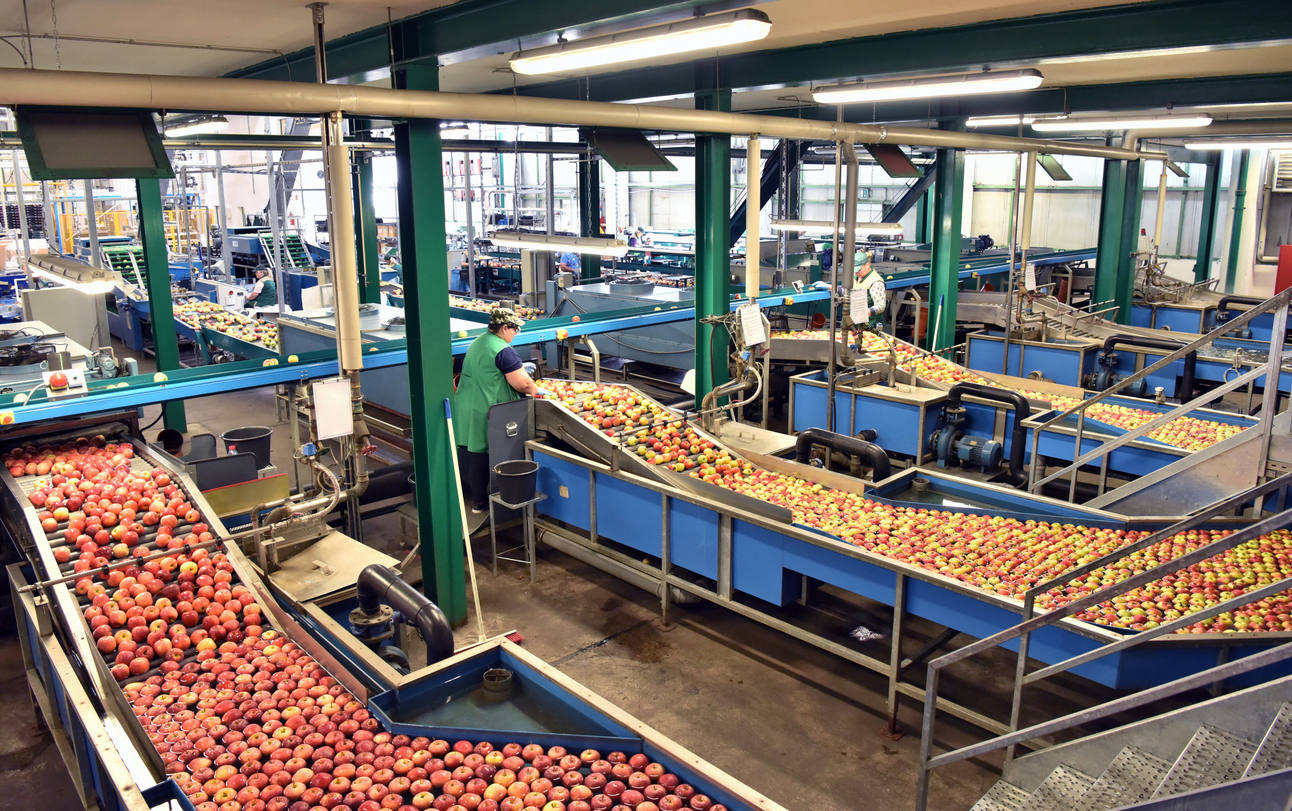
- Transportation and logistics
- Storage and preservation
- Distribution to wholesalers, retailers, and end consumers
Fresh produce such as fruits, vegetables, dairy, and meat is highly perishable. This makes efficiency across each stage critical to maintaining quality and reducing waste.
Key Challenges in the Fresh Food Supply Chain in Nigeria
1. Poor Transportation Infrastructure
Many rural farming areas lack reliable road networks, making it difficult to move fresh produce quickly to urban markets. Delays during transit often lead to spoilage.
2. Limited Cold Chain Facilities
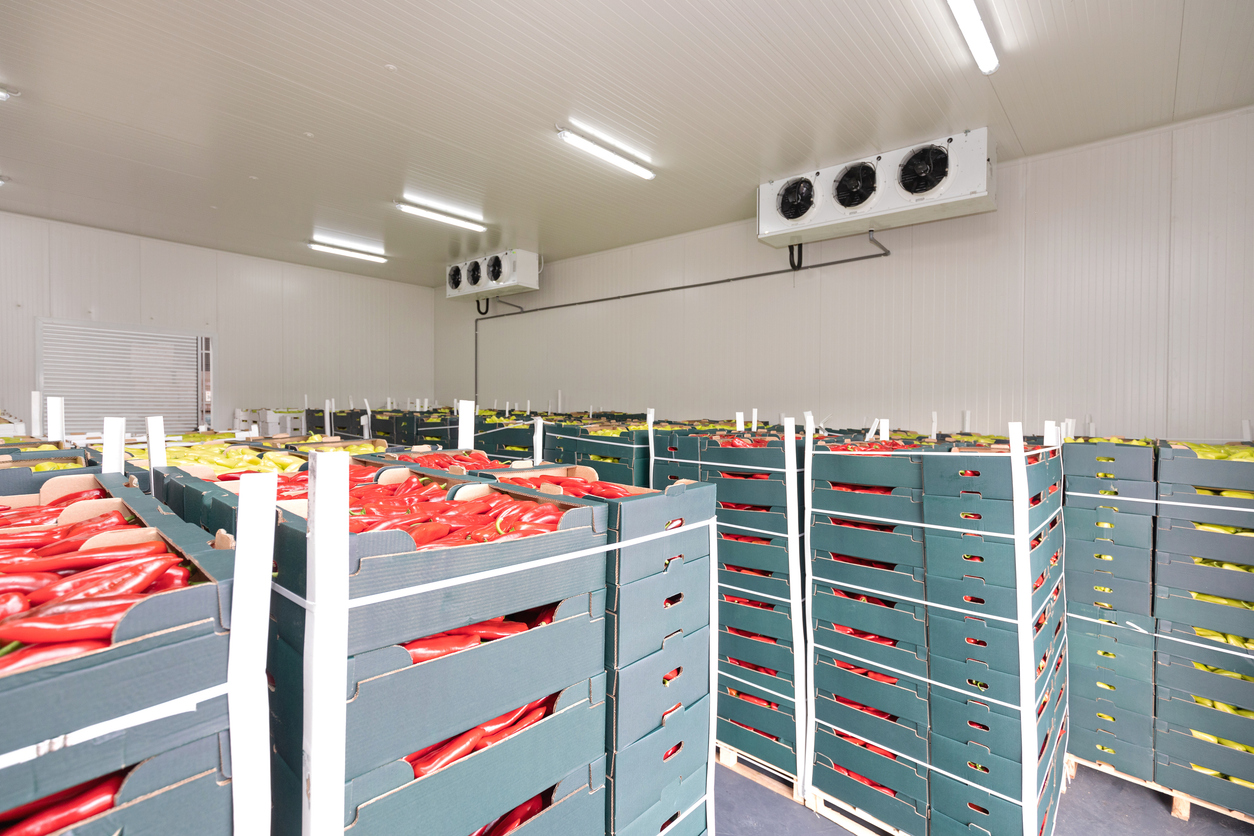
A major gap in the fresh food supply chain in Nigeria is the lack of cold storage and refrigerated transport. Without temperature-controlled systems, perishable goods deteriorate rapidly.
3. Fragmented Distribution Networks
The supply chain is often dominated by informal intermediaries. This fragmentation leads to inefficiencies, price inconsistencies, and limited traceability.
4. Post-Harvest Losses
Nigeria loses an estimated 30–50% of fresh produce due to inadequate handling, storage, and logistics. This affects both farmers’ incomes and consumer prices.
5. Regulatory and Compliance Gaps
Inconsistent standards for food safety, packaging, and transportation can hinder both domestic distribution and export opportunities.
Opportunities for Improving the Fresh Food Supply Chain
Despite these challenges, there are strong opportunities for transformation:
Investment in Cold Chain Logistics
Expanding cold storage facilities and refrigerated transport can significantly reduce spoilage and extend shelf life.
Digital Supply Chain Solutions
Technology platforms can improve coordination between farmers, distributors, and retailers. Real-time tracking and demand forecasting can optimise supply.
Aggregation and Structured Sourcing
Organising farmers into cooperatives or structured sourcing networks improves efficiency, consistency, and bargaining power.
Growth of Modern Retail and FMCG Channels
Supermarkets, quick-commerce platforms, and food service providers are increasing demand for reliable, high-quality fresh food supply.
The Role of Efficient Logistics in Fresh Food Distribution
Efficient logistics is the backbone of a functional fresh food supply chain in Nigeria. Key elements include:
- Timely transportation to reduce spoilage
- Proper packaging to protect goods during transit
- Inventory management systems to track stock levels
- Strategic warehousing near consumption hubs
Companies that can integrate these elements are better positioned to deliver consistent quality and meet growing consumer demand.
How Wigmore Trading Supports the Fresh Food Supply Chain
Addressing supply chain inefficiencies requires coordinated expertise in sourcing, logistics, and distribution. Wigmore Trading supports businesses operating within the fresh food supply chain in Nigeria by providing:
- Sourcing and procurement support from reliable producers
- Efficient distribution networks across key Nigerian markets
- Logistics coordination, including transportation planning
- Supply chain optimisation to reduce waste and improve turnaround times
- Compliance support for quality and regulatory requirements
By connecting producers with structured distribution channels, Wigmore Trading helps reduce inefficiencies and improve product availability across the value chain.
Practical Steps for Businesses in the Fresh Food Sector
Businesses looking to strengthen their supply chains can take the following steps:
- Invest in partnerships with reliable logistics providers
- Adopt better storage solutions, including cold chain systems
- Leverage data and technology for demand planning
- Streamline supplier networks to reduce fragmentation
- Ensure compliance with food safety standards
Working with experienced partners can help businesses scale operations while maintaining quality and efficiency.
Conclusion
The fresh food supply chain in Nigeria is at a critical stage of transformation. While challenges such as poor infrastructure and limited cold storage persist, there are clear opportunities for improvement through investment, technology, and structured distribution systems.
As demand for fresh, high-quality food continues to grow, businesses that prioritise efficient supply chain management will gain a competitive advantage.
Wigmore Trading can help. Contact Wigmore Trading today to streamline your sourcing.


Comments are closed.