
Gas Powered Factory in Nigeria: What Businesses Need to Know

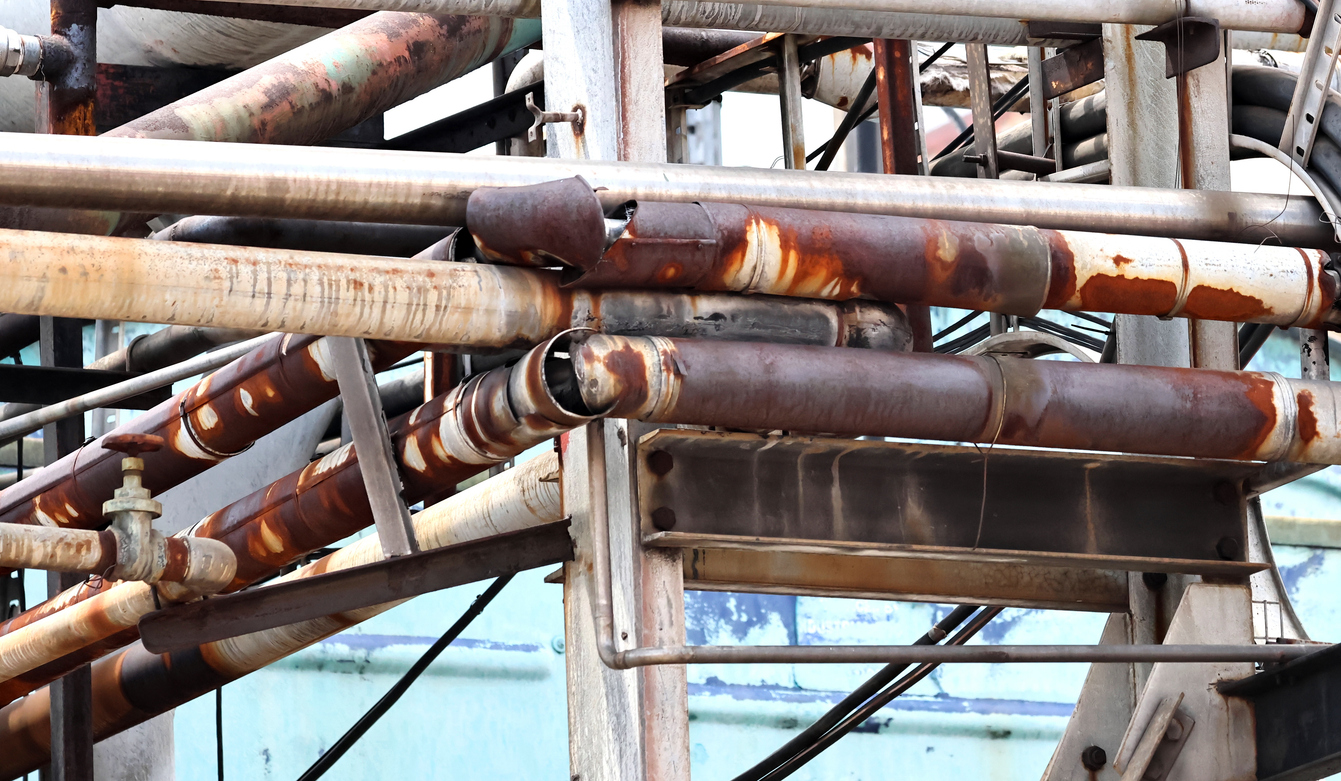
Nigeria’s industrial sector depends heavily on reliable and cost-effective energy. For manufacturers, processors, and large-scale distributors, power supply is not just an operational issue. It directly affects production output, product quality, delivery timelines, and overall profitability. This is why the idea of a gas powered factory in Nigeria is becoming more relevant for businesses looking for stable industrial operations.
A gas powered factory uses natural gas or compressed gas as its primary energy source for industrial processes, machinery, and on-site power generation. In Nigeria, this model is especially important because many factories face recurring electricity disruptions, high diesel costs, and pressure to improve operational efficiency. For companies involved in FMCG, agro-processing, packaging, chemicals, or light manufacturing, gas can offer a more practical long-term energy solution.
Why gas power matters for factories in Nigeria
Energy reliability remains one of the biggest challenges facing factories in Nigeria. Frequent grid instability can interrupt production schedules, damage equipment, and increase maintenance costs. Many manufacturers respond by relying on diesel generators, but diesel-based operations can become expensive and difficult to sustain at scale.
A gas powered factory in Nigeria can reduce some of these pressures by providing a more consistent fuel source for power generation and industrial heating. Where gas supply infrastructure is available, businesses may benefit from lower operating costs compared with heavy dependence on diesel. Gas can also support continuous production, which is particularly important in industries where stoppages lead to spoilage, waste, or missed delivery commitments.
For businesses trying to strengthen supply chain performance, energy security is closely linked to commercial competitiveness. A factory that can run more predictably is better positioned to meet contract volumes, maintain product quality, and serve wholesale or export markets.
Key benefits of a gas powered factory in Nigeria
One major benefit is improved operational continuity. Factories need dependable energy to run processing lines, cold storage systems, packaging equipment, and warehouse operations. Gas-powered systems can help reduce unplanned downtime and improve output consistency.
Another benefit is cost management. Energy is one of the largest cost centres in industrial production. Although the economics depend on location, infrastructure, and plant design, gas can support more efficient long-term planning than constant exposure to diesel price volatility.
There is also an efficiency advantage. Gas-powered systems can be integrated into captive power solutions that are designed around the factory’s actual demand. This allows businesses to match energy generation more closely with production requirements.
For companies with growth ambitions, a gas powered factory can also support scaling. As production volumes increase, businesses need energy systems that can expand without creating major bottlenecks. A well-planned gas setup can form part of a broader industrial strategy that supports warehousing, transport coordination, and distribution growth.
Challenges businesses should consider
Despite the benefits, setting up or operating a gas powered factory in Nigeria requires careful planning. The first challenge is access to reliable gas supply. Not every industrial area has the same level of pipeline access or gas delivery infrastructure. Businesses must assess fuel availability before making major capital decisions.
The second challenge is compliance. Industrial energy projects involve regulatory, technical, and safety requirements. Businesses need to ensure that installations, storage, handling, and distribution arrangements meet applicable standards. Weak planning in this area can lead to delays, added costs, or operational risks.
Another issue is capital investment. Transitioning to gas-powered industrial operations may require spending on generators, boilers, conversion systems, storage, safety controls, and engineering support. Businesses should assess total lifecycle costs rather than focusing only on initial installation expenses.
Supply chain integration is also essential. A factory’s energy strategy should not be planned in isolation. It should align with procurement, inventory management, inbound logistics, distribution schedules, and customer service obligations.
How businesses can make the model work
Success usually depends on strong feasibility planning. Companies should begin with a technical and commercial review of their energy demand, production profile, and supply chain priorities. This helps identify whether gas is suitable for the site and how it can best support manufacturing or processing operations.
Reliable sourcing partners also matter. Industrial projects often require coordination across multiple suppliers, including fuel providers, equipment vendors, transport operators, and compliance specialists. Delays or gaps in one area can affect the entire operation.
This is where experienced trade and supply chain support becomes valuable. Wigmore Trading works with businesses across sourcing, logistics, distribution, and commercial operations in Nigeria and broader African markets. For companies developing manufacturing capacity or strengthening industrial supply chains, practical support with procurement coordination, import processes, product movement, and operational planning can make implementation more efficient.
For example, businesses setting up a gas powered factory may also need support sourcing industrial inputs, managing inbound shipments, coordinating warehousing, or distributing finished goods into wholesale channels. A structured supply chain partner can help reduce friction across these stages while keeping the project commercially focused.
The broader business case
A gas powered factory in Nigeria is not just an energy decision. It is part of a wider strategy to improve productivity, manage costs, and build a more resilient operation. In sectors where timing, consistency, and product availability matter, dependable power can create a real operational advantage.
As Nigeria’s industrial and trade environment continues to evolve, businesses that invest in stronger energy and supply chain systems are likely to be better prepared for growth. The most effective approach is usually one that combines energy planning with sound sourcing, logistics, compliance, and distribution support.
Conclusion
For manufacturers, processors, and industrial investors, the case for a gas powered factory in Nigeria is closely tied to reliability, efficiency, and long-term business performance. While the model requires careful planning, infrastructure assessment, and compliance management, it can offer a practical route to more stable factory operations.
Businesses should approach the decision with a clear view of energy demand, supply chain needs, and implementation risks. With the right structure and commercial support, gas-powered operations can strengthen production capacity and improve market responsiveness.
Wigmore Trading can help. Contact Wigmore Trading today to streamline your sourcing.




Comments are closed.