
Generator Import from China to Nigeria: A Practical Guide for Importers

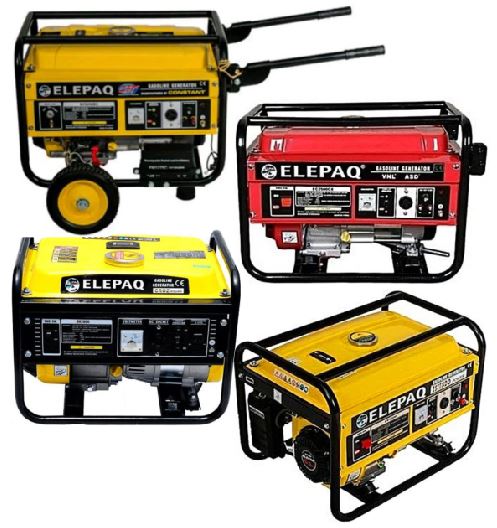
As Nigeria continues to face persistent power supply challenges, demand for reliable generators remains strong across residential, commercial, and industrial sectors. For many Nigerian businesses, generator import from China to Nigeria has become a cost-effective and scalable solution to meet this demand.
China is one of the world’s largest manufacturers of generators, offering a wide range of models at competitive prices. However, importing generators requires careful planning, compliance with Nigerian regulations, and efficient logistics coordination. This guide explains the key considerations and how businesses can streamline the process.
Why Generator Import from China to Nigeria Is Growing
Nigeria’s energy deficit has created sustained demand for backup and primary power solutions. Small petrol generators serve households and SMEs, while diesel and industrial generators are widely used in manufacturing, construction, telecoms, and large commercial facilities.
Chinese manufacturers offer:
-
Competitive factory pricing due to large-scale production
-
A wide product range, from small portable units to heavy-duty industrial generators
-
Flexible OEM and private-label options
-
Continuous technological improvements in fuel efficiency and noise reduction
For Nigerian importers and distributors, sourcing from China provides better margins and product variety compared to many other markets. However, success depends on selecting the right supplier and managing compliance properly.
Understanding Generator Types Before Importing
Before starting a generator import from China to Nigeria, it is important to define the target market. Generators vary significantly in size, fuel type, and application.
Petrol generators are typically used for residential and small-scale commercial needs. They are affordable, portable, and easy to maintain, but generally offer lower power output.
Diesel generators are common for industrial and heavy-duty applications. They provide higher efficiency and longer operational life but require more upfront investment.
Gas-powered and hybrid generators are also emerging options, particularly for businesses seeking cleaner energy solutions.
Importers must consider voltage compatibility (Nigeria operates on 230V/50Hz), fuel availability, noise standards, and spare parts support. Selecting the wrong specification can lead to slow sales or regulatory issues.
Regulatory Requirements for Generator Import from China to Nigeria
Compliance is a critical part of generator import from China to Nigeria. Importers must ensure that their products meet Nigerian regulatory standards before shipment.
Key requirements typically include:
-
SONCAP certification issued by the Standards Organisation of Nigeria
-
Pre-Shipment Inspection (where applicable)
-
Form M registration through an authorised Nigerian bank
-
PAAR (Pre-Arrival Assessment Report) processing
-
Proper HS code classification for customs clearance
Generators fall under regulated electrical and mechanical product categories, making SONCAP certification mandatory in most cases. Failure to comply can result in shipment delays, penalties, or product seizure.
Working with experienced import consultants and logistics partners helps prevent costly documentation errors.
Shipping and Logistics Considerations
Shipping generators from China to Nigeria involves careful coordination. Due to their weight and bulk, generators are typically shipped via sea freight.
Importers can choose between:
-
Full Container Load (FCL) for large-volume shipments
-
Less than Container Load (LCL) for smaller orders
FCL is often more cost-effective per unit when importing in bulk. However, smaller businesses testing the market may begin with LCL shipments.
Port selection also matters. Apapa and Tin Can Island Ports in Lagos handle most imports, though congestion can sometimes affect timelines. Accurate documentation, proper packaging, and correct customs classification reduce clearance delays.
An experienced supply chain partner can manage freight forwarding, customs clearance, warehousing, and last-mile distribution to ensure smooth operations.
Cost Structure of Generator Import from China to Nigeria
Understanding total landed cost is essential before placing orders. The final cost goes beyond factory pricing and includes:
-
Product cost (EXW or FOB price)
-
Inland transportation in China
-
Sea freight charges
-
Marine insurance
-
Nigerian customs duties and taxes
-
Port handling and clearing charges
-
Inland logistics within Nigeria
Import duty rates vary depending on generator type and classification. Importers must confirm the applicable HS code and tariff rates in advance to calculate accurate margins.
Exchange rate fluctuations also affect profitability. Many Nigerian importers mitigate risk by negotiating favourable payment terms or working with trade finance partners.
Quality Control and Supplier Verification
One of the main risks in generator import from China to Nigeria is inconsistent product quality. While China has many reputable manufacturers, the market also includes low-grade producers.
Before placing large orders, importers should:
-
Conduct factory verification
-
Request product certifications and test reports
-
Inspect production samples
-
Arrange pre-shipment quality inspections
Clear technical specifications should be included in the purchase contract, including engine type, alternator quality, fuel consumption rate, noise level, and warranty terms.
A professional sourcing partner can perform supplier due diligence, negotiate better terms, and ensure that products meet Nigerian market expectations.
After-Sales Support and Spare Parts Strategy
Generators require ongoing maintenance. Importers who fail to plan for spare parts and technical support may damage their brand reputation.
A strong strategy includes:
-
Importing essential spare parts alongside generators
-
Training local technicians
-
Securing manufacturer warranty agreements
-
Establishing a distribution network for parts
Reliable after-sales support increases customer trust and encourages repeat business.
How Wigmore Trading Supports Generator Import from China to Nigeria
Navigating generator import from China to Nigeria involves supplier sourcing, compliance management, freight coordination, customs clearance, and local distribution. Businesses that attempt to manage all these steps independently may face avoidable delays and costs.
Wigmore Trading supports importers by providing:
-
Supplier sourcing and factory verification in China
-
Quality control inspections
-
SONCAP and regulatory compliance guidance
-
Freight forwarding and customs clearance
-
Warehousing and distribution solutions within Nigeria
By managing the supply chain end-to-end, businesses can focus on sales and market expansion rather than operational bottlenecks.
Conclusion
Generator import from China to Nigeria presents significant opportunities for distributors, wholesalers, and project contractors. With strong demand across residential and industrial sectors, the market remains robust.
However, profitability depends on selecting the right supplier, ensuring regulatory compliance, calculating accurate landed costs, and managing logistics efficiently. Businesses that invest in proper planning and supply chain coordination reduce risk and improve margins.
Wigmore Trading can help.



Comments are closed.