
Germany Industrial Gas Shortage Contingency in the Chemicals Sector

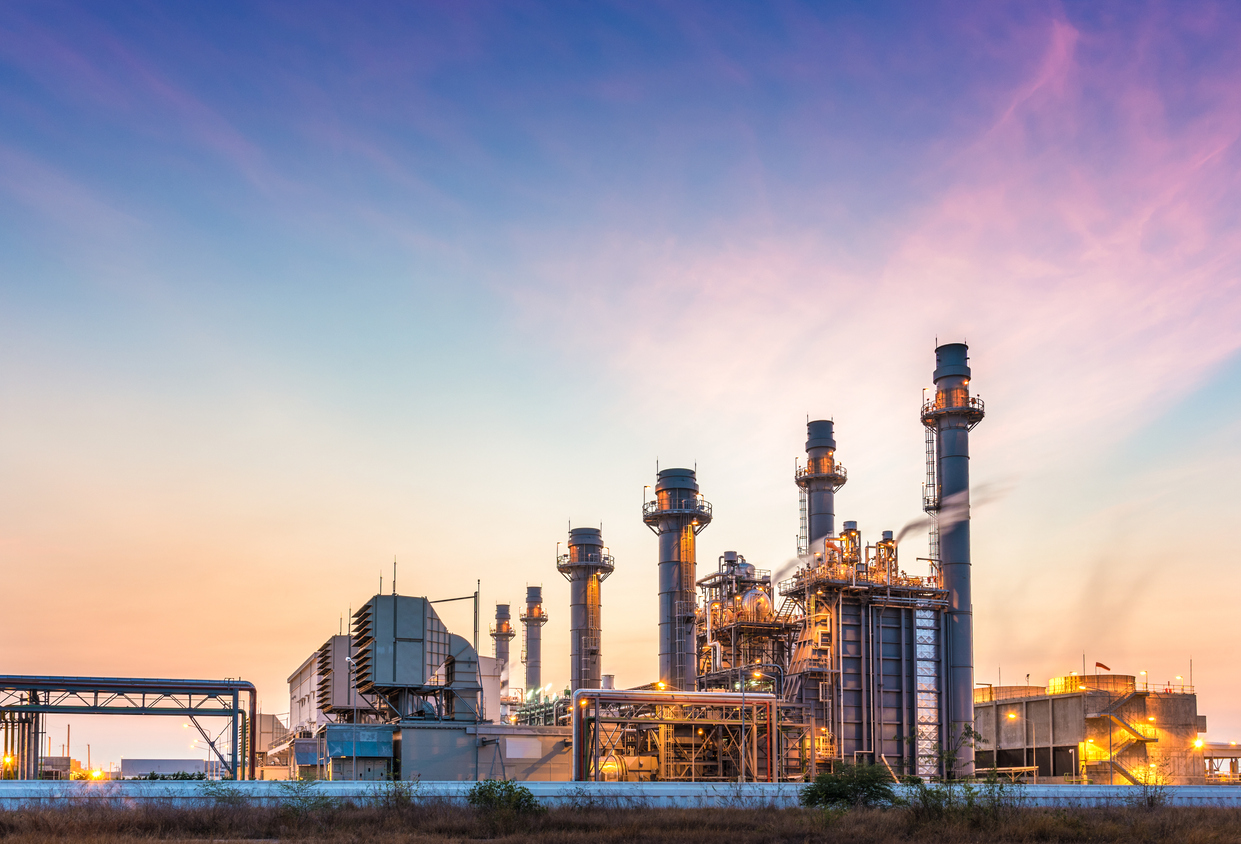
Germany’s chemical industry is one of the most advanced and globally integrated manufacturing sectors. However, its heavy dependence on natural gas has made it particularly vulnerable to energy supply disruptions. The Germany industrial gas shortage contingency chemicals sector strategy has therefore become a critical issue for policymakers, manufacturers, and supply chain partners worldwide.
Natural gas in Germany is used not only as an energy source but also as a feedstock for producing essential chemicals. When gas supplies tighten, the consequences extend across fertilizers, plastics, pharmaceuticals, and other industrial value chains.
Understanding how the sector prepares for gas shortages—and how international partners can respond—helps businesses navigate risk and maintain supply continuity.
Why Natural Gas Is Critical to Germany’s Chemicals Sector
The German chemicals sector is among the largest in the world and a cornerstone of European manufacturing. With thousands of companies and hundreds of thousands of employees, it supplies materials used in automotive, agriculture, construction, and consumer goods.
Natural gas plays two major roles in this industry:
Energy source:
Most chemical plants rely on gas to generate steam and electricity required for continuous production processes.
Chemical feedstock:
Gas is also used as a raw material to produce ammonia, methanol, hydrogen, and other base chemicals essential for downstream products.
Industry data suggests that roughly 30% of base chemicals are directly or indirectly derived from natural gas, making the sector highly sensitive to gas availability and pricing.
If supply falls significantly, production can slow or stop entirely, affecting both domestic manufacturing and global exports.
Causes of the Germany Industrial Gas Shortage Risk
The risk of gas shortages in Germany intensified following major geopolitical and energy market shifts in recent years.
Reduced pipeline supply
Germany historically relied heavily on pipeline gas imports. Supply disruptions significantly reduced the availability of low-cost gas, forcing companies to seek alternative energy sources.
Rising energy prices
The surge in energy prices has placed considerable pressure on energy-intensive industries, including chemicals, metals, and manufacturing.
High industrial gas consumption
Germany has a relatively high share of gas use in industrial activity, with industry accounting for around 35% of gas demand, compared to roughly 20% across the European Union.
Because the chemical sector is particularly gas-intensive, it is often the first to face operational adjustments during shortages.
Contingency Measures in the Chemicals Sector
To reduce the impact of a potential shortage, Germany has implemented several contingency measures designed to protect the energy system and maintain essential production.
National gas emergency planning
Germany operates a three-stage emergency plan that includes:
-
Early warning level
-
Alert level
-
Emergency level
In the emergency phase, the national energy regulator coordinates the allocation of limited gas supplies to critical users.
Industrial demand reduction
Chemical companies may reduce output, temporarily shut down certain production units, or prioritize high-value chemicals to conserve gas usage.
Alternative energy and feedstocks
Manufacturers are increasingly exploring alternatives such as:
-
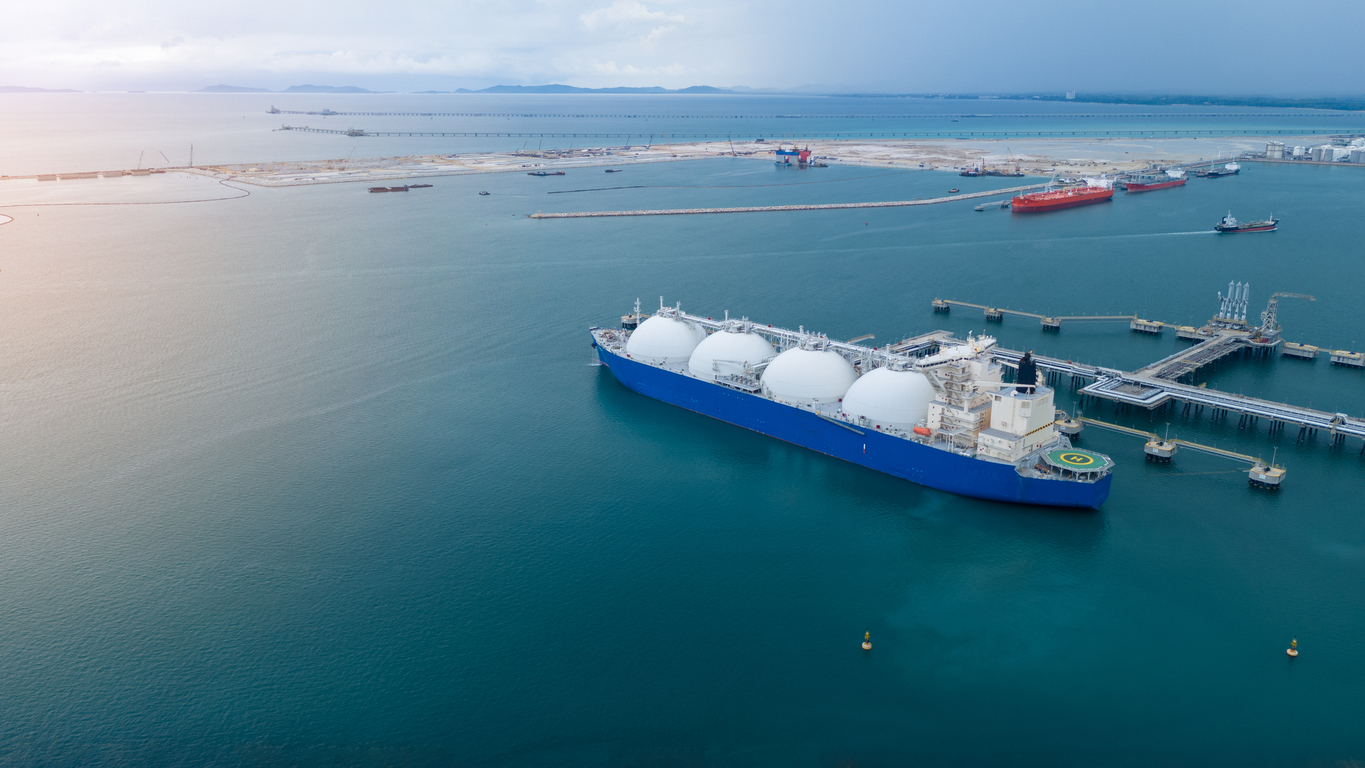
Liquefied natural gas (LNG) imports
-
Renewable hydrogen
-
Biomass-based chemical feedstocks
However, many of these solutions require long-term infrastructure investment.
Production relocation
Some companies have also shifted investment toward regions with lower energy costs, including North America and Asia.
Supply Chain Implications for Global Markets
The Germany industrial gas shortage contingency chemicals sector response has implications far beyond Europe.
Because Germany exports large volumes of industrial chemicals, any production disruption can affect:
-
Global fertilizer supply
-
Automotive manufacturing inputs
-
Plastics and polymer availability
-
Pharmaceutical and specialty chemical supply chains
Major chemical complexes, such as large integrated industrial sites, supply raw materials to numerous downstream industries. If production slows at these hubs, shortages can cascade across international supply chains.
For businesses that rely on chemical inputs, diversification of sourcing and logistics planning becomes essential.
Managing Supply Risk Through Global Trade Partnerships
Companies operating in manufacturing, agriculture, and consumer goods are increasingly exploring alternative sourcing strategies to reduce dependency on a single region.
Key approaches include:
Supplier diversification
Working with multiple producers across different geographic markets reduces the impact of regional disruptions.
Strategic inventory planning
Maintaining safety stock for critical inputs helps protect production during temporary shortages.
Flexible logistics networks
Efficient distribution systems allow companies to shift sourcing routes quickly when market conditions change.
How Wigmore Trading Supports Chemical Supply Chains
Navigating energy-driven supply disruptions requires strong sourcing and logistics capabilities. Companies operating in international markets often rely on experienced trading partners to maintain continuity.
Wigmore Trading supports businesses by helping them:
-
Source industrial raw materials and chemical inputs
-
Manage import and export logistics across global markets
-
Coordinate distribution and storage solutions
-
Ensure compliance with international trade and regulatory requirements
By building resilient supply chains and diversified sourcing networks, companies can reduce exposure to energy-related disruptions in major manufacturing hubs.
Conclusion
The Germany industrial gas shortage contingency chemicals sector strategy highlights how energy supply challenges can reshape industrial production and global trade flows. Because natural gas remains essential for both energy and chemical feedstocks, shortages can disrupt production across multiple industries.
To manage these risks, chemical producers are adopting contingency planning, alternative energy strategies, and flexible production models. At the same time, international buyers are strengthening supply chain resilience by diversifying sourcing and improving logistics planning.
Wigmore Trading can help. Contact Wigmore Trading today to streamline your sourcing.



Comments are closed.