
Global Transport and Logistics: Moving Goods Efficiently

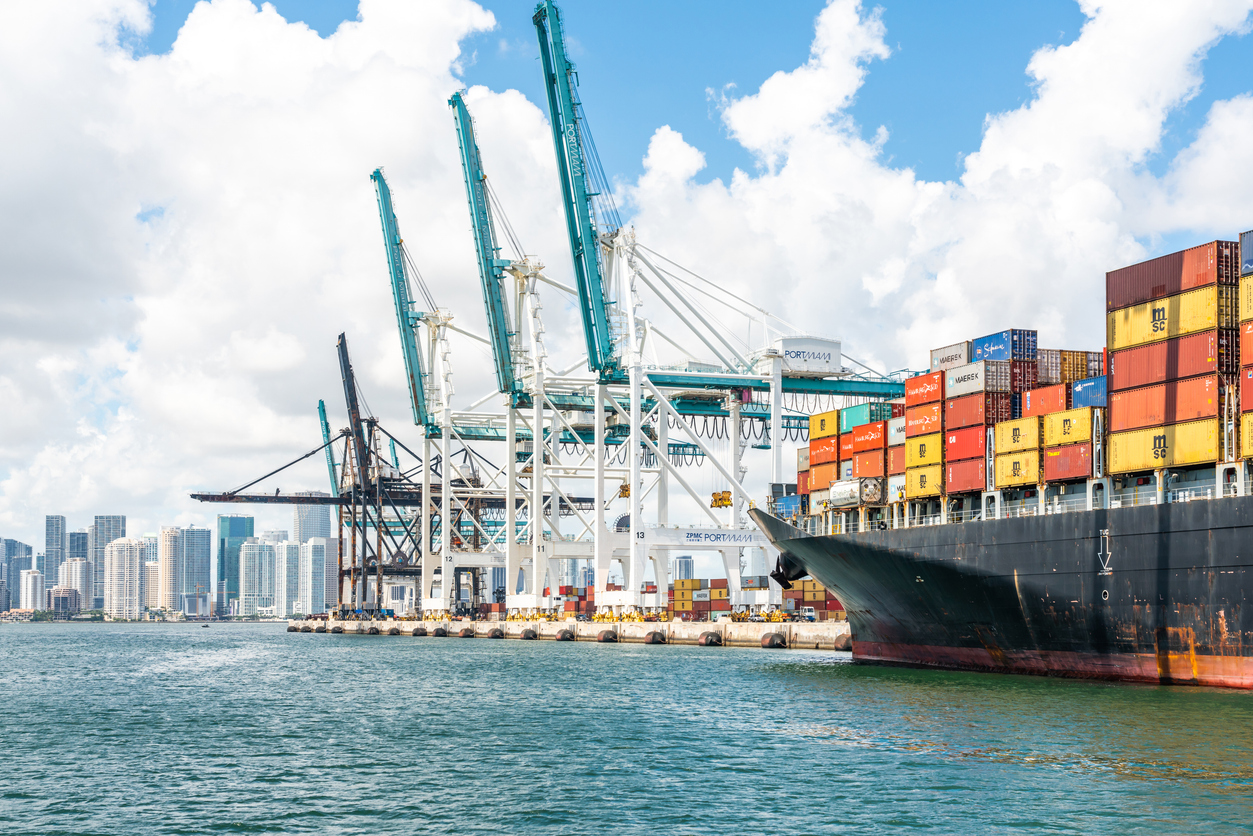
Global transport and logistics play a critical role in international trade, connecting manufacturers, distributors, and retailers across continents. For businesses involved in import/export, FMCG distribution, wholesale trade, and African market supply chains, efficient logistics is not just an operational concern—it directly impacts costs, delivery times, and customer satisfaction.
As global trade volumes increase and supply chains become more complex, companies need reliable transport and logistics strategies to remain competitive. Understanding how global logistics works, common challenges, and practical solutions can help businesses streamline operations and reduce risk.
What Is Global Transport and Logistics?
Global transport and logistics refer to the planning, execution, and management of moving goods across international borders. This includes:
-
Freight transportation by sea, air, road, and rail
-
Warehousing and inventory management
-
Customs clearance and regulatory compliance
-
Supply chain coordination and last-mile delivery
For companies sourcing products from Asia, Europe, or within Africa, global transport and logistics ensure goods arrive on time, in good condition, and at predictable costs.
Wigmore Trading supports businesses by coordinating international shipments, managing supplier relationships, and helping clients navigate cross-border logistics efficiently.
Key Modes of Global Transportation
Sea Freight
Sea freight is the backbone of global trade, especially for bulk goods, commodities, and FMCG products. It offers cost advantages for large shipments but requires careful planning due to longer transit times and port congestion risks.
Wigmore Trading helps businesses select optimal shipping routes, manage containerized and bulk cargo, and coordinate port handling to minimize delays.
Air Freight
Air freight is ideal for high-value, time-sensitive goods such as electronics, pharmaceuticals, and perishable products. While more expensive than sea freight, it offers speed and reliability when timing is critical.
For businesses supplying fast-moving African markets, Wigmore Trading can help balance speed and cost by selecting the most efficient air freight solutions.
Road and Rail Transport
Road and rail play a vital role in regional and inland distribution. In Africa, road transport is often essential for last-mile delivery, while rail can be cost-effective for long-distance inland freight.
Coordinating multimodal transport is a key part of effective global logistics, and Wigmore Trading assists clients in integrating these modes seamlessly.
Common Challenges in Global Transport and Logistics
Supply Chain Disruptions
Global logistics is vulnerable to disruptions such as port congestion, geopolitical tensions, fuel price volatility, and extreme weather events. These disruptions can cause delays and unexpected costs.
Working with an experienced logistics partner like Wigmore Trading helps businesses build contingency plans and diversify transport routes.
Customs and Regulatory Complexity
Each country has its own customs regulations, documentation requirements, and import duties. Errors in paperwork can lead to delays, fines, or shipment holds.
Wigmore Trading supports clients with customs coordination and compliance, reducing the risk of costly mistakes.
Rising Transportation Costs
Freight rates, fuel surcharges, and handling fees fluctuate regularly. Without proper planning, transportation costs can erode profit margins.
By optimizing shipment sizes, transport modes, and supplier locations, Wigmore Trading helps businesses manage logistics costs more effectively.
The Importance of Logistics in African Trade
Africa’s growing consumer markets and expanding manufacturing base make it a key region for global trade. However, infrastructure gaps and regulatory differences across countries can complicate logistics operations.
Efficient global transport and logistics are essential for moving goods into and within African markets. This includes reliable port handling, inland transport coordination, and strong local partnerships.
Wigmore Trading specializes in African trade logistics, helping businesses import and distribute products across West, Central, East, and Southern Africa with greater reliability.
How Technology Is Transforming Global Logistics
Digital tools are improving visibility and efficiency across global supply chains. Key developments include:
-
Real-time shipment tracking
-
Digital documentation and e-bills of lading
-
Data-driven route optimization
-
Inventory and demand forecasting systems
These tools allow businesses to anticipate delays, optimize inventory levels, and improve customer communication. Wigmore Trading leverages logistics data and supplier coordination to help clients make informed decisions across their supply chains.
Choosing the Right Global Logistics Partner
Selecting the right logistics partner is crucial for businesses involved in international trade. Key factors to consider include:
-
Experience in global and regional markets
-
Strong supplier and carrier networks
-
Understanding of customs and regulatory environments
-
Ability to provide end-to-end logistics support
Wigmore Trading offers integrated sourcing, transport, and logistics support, making it easier for businesses to manage international trade operations without unnecessary complexity.
Supporting Business Growth Through Better Logistics
Effective global transport and logistics enable businesses to scale confidently, enter new markets, and respond quickly to demand changes. Whether importing FMCG products, industrial equipment, or raw materials, a well-managed logistics strategy reduces risk and improves operational efficiency.
Wigmore Trading can help businesses streamline sourcing, transportation, and delivery, ensuring goods move smoothly from origin to destination.
Get in touch with our team to learn more about how Wigmore Trading can support your global transport and logistics needs.






Comments are closed.