
Grocery Subscription in Nigeria: A Smarter Approach to Food Supply and Distribution

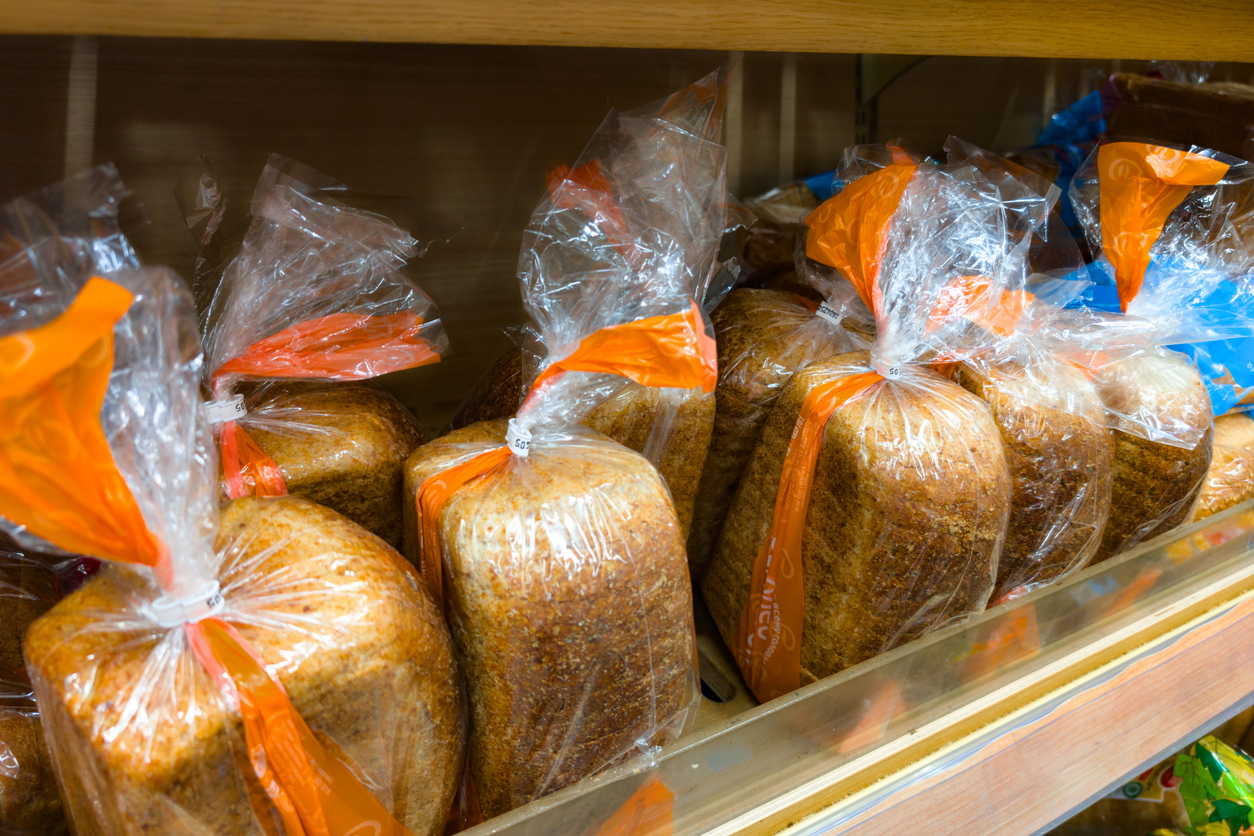
Nigeria’s retail and FMCG landscape is evolving rapidly, driven by urbanisation, changing consumer habits, and the increasing demand for convenience. One emerging trend gaining traction is the grocery subscription in Nigeria—a model that allows households and businesses to receive essential food items on a recurring basis. This approach is reshaping how groceries are sourced, distributed, and consumed across the country.
What is a Grocery Subscription Model?
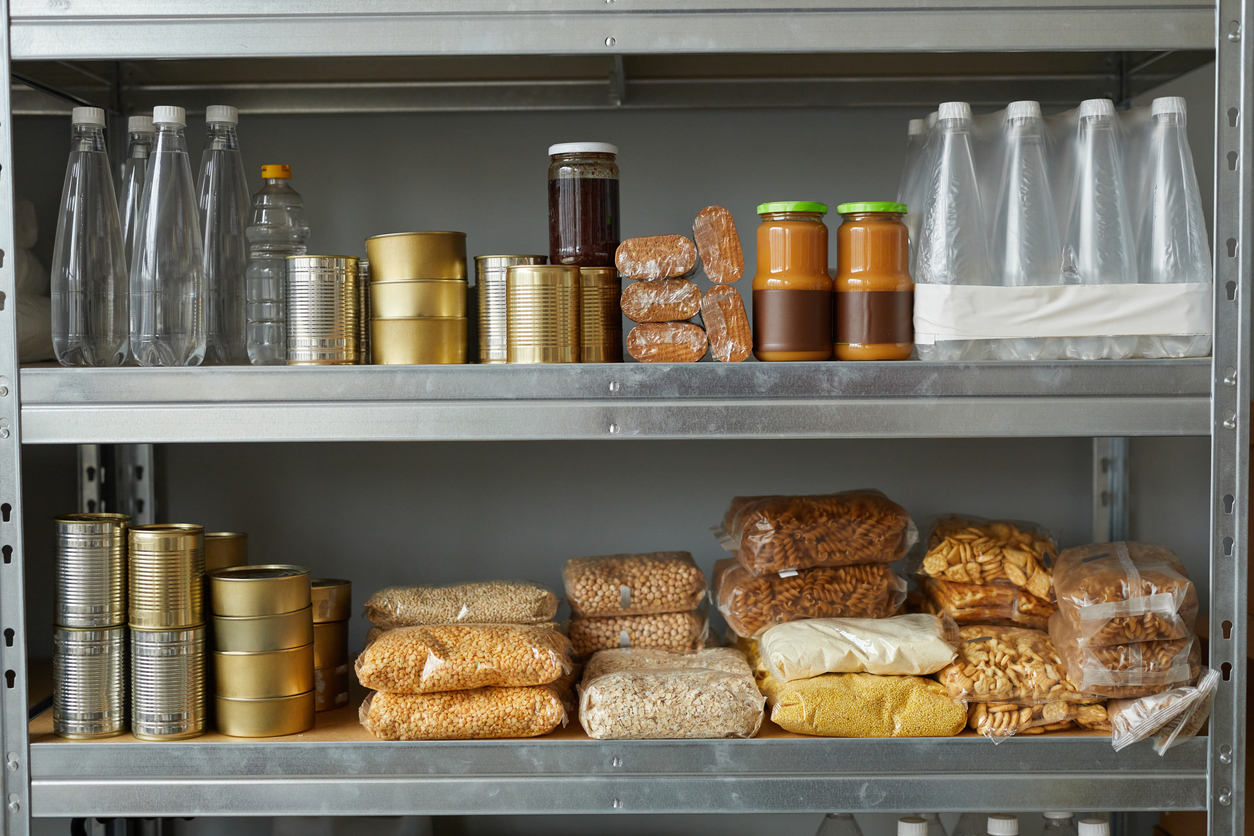
A grocery subscription is a service where customers sign up to receive regular deliveries of food items such as rice, flour, beverages, cooking oil, and packaged goods. These subscriptions can be weekly, bi-weekly, or monthly, depending on customer needs.
For businesses—such as restaurants, hotels, and retailers—this model ensures a consistent supply of inventory without the need for constant reordering. For households, it offers convenience, predictable spending, and reduced time spent shopping.
Why Grocery Subscription in Nigeria is Growing
1. Urbanisation and Busy Lifestyles
Major cities like Lagos and Abuja are experiencing increased demand for time-saving services. Consumers are looking for efficient ways to manage daily needs, and subscription-based grocery delivery addresses this gap.
2. Price Stability and Budget Control
With fluctuating food prices in Nigeria, subscriptions can help lock in pricing or at least provide more predictable costs. This is particularly valuable for families and businesses managing tight budgets.
3. Supply Chain Efficiency
Subscription models allow suppliers to better forecast demand, reduce waste, and optimise logistics. This results in more efficient distribution and improved availability of essential goods.
Key Challenges in Implementing Grocery Subscription Services
While the concept is promising, there are operational and logistical challenges that must be addressed.
Inconsistent Supply Chains
Nigeria’s supply chain can be affected by infrastructure limitations, import delays, and seasonal production fluctuations. Without reliable sourcing, subscription services may struggle to maintain consistency.
Logistics and Last-Mile Delivery
Timely delivery remains a challenge, especially in congested urban areas or remote regions. Efficient warehousing and distribution networks are essential for success.
Quality Control and Product Authenticity
Consumers expect consistent quality, particularly for FMCG products. Ensuring authenticity and proper storage conditions is critical to maintaining trust.
How Wigmore Trading Supports Grocery Subscription in Nigeria
To overcome these challenges, businesses often require a strong partner with expertise in sourcing, logistics, and distribution. This is where Wigmore Trading plays a strategic role.
Reliable Sourcing and Procurement
Wigmore Trading has established relationships with global and local suppliers, ensuring access to high-quality grocery products. This helps subscription providers maintain consistent inventory levels.
Efficient Distribution Networks
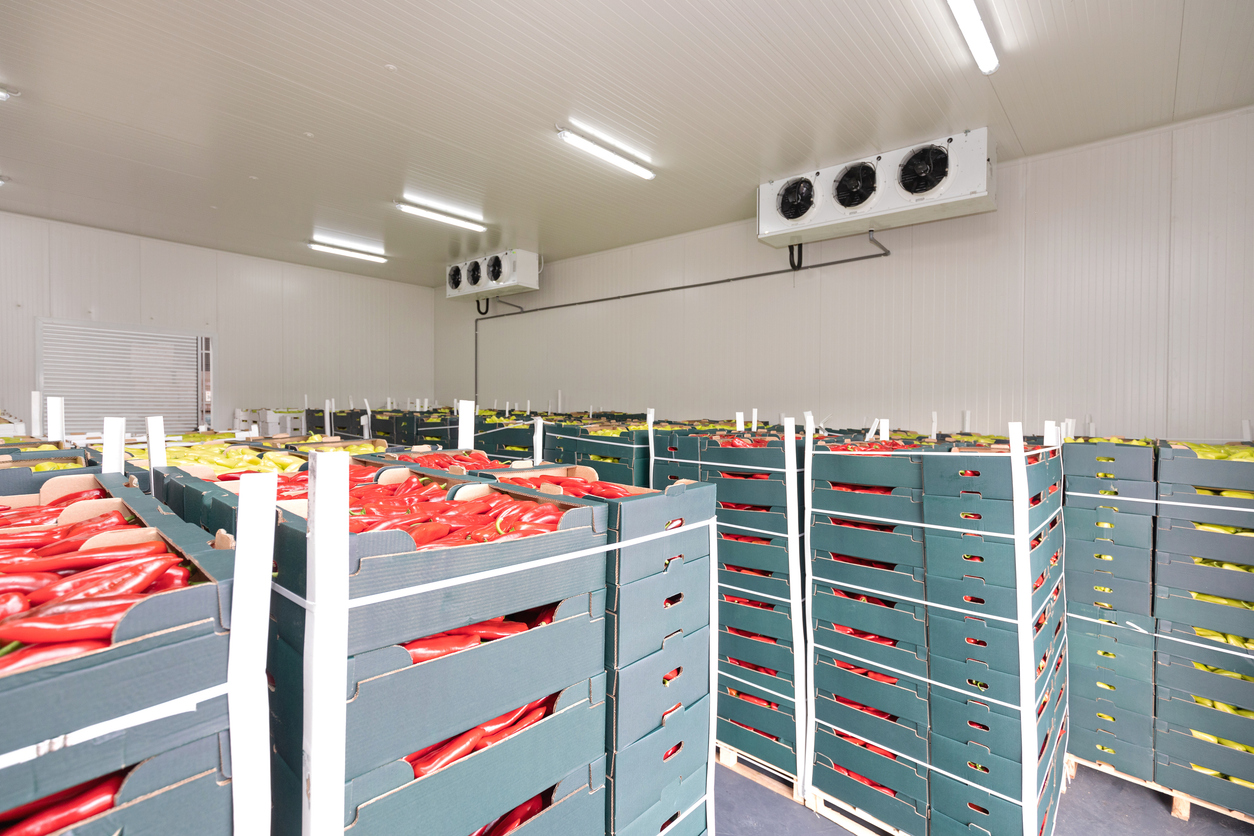
With experience in wholesale distribution and logistics, Wigmore Trading can support the movement of goods from ports to warehouses and final delivery points. This reduces delays and improves service reliability.
Compliance and Import Expertise
For imported grocery items, regulatory compliance is essential. Wigmore Trading assists with documentation, customs clearance, and adherence to Nigerian import regulations, ensuring smooth operations.
Scalable Supply Chain Solutions
Whether serving individual households or large-scale commercial clients, Wigmore Trading can tailor supply chain solutions to match demand. This scalability is critical for growing subscription-based businesses.
Benefits for Businesses and Consumers
For Businesses
- Predictable demand and improved inventory planning
- Reduced procurement costs through bulk sourcing
- Stronger customer retention through recurring services
For Consumers
- Convenience and time savings
- Consistent access to essential goods
- Better budgeting through planned purchases
The Future of Grocery Subscription in Nigeria
The grocery subscription model is expected to expand as digital platforms, mobile payments, and logistics infrastructure continue to improve. E-commerce integration will further enhance accessibility, allowing more consumers to adopt subscription-based purchasing.
Additionally, partnerships between distributors, logistics providers, and sourcing companies will play a crucial role in scaling this model sustainably. Businesses that invest in efficient supply chains and reliable partnerships will be better positioned to succeed.
Conclusion
The rise of grocery subscription in Nigeria reflects a broader shift toward convenience, efficiency, and structured consumption patterns. While challenges exist, they can be effectively managed through strong supply chain strategies and reliable partnerships.
Wigmore Trading can help businesses navigate sourcing, logistics, and distribution challenges, ensuring consistent and efficient grocery supply. Contact Wigmore Trading today to streamline your sourcing.



Comments are closed.