
Hapag-Lloyd: A History of Innovation in Shipping

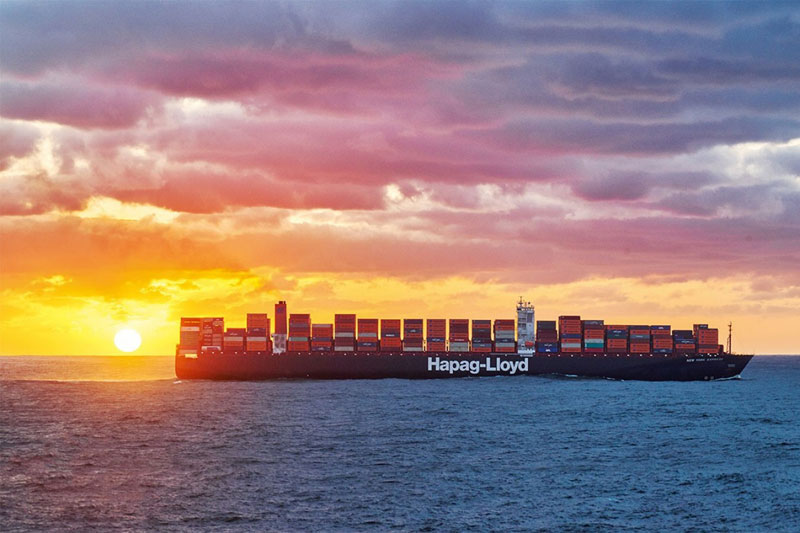
Hapag-Lloyd: A History of Innovation in Shipping
The world is a big place, and people have been looking for ways to get from one side of it to the other for centuries. One of the earliest types of commercial shipping was a freight service called a “packet”, which were small boats that transported mail and cargo between European countries. In 1828, Hapag-Lloyd was established as a partnership between two German shipping companies. Today they are still going strong as one of the largest international cargo carriers in the world. In this blog post, we’re going to explore how Hapag-Lloyd became what it is today.
Hapag-Lloyd in the 19th Century
In 1828, the German companies of Hapag-Lloyd were established as a partnership between two companies. Today they are one of the largest international cargo carriers in the world.
Hapag-Lloyd operates as a unit of German company Hapag-Lloyd AG. It is based in Hamburg, Germany and has offices globally, including operations in North America, Europe, and Asia Pacific. In 2006, Hapag-Lloyd was acquired by Brazilian company Global Transport & Logistics for US$2.5 billion.
Hapag-Lloyd’s main operations are focused on air freight (over 75% market share), ocean transport (over 50%), third party logistics and rail freight services.
The company’s fleet includes over 300 ships with a capacity of over 270 thousand TEU (twenty foot equivalent units) each year.
Hapag-Lloyd in the 20th and 21st Centuries
Hapag-Lloyd is a German shipping company that operates internationally. Founded in 1828, it has now grown to become one of the largest international cargo carriers in the world.
In the 20th century, Hapag-Lloyd grew from two ships with a volume of about 500 tons a year to more than 8,000 ships with a total volume carrying nearly 12 billion tons of cargo every year. In addition to growing their fleet size and business operations, they also focused on better customer service by developing different services such as express mail and refrigerated freight.
During the period between 1945 and 1990, Hapag-Lloyd experienced significant economic ups and downs. Their fleet was heavily dependant on the United States at this time due to being an allied company during World War II. After the fall of communism, they started expanding in new markets such as Eastern Europe and Asia where they established new routes and formed partnerships with other shipping companies like Maersk Line.
Overall, Hapag-Lloyd has expanded its fleet size 30 times since its inception in 1828.
What’s Next for Hapag-Lloyd?
It’s been 125 years since Hapag-Lloyd was established, and they’ve made plenty of big strides in that time. In the early days, their main focus was on carrying mail, but today they are a global freight company that operates in more than 90 countries.
Hapag-Lloyd has grown from its roots to become a major player in global transport. Now it’s time for the next step: what does the future hold for Hapag-Lloyd?
One thing is certain: new logistics companies are emerging all over the world as people try to take advantage of opportunities in this new industry. As these companies grow and more people enter this field, it will be interesting to see who comes out ahead.
Conclusion
: The History of Hapag-Lloyd
Hapag-Lloyd has been around for over 200 years. It’s fascinating to see how the company has evolved over time and come to be one of the largest international carriers in the world.
Hapag-Lloyd is a great example of a successful business that was founded on a simple idea—transport goods from one country to another. But it took many years of hard work, innovation, and quality service before they became what they are today.
Throughout the evolution, Hapag-Lloyd kept their mission clear: to offer safe transportation and high quality service at competitive rates. They’ve done this by inventing new technologies, investing in skill development, and establishing partnerships with other companies.



LEAVE A COMMENT
You must be logged in to post a comment.