
HDPE Chemical Compatibility Guide for Importers

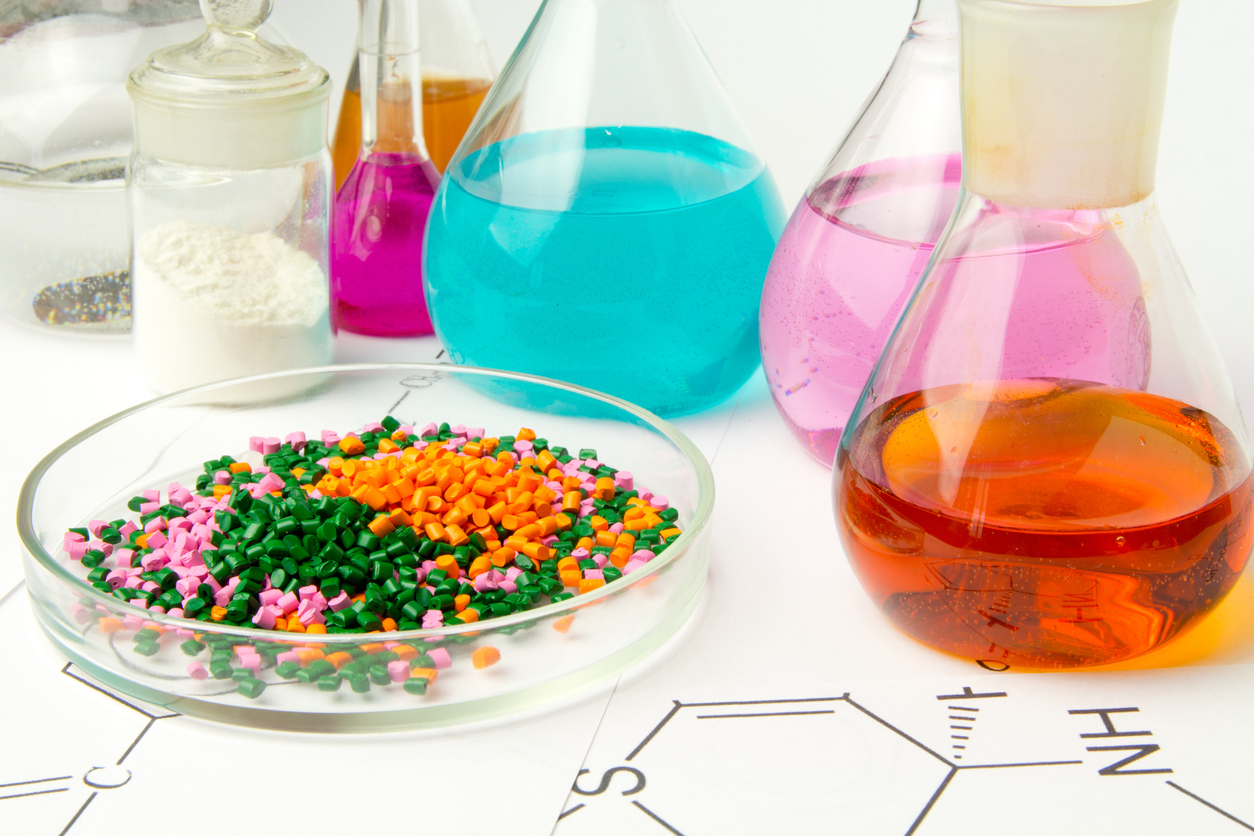
High-density polyethylene (HDPE) is one of the most widely used plastics in industrial, packaging, and chemical-handling applications. For importers, distributors, and manufacturers across Africa and global markets, understanding HDPE chemical compatibility is critical to ensuring product safety, longevity, and regulatory compliance.
This guide explains how HDPE interacts with different chemicals, where it performs best, its limitations, and how businesses can source the right HDPE products reliably. Wigmore Trading supports companies across multiple industries with trusted HDPE sourcing and supply solutions.
What Is HDPE and Why Chemical Compatibility Matters
HDPE (High-Density Polyethylene) is a thermoplastic polymer made from petroleum. It is valued for its:
-
High strength-to-density ratio
-
Excellent impact resistance
-
Low moisture absorption
-
Strong resistance to many chemicals
Chemical compatibility refers to how well a material resists degradation, swelling, cracking, or permeation when exposed to specific substances. For industries handling chemicals, food products, pharmaceuticals, fuels, or cleaning agents, compatibility directly affects safety and cost control.
Selecting the wrong plastic can result in container failure, contamination, leaks, or regulatory issues—risks that importers and distributors cannot afford.
HDPE Chemical Compatibility Overview
HDPE is known for its broad chemical resistance, making it suitable for many demanding applications. However, compatibility depends on factors such as concentration, temperature, and duration of exposure.
Chemicals HDPE Is Highly Compatible With
HDPE generally performs well when exposed to:
-
Acids (hydrochloric, sulfuric, phosphoric at moderate concentrations)
-
Alkalis and bases (sodium hydroxide, potassium hydroxide)
-
Alcohols (ethanol, methanol, isopropyl alcohol)
-
Salts and saline solutions
-
Water and aqueous solutions
-
Many detergents and cleaning agents
This makes HDPE a preferred material for chemical drums, jerry cans, storage tanks, piping systems, and industrial containers.
Chemicals That Can Affect HDPE Performance
Despite its versatility, HDPE is not universally compatible. Certain chemicals can cause softening, swelling, or long-term degradation.
Chemicals That Require Caution
-
Aromatic hydrocarbons (benzene, toluene, xylene)
-
Chlorinated solvents (trichloroethylene, methylene chloride)
-
Strong oxidizing agents (concentrated nitric acid, chromic acid)
-
Certain oils and fuels at high temperatures
Extended exposure or high temperatures can reduce HDPE’s mechanical strength. Importers dealing in petrochemicals, solvents, or specialty chemicals should confirm compatibility before selecting HDPE packaging or components.
Wigmore Trading can help evaluate product requirements and source suitable alternatives or reinforced HDPE grades when standard materials are not sufficient.
Temperature and Concentration: Key Compatibility Factors
Chemical compatibility charts are useful starting points, but real-world conditions often vary.
-
Higher temperatures increase the risk of chemical attack
-
Higher concentrations accelerate material degradation
-
Long-term storage poses different risks than short-term transport
For example, HDPE may safely store diluted acids at room temperature but fail under concentrated conditions or elevated heat. Businesses sourcing HDPE containers for African climates should account for higher ambient temperatures during transport and storage.
Common Industrial Applications of HDPE
Understanding HDPE chemical compatibility helps ensure the right application fit.
Typical Uses Include:
-
Chemical storage drums and intermediate bulk containers (IBCs)
-
Water and wastewater piping
-
Food and beverage packaging
-
Pharmaceutical containers
-
Agricultural chemical containers
-
Industrial tanks and liners
For FMCG and food-related industries, HDPE’s resistance to cleaning chemicals and moisture makes it especially valuable.
HDPE vs Other Plastics in Chemical Handling
HDPE is often compared with other polymers such as polypropylene (PP), PVC, and fluoropolymers.
-
HDPE vs PP: HDPE offers better impact resistance, while PP handles higher temperatures
-
HDPE vs PVC: HDPE is more chemically inert and flexible
-
HDPE vs PTFE: PTFE has superior chemical resistance but is significantly more expensive
Balancing cost, availability, and performance is essential—especially for importers supplying emerging markets. Wigmore Trading helps buyers select materials that meet both technical and commercial requirements.
Sourcing HDPE Products Safely and Reliably
Chemical compatibility issues often arise due to inconsistent material quality or unclear specifications. Challenges importers face include:
-
Unverified resin grades
-
Poor manufacturing standards
-
Lack of documentation
-
Inconsistent supply chains
Working with an experienced sourcing partner reduces these risks. Wigmore Trading supports businesses by:
-
Supplying verified HDPE products
-
Sourcing containers, pipes, and packaging to specification
-
Ensuring quality control and documentation
-
Facilitating logistics and international shipping
Whether you are importing HDPE containers, industrial packaging, or raw materials, Wigmore Trading can help streamline your sourcing process.
Practical Tips for Importers and Distributors
To avoid compatibility failures:
-
Always identify the exact chemical, concentration, and temperature
-
Request compatibility data from suppliers
-
Avoid generic “chemical resistant” claims
-
Factor in transport and storage conditions
-
Work with trusted distributors who understand industrial use cases
If uncertainty exists, it is better to validate compatibility upfront than manage costly recalls or failures later.
How Wigmore Trading Can Help
Wigmore Trading works with manufacturers, distributors, and industrial buyers across Africa and international markets to source high-quality HDPE products suited for chemical handling. From packaging to industrial components, our team helps match the right material to your operational needs.
Get in touch with our team to learn more.
Contact Wigmore Trading today to streamline your sourcing.






Comments are closed.