
Household Food Bulk Buying in Nigeria: A Practical Guide for Businesses and Consumers

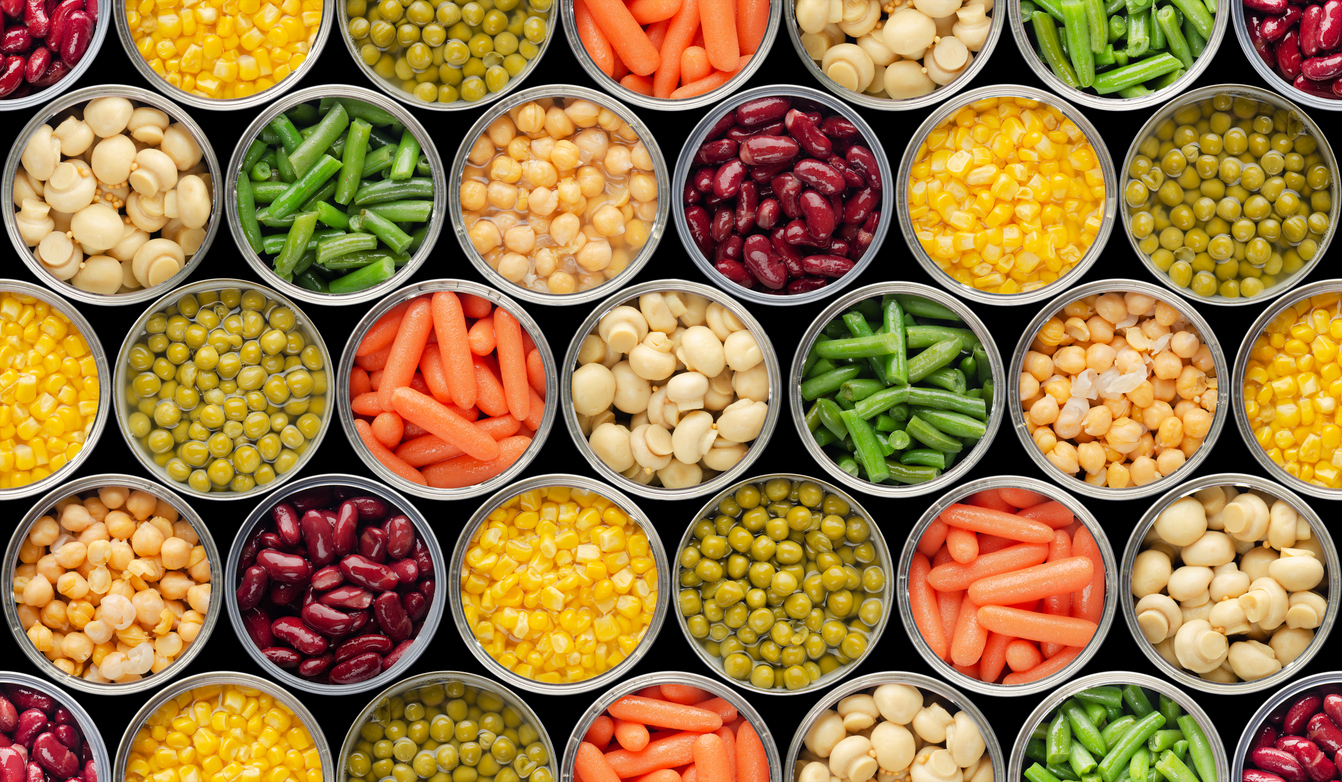
Household food bulk buying in Nigeria has become an increasingly strategic approach for both families and businesses looking to manage rising food costs and ensure consistent supply. With inflation affecting staple food prices and supply chain disruptions impacting availability, bulk purchasing offers a practical solution for cost savings, inventory control, and long-term planning.
Whether you are a retailer, distributor, or a household managing monthly consumption, understanding how to approach bulk buying effectively is essential.
Why Household Food Bulk Buying in Nigeria Makes Sense
Bulk buying allows buyers to purchase large quantities of food items at lower unit prices. In Nigeria, where food price volatility is common, this approach helps reduce exposure to frequent market fluctuations.
Key benefits include:
- Cost efficiency: Buying in bulk often reduces per-unit costs significantly
- Supply stability: Ensures availability of essential food items over longer periods
- Reduced transportation costs: Fewer trips to markets or suppliers
- Better inventory planning: Especially useful for wholesalers and retailers
For businesses operating in FMCG distribution or retail, bulk buying is not just an option—it is a necessity for maintaining competitive pricing.
Common Household Food Items Bought in Bulk
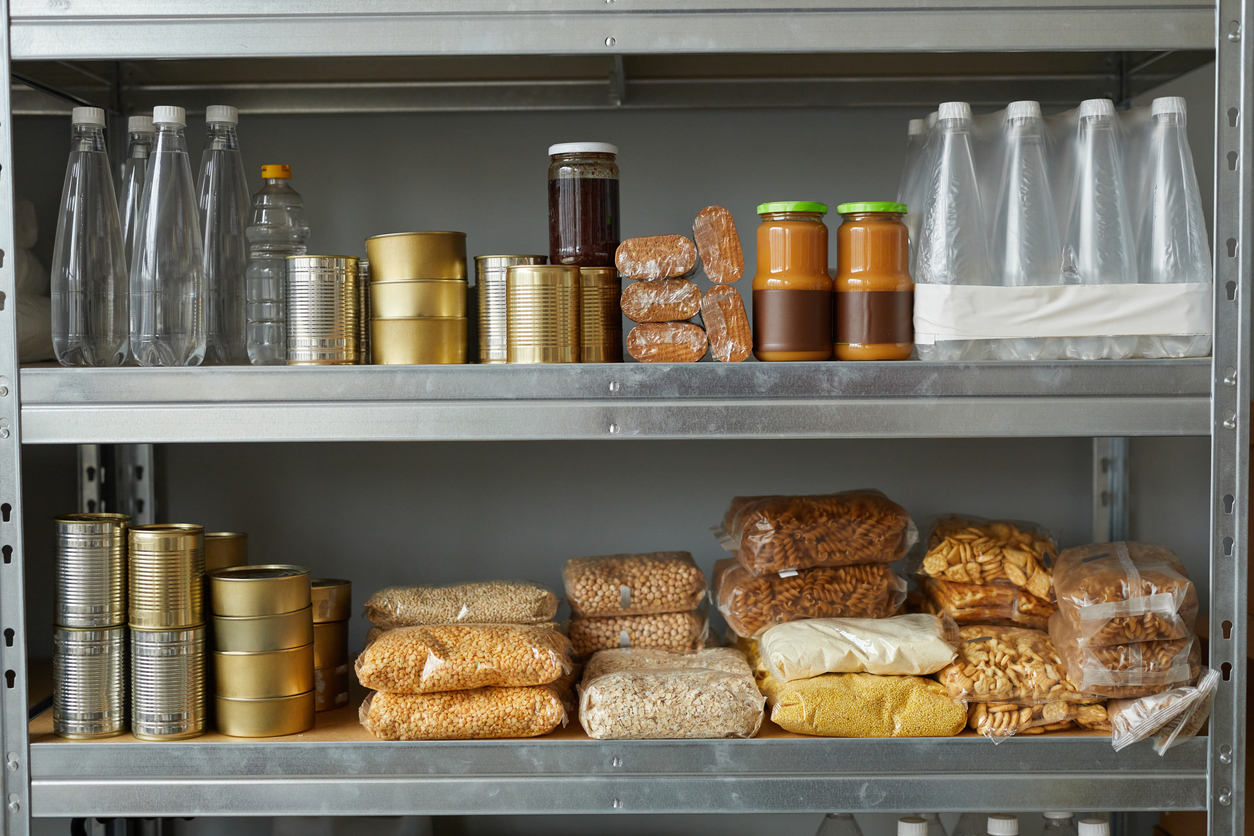
In Nigeria, bulk buying typically focuses on staple foods and fast-moving consumer goods. These include:
- Rice
- Beans
- Garri
- Yam flour
- Cooking oil
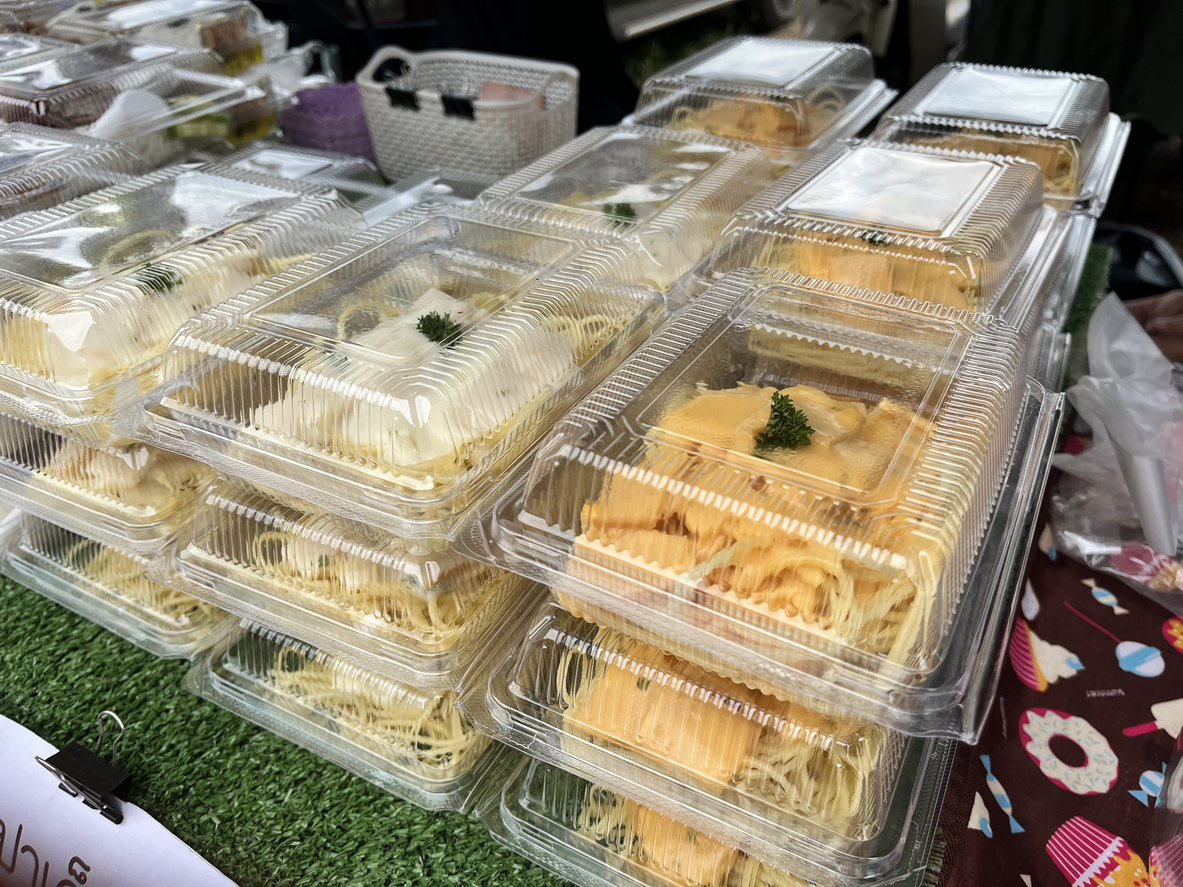
- Pasta and noodles
- Sugar and salt
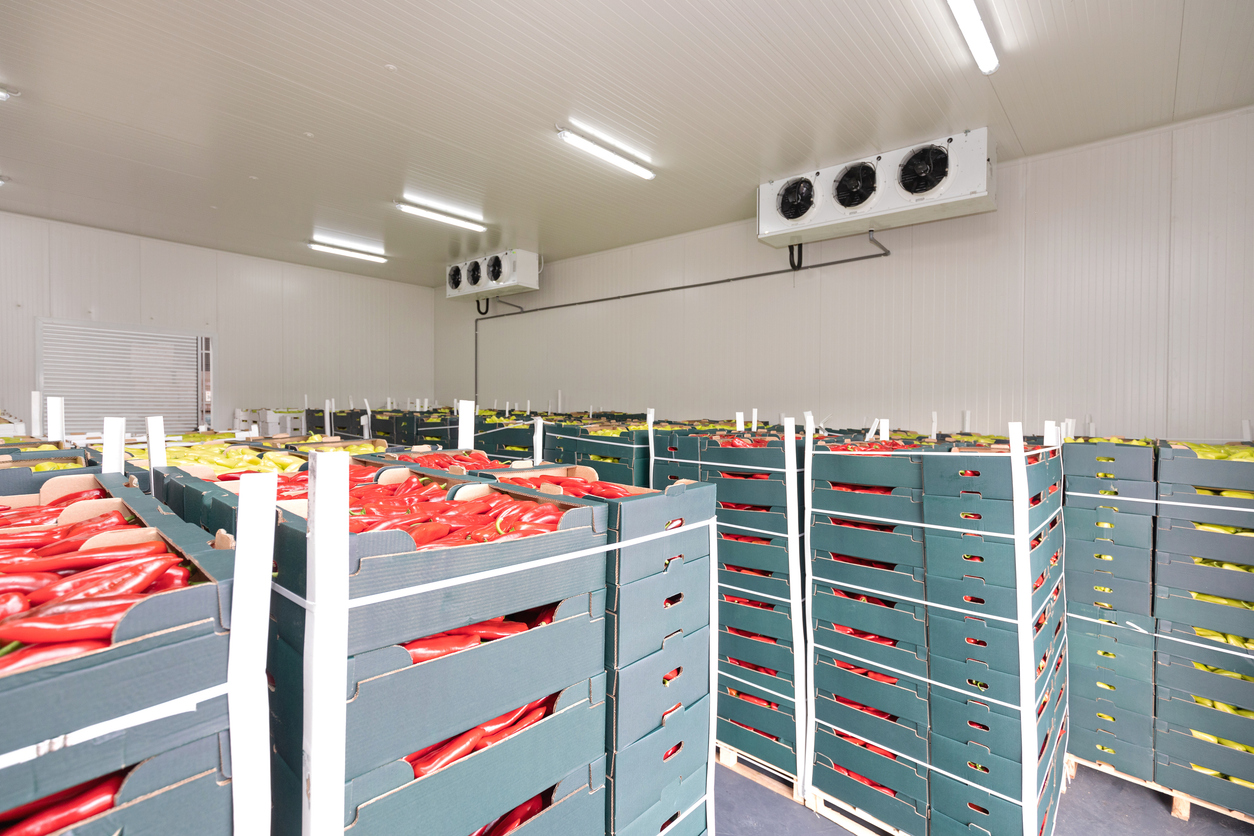
- Frozen foods (for businesses with cold storage)
These products have long shelf lives or high turnover rates, making them suitable for large-scale purchasing.
Challenges of Bulk Buying in Nigeria
While household food bulk buying in Nigeria offers clear advantages, it also comes with challenges that must be carefully managed.
Storage and Preservation
Improper storage can lead to spoilage, pest infestation, or contamination. This is particularly critical for grains and perishable goods.
Solution:
Invest in proper storage facilities such as airtight containers, warehouses, or cold storage systems where necessary.
Quality Control
Buying in bulk increases the risk of receiving substandard or adulterated products, especially when sourcing from informal markets.
Solution:
Work with verified suppliers and conduct quality checks before purchase.
Logistics and Transportation
Transporting bulk goods can be complex due to infrastructure limitations, fuel costs, and delivery delays.
Solution:
Partner with experienced logistics providers who understand local distribution networks.
Price Volatility
Even bulk buyers are not immune to sudden price changes, especially when dealing with imported food items affected by exchange rates.
Solution:
Plan purchases strategically and consider long-term supplier agreements.
How Wigmore Trading Supports Bulk Food Buying
For businesses and large-scale buyers, navigating these challenges requires reliable partners. Wigmore Trading plays a key role in simplifying household food bulk buying in Nigeria through:
- Sourcing: Access to trusted local and international suppliers
- Quality assurance: Ensuring products meet required standards
- Logistics management: Efficient transportation and delivery solutions
- Supply chain coordination: Streamlining procurement from origin to destination
By leveraging established networks and industry expertise, Wigmore Trading helps reduce risks associated with bulk purchasing while improving operational efficiency.
Best Practices for Successful Bulk Buying
To maximise the benefits of bulk purchasing, consider the following strategies:
Plan Based on Demand
Understand your consumption patterns or sales trends before making large purchases. Overstocking can tie up capital and increase storage risks.
Choose Reliable Suppliers
Consistency in quality and delivery is critical. Build long-term relationships with reputable suppliers to ensure stability.
Monitor Storage Conditions
Regularly inspect storage areas to prevent spoilage and maintain product quality.
Diversify Your Supply Sources
Relying on a single supplier can be risky. Having multiple sourcing options improves resilience.
Leverage Professional Support
Working with companies like Wigmore Trading can help streamline sourcing, logistics, and compliance processes, particularly for businesses scaling their operations.
The Future of Bulk Food Buying in Nigeria
As Nigeria’s population continues to grow and urbanisation increases, demand for efficient food distribution systems will rise. Bulk buying will remain a key strategy for managing costs and ensuring food security.
Digital procurement platforms, improved logistics infrastructure, and better supply chain transparency are expected to further enhance the efficiency of bulk purchasing in the coming years.
Businesses that adopt structured bulk buying strategies today will be better positioned to compete in Nigeria’s evolving food market.
Conclusion
Household food bulk buying in Nigeria is a practical and cost-effective approach for managing food supply in a challenging economic environment. However, success depends on proper planning, reliable sourcing, efficient logistics, and quality control.
By addressing common challenges and adopting best practices, both households and businesses can benefit significantly from bulk purchasing. Wigmore Trading can help streamline sourcing, logistics, and supply chain management to make bulk buying more efficient and reliable.
Contact Wigmore Trading today to streamline your sourcing.


Comments are closed.