
How Businesses Can Leverage Blockchain Asset Tokenization in Africa

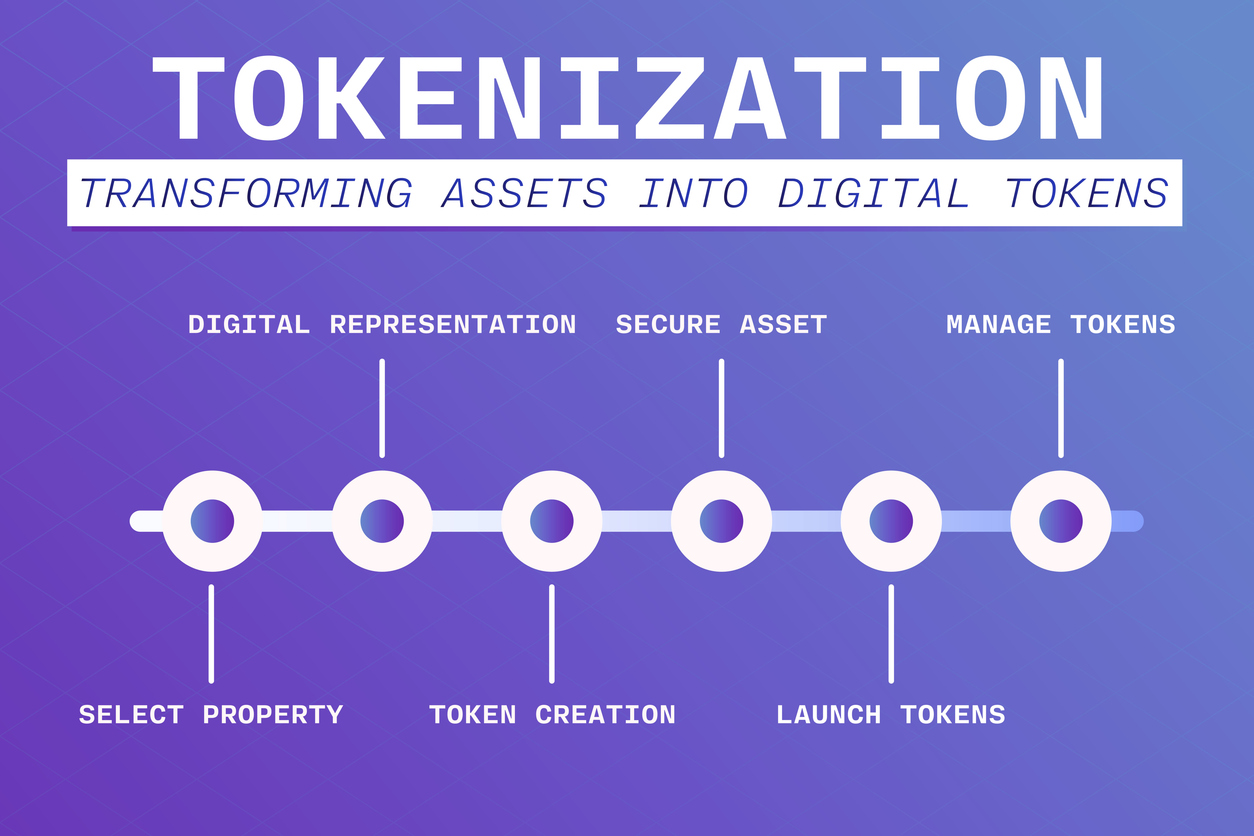
Blockchain technology is reshaping how assets are owned, traded, and financed across global markets. One of its most promising applications is blockchain asset tokenization in Africa, which allows physical and financial assets to be represented as digital tokens on a blockchain.
For African businesses and investors, this innovation has the potential to unlock liquidity, expand access to capital, and modernize traditionally illiquid markets such as real estate, commodities, and infrastructure. As adoption grows, companies involved in trade, logistics, and commodity distribution are beginning to explore how tokenization can enhance transparency and efficiency across supply chains.
Understanding Blockchain Asset Tokenization in Africa
Blockchain asset tokenization in Africa refers to the process of converting ownership rights of real-world assets into digital tokens recorded on a blockchain. These tokens represent fractional ownership and can be traded securely on digital platforms.
Assets that can be tokenized include:
-
Real estate and infrastructure projects
-
Agricultural commodities
-
Mining resources and metals
-
Investment funds and securities
-
Carbon credits and environmental assets
Tokenization makes it possible to divide large assets into smaller units, enabling broader participation from investors who may not have the capital to purchase entire assets.
For example, a commercial warehouse or commodity storage facility could be tokenized, allowing multiple investors to hold fractional ownership while transactions remain transparent and verifiable through blockchain technology.
Why Africa Is Well Positioned for Asset Tokenization
Several factors make blockchain asset tokenization in Africa particularly relevant for the continent’s economic landscape.
Expanding Digital Infrastructure
Mobile connectivity and digital payment adoption are accelerating across Africa. This growing digital ecosystem provides the technological foundation needed for blockchain-based financial solutions.
Large Untapped Asset Markets
Many African assets—such as agricultural production, natural resources, and infrastructure projects—remain underfunded or difficult to invest in due to traditional financing barriers. Tokenization can create new pathways for capital access.
Demand for Transparent Trade Systems
Blockchain can improve transparency in cross-border trade, commodity sourcing, and logistics—areas that are critical to Africa’s import-export economy.
Companies operating in commodity trading or wholesale distribution increasingly view tokenization as a way to track ownership, streamline financing, and reduce disputes across supply chains.
Key Applications of Blockchain Asset Tokenization in Africa
The practical use cases for blockchain asset tokenization in Africa are expanding rapidly.
Tokenized Commodities
Agricultural products, metals, and energy commodities can be tokenized to represent verified ownership or inventory. This can make it easier to trade commodities internationally while maintaining accurate records of supply.
For trading companies and distributors, tokenization may improve traceability and reduce fraud in commodity markets.
Real Estate Investment
Property markets across major African cities often suffer from limited liquidity and complex ownership structures. Tokenization allows real estate assets to be divided into tradable digital shares, making it easier for investors to participate.
Supply Chain Financing
Small and medium-sized enterprises often struggle to access financing for trade transactions. Tokenized assets can serve as digital collateral, enabling faster access to working capital.
For businesses involved in import-export operations, this approach could simplify financing arrangements while improving transparency for lenders and investors.
Challenges Affecting Blockchain Asset Tokenization in Africa
Despite its potential, blockchain asset tokenization in Africa still faces several challenges.
Regulatory Uncertainty
Many African countries are still developing legal frameworks for blockchain and digital assets. Clear regulations will be essential for protecting investors and ensuring market stability.
Infrastructure and Technical Expertise
Although digital adoption is growing, technical knowledge and blockchain infrastructure remain limited in some regions.
Trust and Market Awareness
Businesses and investors need education on how tokenization works, as well as confidence in the security and governance of blockchain platforms.
The Role of Trade and Logistics Companies
Tokenization is closely linked to physical assets such as commodities, storage facilities, and trade infrastructure. This means logistics providers, commodity traders, and distribution companies play an important role in enabling reliable asset-backed systems.
Companies with established supply chains can support tokenization initiatives by providing verified sourcing, inventory management, and transparent logistics processes.
For example, organizations involved in commodity sourcing and international trade can ensure that tokenized assets are backed by real, traceable goods moving through legitimate supply chains.
Wigmore Trading works with businesses across Africa to manage sourcing, commodity distribution, and logistics. By ensuring transparency and compliance within supply chains, companies can create stronger foundations for digital asset initiatives such as tokenization.
The Future of Blockchain Asset Tokenization in Africa
As regulatory clarity improves and digital infrastructure continues to expand, blockchain asset tokenization in Africa is likely to play an increasingly important role in capital markets and international trade.
Tokenized assets could help unlock investment into sectors such as agriculture, energy, infrastructure, and real estate—industries that are central to Africa’s economic growth.
For companies operating in trade and distribution, the integration of blockchain technology may also enhance transparency, reduce operational risks, and create more efficient cross-border transactions.
Businesses that understand both the physical supply chain and emerging digital financial systems will be best positioned to benefit from this shift.
Conclusion
Blockchain asset tokenization offers a powerful new way to connect real-world assets with global investors. By digitizing ownership and improving transparency, blockchain asset tokenization in Africa can help unlock capital, improve trade efficiency, and modernize key industries.
However, success will depend on reliable supply chains, regulatory development, and trusted partners that understand the complexities of African trade.
Wigmore Trading can help businesses navigate sourcing, logistics, and distribution challenges across African markets.
Contact Wigmore Trading today to streamline your sourcing.





Comments are closed.