
How Electrolysis Hydrogen Is Changing African Industry

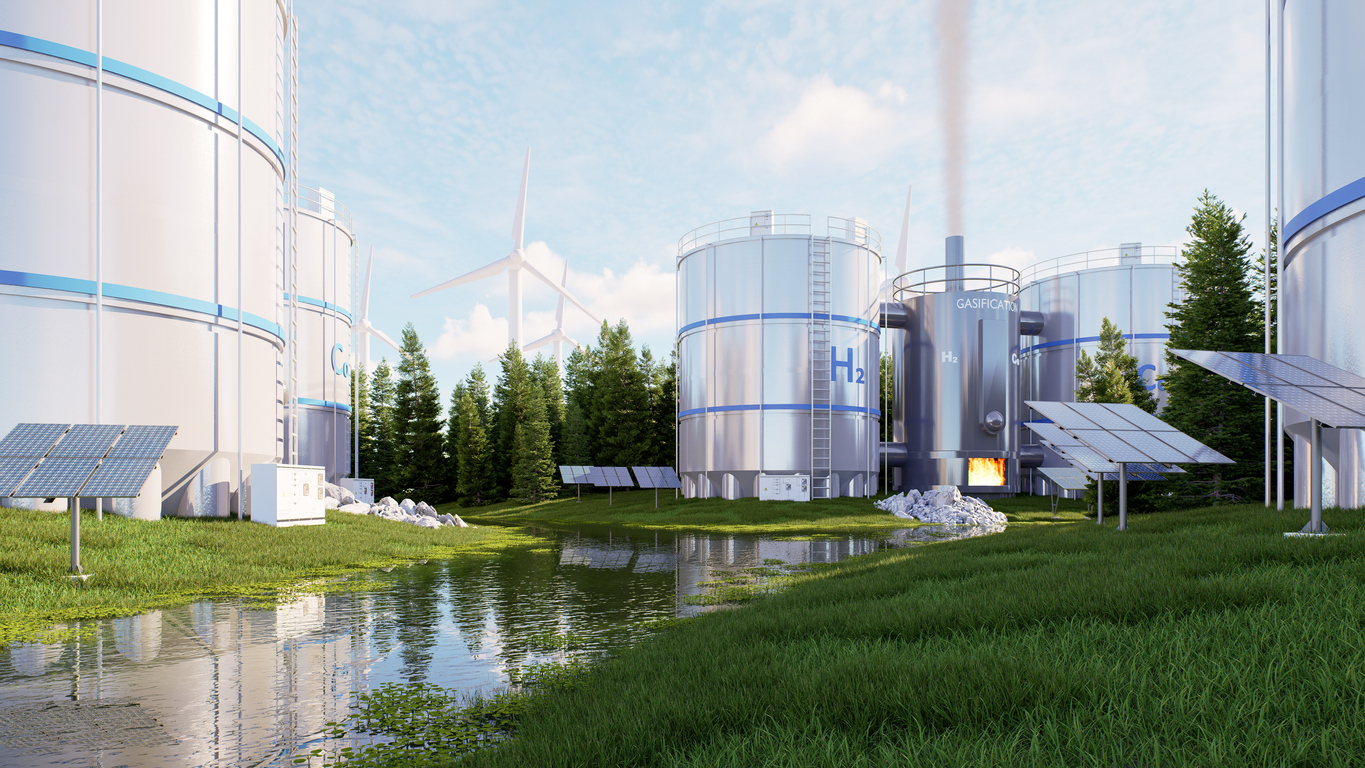
As industries across Africa look for cleaner energy and more resilient supply chains, interest in electrolysis hydrogen is growing fast. From power generation and industrial processes to logistics and mobility, green hydrogen has the potential to reshape how businesses source and use energy—and open new trade opportunities along the way.
Wigmore Trading is uniquely positioned to support companies that want to participate in this emerging value chain, from sourcing equipment to coordinating cross-border logistics in and out of Africa.
What Is Electrolysis Hydrogen and Why Does It Matter?
Electrolysis hydrogen is hydrogen produced by splitting water into hydrogen and oxygen using electricity in an electrolyser. When that electricity comes from renewable sources such as solar, wind, or hydro, the result is “green hydrogen” with near-zero direct carbon emissions.
For African markets—rich in sunlight, growing in grid capacity, and increasingly connected to global trade—this technology offers:
-
A way to monetise renewable resources
-
Cleaner fuel for industry, transport and power
-
New export products for global markets that are decarbonising
Wigmore Trading can help businesses understand the commercial implications of this shift and secure the right inputs, from specialised equipment to bulk chemicals and components.
How Hydrogen Electrolysis Works in Simple Terms
To produce hydrogen via electrolysis, three core elements are needed:
-
Water – Often treated to a specific purity level
-
Electricity – Preferably from renewables to minimise emissions
-
Electrolyser – The unit that actually splits water molecules
Inside the electrolyser, electricity passes through the water, breaking it into hydrogen (H₂) and oxygen (O₂). The hydrogen is captured, dried, and either stored, compressed, or converted into other products like ammonia or methanol.
For industrial buyers, the key questions are usually:
-
What is the cost per kilogram of hydrogen?
-
How reliable is supply?
-
Can the product meet required purity standards?
These are commercial challenges that sit at the intersection of technology, finance, and logistics—areas where partners like Wigmore Trading can streamline sourcing and distribution.
Key Types of Electrolysis Hydrogen Technologies
Alkaline Electrolysis Hydrogen Systems
Alkaline electrolysers use a liquid alkaline solution as electrolyte. They are currently the most mature and widely deployed technology. For project developers and industrial users in Africa, alkaline systems offer:
-
Lower upfront cost compared to newer technologies
-
Proven performance for large-scale hydrogen production
-
Suitability for relatively steady power inputs
Wigmore Trading can support companies that are importing alkaline electrolysis hydrogen systems or related spare parts, helping them navigate customs, documentation, and regional distribution across African markets.
PEM Electrolysis Hydrogen for Flexible Operations
Proton Exchange Membrane (PEM) electrolysers use a solid polymer electrolyte and are better suited to variable renewable power—ideal where solar and wind supply is intermittent. Benefits include:
-
Fast start-up and shut-down times
-
High-purity hydrogen output
-
Compact footprint for space-constrained sites
As more African businesses link hydrogen production directly to solar plants, PEM electrolysis hydrogen solutions are gaining attention. Wigmore Trading can help clients source balance-of-plant components, electrical equipment, and auxiliary systems that integrate PEM units into wider industrial operations.
Industrial Applications of Electrolysis Hydrogen in Africa
Decarbonising Heavy Industry and Manufacturing
Steel, cement, glass, fertiliser, and chemical production all have high energy and heat demands. Hydrogen from electrolysis can be used as:
-
A clean fuel for high-temperature processes
-
A reducing agent in steelmaking
-
A feedstock for ammonia and fertiliser
For manufacturers exploring pilot projects or early-stage deployments, Wigmore Trading can assist with:
-
Importing test-scale electrolysers and associated equipment
-
Sourcing bulk industrial gases and chemicals
-
Coordinating shipments to plants across Nigeria, West Africa and beyond
Wigmore Trading can help ensure that complex, multi-vendor shipments arrive aligned with your project construction schedule.
Hydrogen for Power, Backup and Microgrids
Electrolysis hydrogen can be stored and later used in fuel cells or turbines to generate electricity. This is particularly attractive for:
-
Remote sites and mining operations
-
Critical facilities that require long-duration backup power
-
Microgrids combining solar, batteries, and hydrogen
Wigmore Trading’s experience in FMCG distribution and logistics across difficult terrains translates well into supporting energy developers with spare parts, consumables and equipment movements for these hybrid systems.
Green Fuels for Transport and Logistics
Trucks, buses, port equipment and even ships are gradually moving toward low-carbon fuels. Hydrogen can be used directly in fuel cell vehicles or converted into e-fuels such as green ammonia or methanol.
For logistics operators and fleet owners, hydrogen from electrolysis offers the potential to:
-
Reduce exposure to diesel price volatility
-
Meet tightening emissions requirements
-
Differentiate services with cleaner transport options
As a long-standing player in African trade and distribution, Wigmore Trading can help you evaluate cross-border fuel supply chains and potential hydrogen import/export flows.
Key Challenges in Electrolysis Hydrogen—and Practical Solutions
High Cost of Electrolysis Hydrogen Today
Electrolysis projects can be capital-intensive, and the cost per kilogram of hydrogen is still higher than traditional fossil-based production in many markets. To address this, businesses can:
-
Start with smaller demonstration projects to validate assumptions
-
Target high-value applications first (e.g., premium green products)
-
Optimise logistics and sourcing to reduce overall project costs
Wigmore Trading can help by consolidating shipments, negotiating competitive supply terms for equipment and materials, and optimising routes to reduce delays and demurrage.
Supply Chain Complexity and Reliability
Electrolysers involve many specialised components—membranes, catalysts, power electronics, water treatment systems and more. Delays in any one item can stall a project.
Working with an experienced trading and logistics partner helps to:
-
Coordinate multiple suppliers and shipments through a single point of contact
-
Manage import duties, compliance, and documentation
-
Ensure critical spare parts are stocked or rapidly sourced
Wigmore Trading can help maintain a more resilient supply chain for your electrolysis hydrogen operations across African markets.
Market Uncertainty and Evolving Regulations
Hydrogen policies, incentives, and standards are evolving quickly worldwide. Companies need partners who monitor trends and understand the implications for trade.
While Wigmore Trading is not a policy advisor, our team closely follows developments in global trade, customs requirements, and energy-related standards to keep shipments compliant and competitive.
How Wigmore Trading Supports the Electrolysis Hydrogen Value Chain
From feasibility stage to scaling up operations, Wigmore Trading can support your hydrogen electrolysis projects by:
-
Sourcing and importing equipment – electrolysers, balance-of-plant components, industrial gases and chemicals
-
Coordinating logistics – ocean freight, inland transport, warehousing and distribution across African markets
-
Supporting FMCG and industrial clients – integrating hydrogen-related materials into wider procurement plans
-
Facilitating trade – helping exporters and importers move hydrogen-related products, derivatives and equipment efficiently
Whether you are an energy developer, industrial manufacturer, or logistics operator, Wigmore Trading can help you unlock opportunities in this growing sector.
Get in touch with our team to learn more about sourcing, importing, or distributing hydrogen-related equipment and materials in Africa.




Comments are closed.