
How Letters of Credit for Restricted Regions Support Secure International Trade

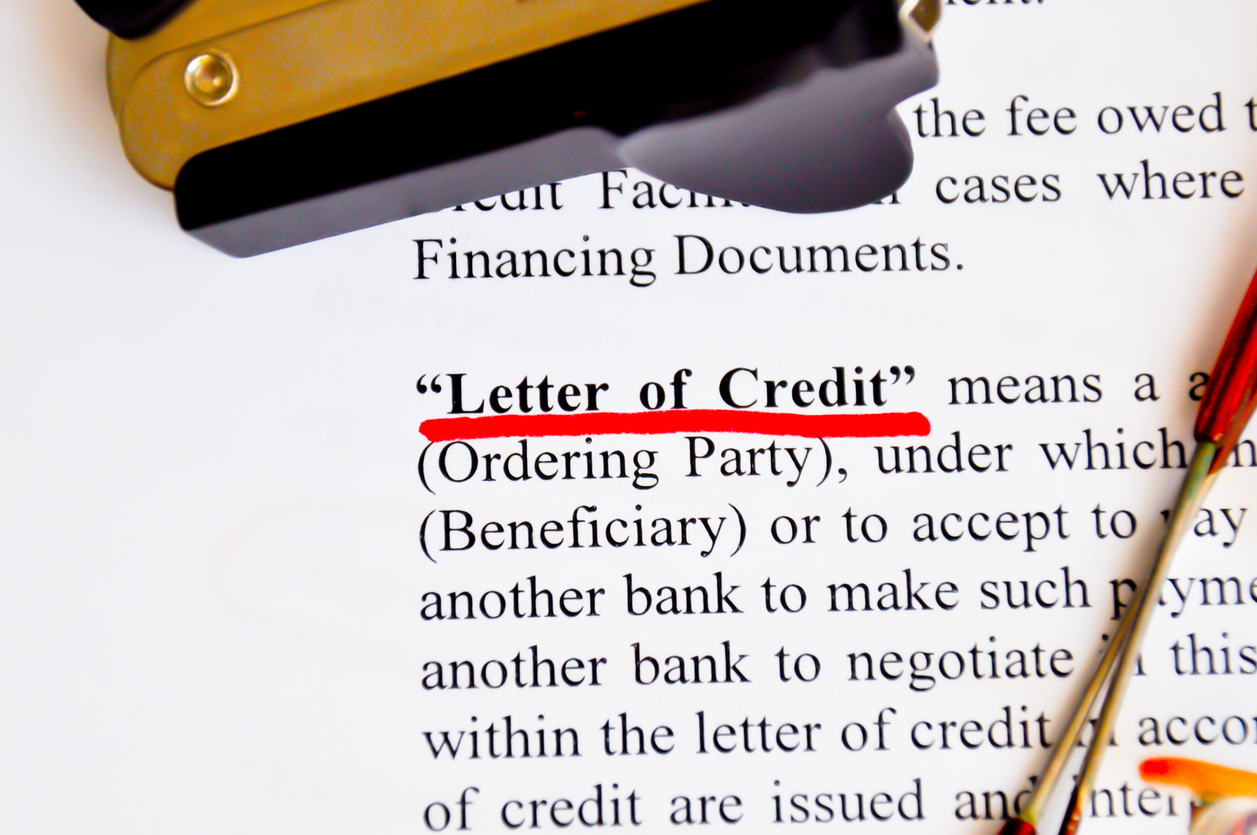
International trade with restricted or high-risk regions often presents unique financial and regulatory challenges. Businesses must manage payment risks, compliance requirements, and logistical uncertainties while ensuring that transactions remain secure and transparent.
One of the most effective tools used to mitigate these risks is letters of credit for restricted regions. By providing financial guarantees between buyers and sellers, letters of credit help facilitate trade in environments where traditional payment methods may be considered too risky.
For companies involved in import/export, wholesale distribution, and African trade, understanding how these instruments work can significantly improve the reliability of cross-border transactions.
Understanding Letters of Credit for Restricted Regions
A letter of credit (LC) is a financial instrument issued by a bank on behalf of a buyer that guarantees payment to a seller once specified trade conditions are met.
When dealing with restricted regions, letters of credit become particularly important because financial institutions and businesses must carefully manage regulatory, political, and payment risks.
Restricted regions may include countries that face:
-
Trade sanctions or partial economic restrictions
-
Banking limitations or currency instability
-
Political or economic volatility
-
Limited access to international payment networks
In these situations, letters of credit provide assurance that payment will be completed if contractual obligations are fulfilled.
Banks act as neutral intermediaries, ensuring that both parties meet agreed documentation and shipping requirements before funds are released.
Why Letters of Credit Are Important in Restricted Regions
Trading with restricted markets introduces a higher level of financial uncertainty. Letters of credit help reduce this risk by introducing structured payment security.
Key benefits include:
Payment Security for Exporters
Exporters face significant risk when shipping goods to unfamiliar markets. Letters of credit ensure that payment will be made as long as all required documents are presented.
This reduces the risk of non-payment and helps businesses confidently enter new markets.
Protection for Importers
Importers also benefit because payment is only released once shipment documentation is verified. This ensures that goods have been shipped according to the agreed terms.
Risk Mitigation in Challenging Banking Environments
Some restricted regions have banking systems that may not fully support international payment mechanisms.
Letters of credit allow transactions to move through internationally recognized banking institutions, reducing exposure to unreliable financial systems.
Compliance and Documentation Control
Transactions involving restricted regions often require strict compliance checks. Letters of credit require clear documentation, which helps ensure regulatory transparency.
Types of Letters of Credit Used in Restricted Regions
Several types of letters of credit are commonly used in complex or restricted trade environments.
Confirmed Letters of Credit
A confirmed letter of credit includes an additional guarantee from a second bank, typically located in the exporter’s country.
This provides extra security if the issuing bank operates in a region with higher financial risk.
Standby Letters of Credit
Standby letters of credit act as a backup payment guarantee if the buyer fails to meet payment obligations.
They are commonly used in long-term supply agreements or infrastructure projects.
Transferable Letters of Credit
Transferable letters of credit allow intermediaries or trading companies to transfer payment rights to suppliers.
This structure is frequently used in global supply chains involving multiple participants.
Back-to-Back Letters of Credit
These letters of credit are often used by trading firms or intermediaries who rely on a primary LC from the buyer to issue another LC to the supplier.
This approach supports complex supply chains involving multiple production sources.
Compliance Considerations for Letters of Credit in Restricted Regions
Because restricted regions may be subject to sanctions or regulatory controls, businesses must carefully manage compliance when issuing or accepting letters of credit.
Important considerations include:
-
Screening counterparties against international sanctions lists
-
Ensuring goods comply with export regulations
-
Verifying that financial institutions are authorized to process transactions
-
Maintaining accurate shipping and trade documentation
Failure to comply with regulatory requirements can lead to delayed shipments, financial penalties, or cancelled transactions.
For this reason, many companies rely on experienced trade intermediaries to help manage documentation and regulatory oversight.
Logistics and Documentation Challenges in Restricted Markets
Even when payment security is established through letters of credit, logistics can still present obstacles in restricted regions.
Common challenges include:
-
Limited shipping routes
-
Port congestion or inspection delays
-
Additional customs scrutiny
-
Currency restrictions affecting payment settlement
Careful coordination between logistics providers, customs agents, and financial institutions is essential to ensure that trade documentation matches LC requirements.
If documentation does not precisely match the terms of the letter of credit, banks may refuse payment.
How Wigmore Trading Supports Trade with Restricted Regions
Companies trading in complex markets often benefit from experienced partners who understand both logistics and financial compliance.
Wigmore Trading works with businesses across Africa and international markets to support:
-
Global product sourcing
-
Import and export logistics
-
Supply chain coordination
-
Documentation management
-
Regulatory compliance support
By helping businesses align trade documentation with shipping processes and banking requirements, Wigmore Trading can assist companies in navigating the complexities associated with letters of credit for restricted regions.
This coordinated approach helps reduce delays, improve compliance, and ensure smoother cross-border transactions.
Conclusion
Trading with restricted or high-risk markets requires careful financial planning and strict adherence to international trade regulations. Letters of credit provide a reliable framework that protects both buyers and sellers while enabling secure international transactions.
When properly structured, letters of credit for restricted regions help businesses manage payment risk, improve compliance, and maintain confidence when entering challenging markets.
With the right combination of financial safeguards, logistics coordination, and documentation management, companies can successfully expand trade into new regions while minimizing exposure to financial uncertainty.
Wigmore Trading can help. Contact Wigmore Trading today to streamline your sourcing.




Comments are closed.