
How the Grangemouth Power Station Closure Is Reshaping Energy and Supply Chains

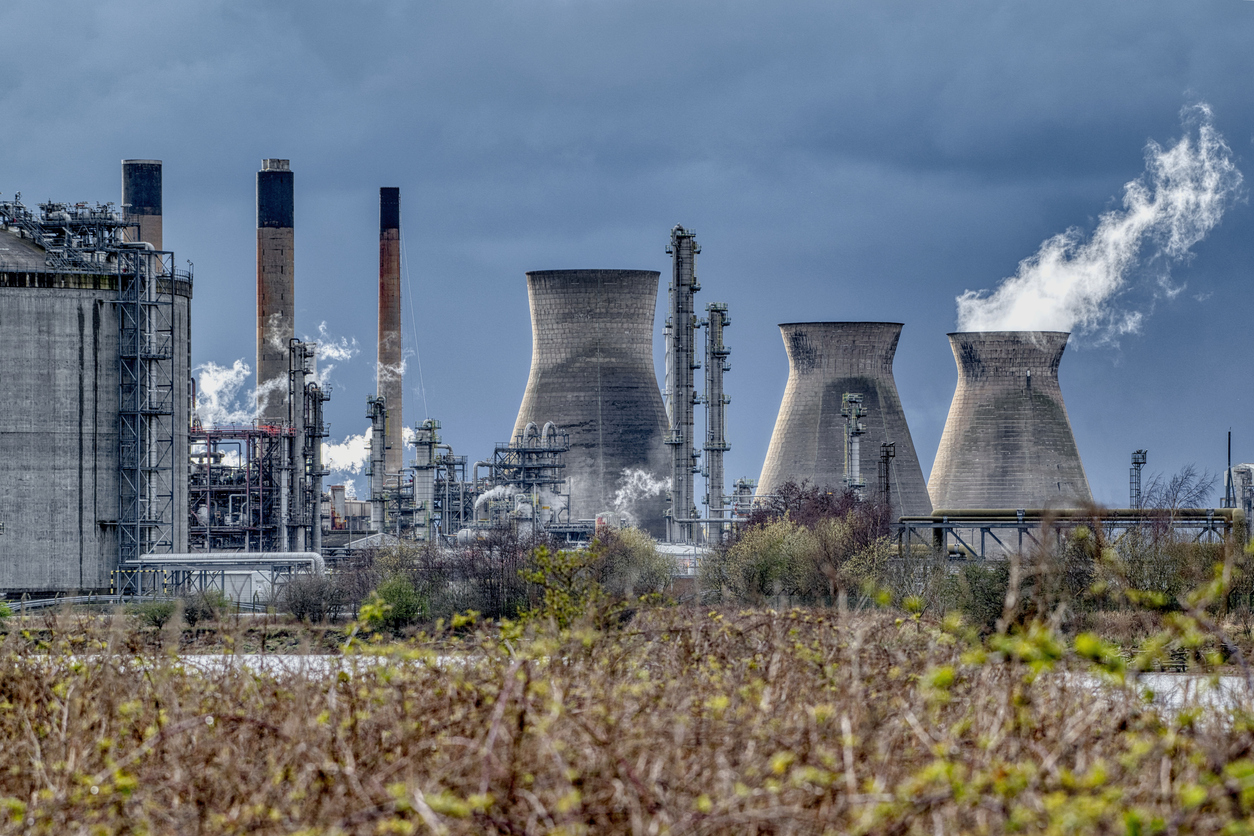
Grangemouth Power Station has long played a critical role in Scotland’s industrial and energy landscape. Located near the Grangemouth petrochemical complex, the station has supported heavy industry, manufacturing, and regional power stability for decades. However, with its planned closure and the UK’s broader transition away from fossil fuels, businesses across energy-intensive sectors are reassessing supply chains, costs, and operational resilience.
For companies involved in import/export, manufacturing, logistics, and FMCG, the implications go far beyond electricity generation.
Understanding the Role of Grangemouth Power Station
Grangemouth Power Station has historically provided flexible power generation, supporting both the national grid and nearby industrial users. Its proximity to one of the UK’s largest petrochemical hubs made it strategically important for:
-
Energy-intensive manufacturing
-
Refining and chemical processing
-
Industrial logistics and warehousing
-
Supporting grid stability during peak demand
The station’s gradual wind-down reflects wider UK and European energy policy shifts focused on decarbonisation, cost efficiency, and long-term sustainability.
Why the Closure of Grangemouth Power Station Matters
The closure of Grangemouth Power Station is not an isolated event. It highlights several structural challenges facing industry:
-
Rising energy costs as legacy infrastructure is retired
-
Increased reliance on imports of energy, fuels, and raw materials
-
Greater exposure to supply chain disruptions
-
Pressure on manufacturers to adapt to new energy and sourcing models
For businesses operating across the UK, Europe, and Africa, energy transitions in developed markets often have knock-on effects on global commodity flows and trade patterns.
Impact on Manufacturing and Industrial Supply Chains
Manufacturers near Grangemouth and across the UK may face higher operating costs as power generation shifts toward alternative sources. This can influence decisions around:
-
Where goods are produced
-
Which markets are most cost-effective for sourcing
-
How logistics and warehousing are structured
As domestic energy capacity tightens, many companies look internationally for more competitive input costs, including raw materials, fuels, and semi-finished goods.
This is where experienced international trading partners become essential.
Opportunities in Global Energy and Commodity Trade
While the closure of Grangemouth Power Station presents challenges, it also creates opportunities. Demand is growing for:
-
Imported fuels and energy-related commodities
-
Industrial raw materials from emerging markets
-
Alternative energy inputs such as biofuels and refined petroleum products
-
Cost-efficient sourcing from Africa and other high-growth regions
Wigmore Trading works with businesses navigating these shifts by connecting them to reliable suppliers across Africa and global markets. Our experience in commodity sourcing, logistics coordination, and regulatory support helps mitigate risks associated with changing energy and industrial landscapes.
How Wigmore Trading Supports Businesses During Energy Transitions
Energy transitions often expose weaknesses in supply chains, from overreliance on single suppliers to limited logistics flexibility. Wigmore Trading helps address these issues by offering:
-
Diversified sourcing strategies for fuels, commodities, and industrial inputs
-
End-to-end logistics support, including freight, documentation, and customs coordination
-
Market intelligence on emerging supply opportunities in African and global markets
-
Risk mitigation, helping businesses adapt to price volatility and supply uncertainty
Rather than reacting to disruptions after they occur, companies that proactively restructure sourcing and logistics are better positioned for long-term resilience.
Relevance for African Trade and Emerging Markets
The decline of traditional power stations like Grangemouth Power Station also underscores the growing importance of emerging markets in global trade. Africa, in particular, is becoming a key supplier of:
-
Energy-related commodities
-
Industrial minerals and raw materials
-
Agricultural inputs used by FMCG and manufacturing sectors
Wigmore Trading specialises in facilitating trade between African producers and international buyers, ensuring quality assurance, compliance, and timely delivery.
Preparing for a Post-Grangemouth Industrial Landscape
Businesses affected directly or indirectly by the closure of Grangemouth Power Station should consider:
-
Reviewing energy exposure across their supply chain
-
Identifying alternative sourcing regions for key inputs
-
Strengthening logistics partnerships to reduce disruption risks
-
Working with experienced trading firms to navigate new markets
Energy infrastructure may change, but demand for reliable goods, materials, and logistics will remain constant.
Wigmore Trading can help businesses adapt by providing practical sourcing and trade solutions tailored to evolving market conditions.
Get in touch with our team to learn more about how we support resilient, cost-effective global supply chains.



Comments are closed.