
How to Become a Rice Distributor in Nigeria
Talk to us about this service
Trade, import, logistics, sourcing — whatever you're planning, the fastest way to a quote is a WhatsApp message. Our team replies during Lagos business hours.
WhatsApp usYour message tells us which page you came from
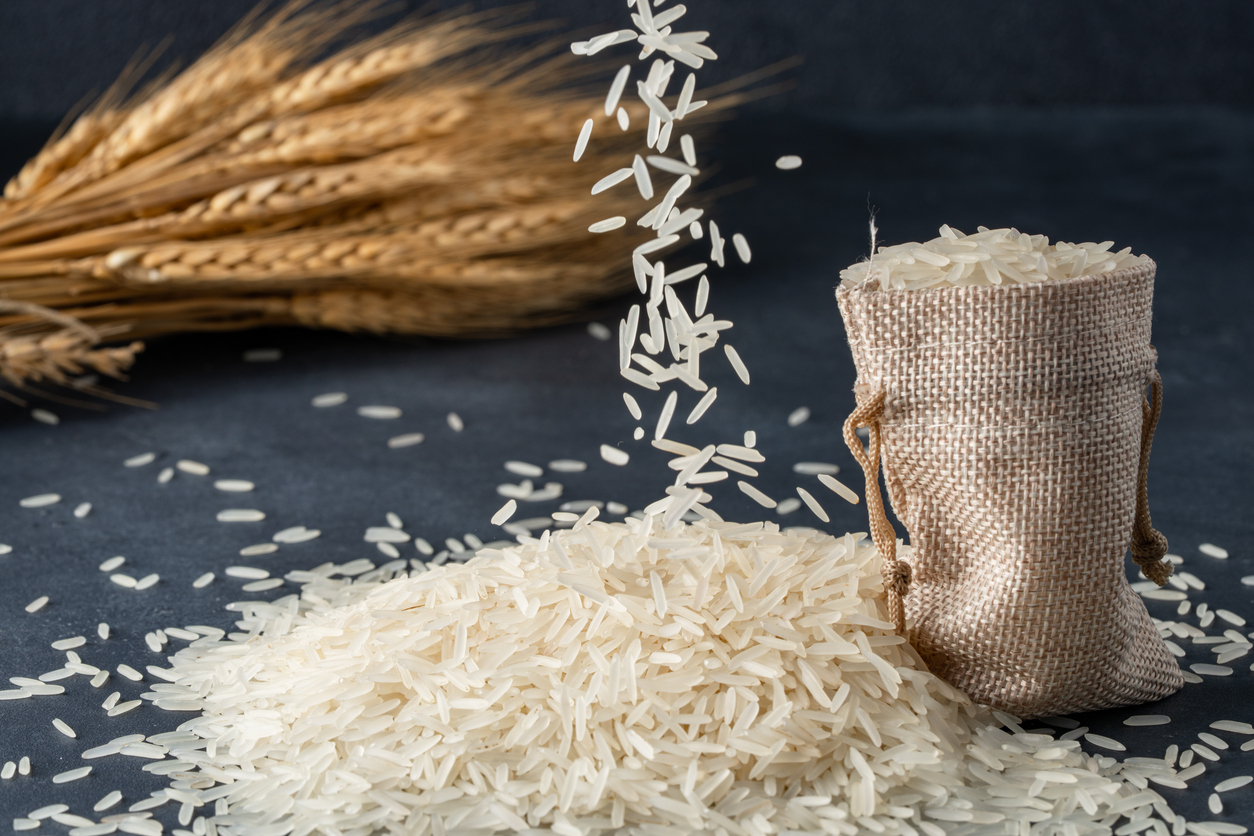
Rice remains one of the fastest-moving food commodities in Nigeria. From open markets and foodstuff stores to supermarkets, restaurants, caterers, schools, hotels, and relief supply contracts, demand is consistent across urban and rural markets. For entrepreneurs asking how to become a rice distributor in Nigeria, the real opportunity is not just buying bags of rice and reselling them. It is building a reliable supply chain that can handle price changes, quality expectations, transport delays, and bulk buyer demands.
Nigeria’s rice market is highly competitive, but distributors who understand sourcing, storage, logistics, and customer reliability can build a profitable business. Packaged and imported food products in Nigeria are also subject to regulatory oversight, including NAFDAC rules covering food products manufactured, imported, sold, or distributed in the country. (NAFDAC)
Start With the Type of Rice Market You Want to Serve
Before registering a business or renting a warehouse, decide what segment of the rice trade you want to enter. A rice distributor in Nigeria can operate in several ways:
- Supplying retailers and market traders
- Selling to supermarkets and mini-marts
- Supplying restaurants, caterers, hotels, and schools
- Handling bulk orders for NGOs, government contractors, or corporate buyers
- Distributing locally milled rice from Nigerian producers
- Working with importers, wholesalers, or commodity trading companies
Each market has different expectations. Retailers often want fast-moving 25kg and 50kg bags at competitive prices. Hotels and restaurants may focus more on grain quality, cleanliness, aroma, and consistency. Institutional buyers usually care about volume, documentation, delivery timelines, and payment terms.
Register the Business and Get the Right Documentation
A serious rice distribution business should be properly registered with the Corporate Affairs Commission. This makes it easier to open a business bank account, work with suppliers, issue invoices, access financing, and bid for corporate supply contracts.
Depending on your business model, you may also need:
- Tax Identification Number
- Supplier agreements
- Warehouse lease documents
- Product documentation from manufacturers or importers
- NAFDAC-related documentation for packaged rice
- Import or customs documents if you are involved in direct importation
Nigeria’s import process can involve destination inspection and documentation requirements, and delays may occur during cargo clearance. (Trade.gov) This is one reason many new distributors prefer to begin by sourcing from established importers, millers, or wholesale commodity suppliers before attempting direct importation.
Choose Reliable Rice Suppliers, Not Just Cheap Ones
One of the biggest mistakes new distributors make is choosing suppliers based only on price. Cheap supply can become expensive if the rice has mixed grains, poor packaging, moisture issues, short weight, delayed delivery, or inconsistent availability.
Before choosing a rice supplier, check:
- Grain type and quality consistency
- Bag weight accuracy
- Packaging strength
- Delivery capacity
- Minimum order quantity
- Payment terms
- Supplier reputation
- Ability to handle repeat orders
- Documentation and compliance status
For businesses that want to reduce sourcing risk, Wigmore Trading supports procurement, commodity sourcing, wholesale supply, and logistics coordination across Nigeria and West Africa. This is especially useful for buyers who need consistent bulk supply rather than one-off market purchases.
Understand Pricing, Margins, and Working Capital
Rice distribution depends heavily on working capital. Prices can shift due to exchange rates, fuel costs, harvest seasons, import policy changes, port delays, and general food inflation. A distributor must price carefully enough to remain competitive while protecting margins.
Typical cost factors include:
- Purchase price per bag
- Loading and offloading charges
- Transport from supplier or port area
- Warehousing
- Market levies or local handling costs
- Damaged bags or weight loss
- Credit sales risk
- Delivery costs to customers
Do not calculate profit only by subtracting buying price from selling price. A distributor moving rice from Lagos to Ibadan, Abuja, Port Harcourt, Kano, or Onitsha must factor transport delays, diesel prices, driver costs, and possible delivery losses.
Plan Warehousing and Inventory Properly
Rice must be stored in a clean, dry, well-ventilated space. Poor storage can lead to moisture damage, pest infestation, torn bags, customer complaints, and rejected deliveries.
A practical warehouse setup should include:
- Pallets to keep bags off the floor
- Protection from rain and humidity
- Pest control
- Clear stock records
- Separate stacking by brand, size, and delivery batch
- Easy loading access for trucks or vans
Inventory discipline matters. If you supply retailers, restaurants, or institutions, running out of stock during peak demand can damage trust quickly. At the same time, overstocking during unstable pricing periods can tie down capital.
Build Distribution Channels Before Buying Too Much Stock
Many new distributors rush to buy a full truckload without first securing customers. A better approach is to identify demand before scaling stock volume.
Start with:
- Foodstuff retailers
- Market women and traders
- Caterers and restaurants
- Supermarkets
- Estate mini-marts
- Schools and religious institutions
- Corporate procurement teams
Offer clear pricing, delivery options, and minimum order quantities. For bulk buyers, reliability matters as much as price. If you can deliver the right quantity, at the agreed time, with consistent quality, customers are more likely to repeat orders.
Prepare for Logistics and Delivery Challenges
Distribution in Nigeria is often won or lost through logistics. Lagos traffic, Apapa and Tin Can Island congestion, truck availability, bad roads, fuel price changes, and regional delivery delays can affect supply commitments.
If you are distributing beyond your immediate city, work with trusted transporters and keep customers informed about lead times. Businesses that supply across West African trade corridors need even stronger planning around documentation, border procedures, warehousing, and last-mile delivery.
Wigmore Trading helps businesses coordinate procurement and logistics for bulk commodities, FMCG products, and wholesale supply, making it easier for distributors and institutional buyers to manage sourcing and delivery more efficiently.
Scale With Systems, Not Guesswork
Once orders become regular, use simple systems to track:
- Customer orders
- Supplier prices
- Stock movement
- Delivery dates
- Outstanding payments
- Profit per trip or batch
- Damaged or returned stock
Rice distribution can become profitable when volume increases, but growth without records often leads to cash flow problems. Keep business and personal money separate, negotiate better supplier terms, and avoid giving credit without a clear repayment structure.
Turning Rice Distribution Into a Reliable Business
Learning how to become a rice distributor in Nigeria is really about understanding supply reliability, customer trust, logistics, and working capital. The market is large, but success depends on more than demand. You need dependable sourcing, proper documentation, good storage, realistic pricing, and reliable delivery.
For businesses looking to source rice in bulk, improve procurement, or build a more dependable food supply chain, Wigmore Trading can support with wholesale supply, commodity sourcing, import/export coordination, warehousing, and logistics solutions across Nigeria and Africa.



Comments are closed.