
How to Build Export Processing Zone Nigeria

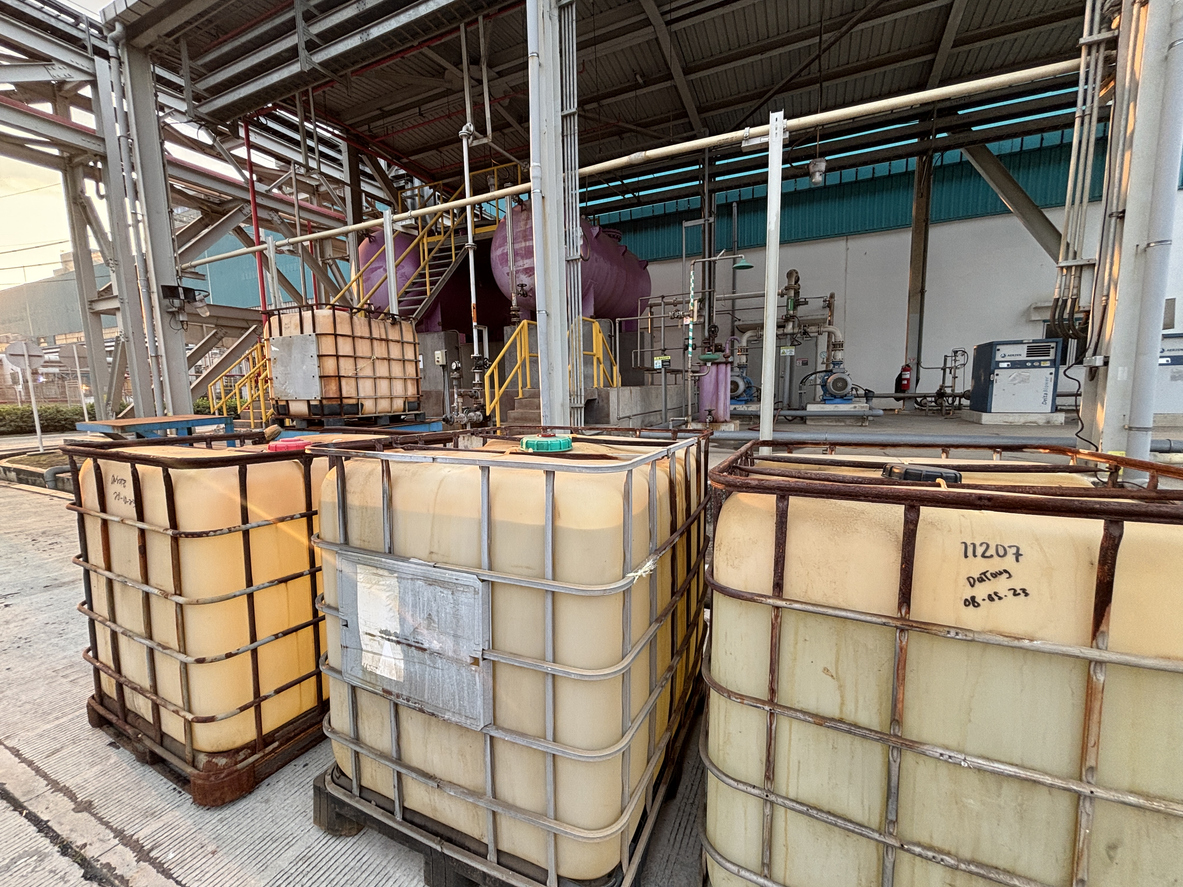
Building an export processing zone in Nigeria can create long-term value for investors, manufacturers, logistics operators, and trading businesses that want a stronger base for export-led operations. In Nigeria, export processing zones are generally regulated as free zones under the Nigeria Export Processing Zones Authority (NEPZA). NEPZA describes a free zone as a designated area treated as outside the customs territory for certain production and trade purposes, which is why the structure, approvals, and operating model matter from the beginning.
For companies researching how to build export processing zone Nigeria, the first point is understanding that this is not simply a real estate or warehouse project. It is a regulated investment and infrastructure project that requires government approval, a suitable site, clear operating plans, and a practical strategy for customs, utilities, transport, and tenant attraction. NEPZA states that promoters or developers follow a six-step setup process that starts with application submission and ends with official declaration of the free zone.
The process begins with a formal application to NEPZA. According to NEPZA’s published setup guidance, the promoter submits an application letter, supporting documents, and evidence of payment for processing. NEPZA then conducts an internal review, followed by a site inspection of the proposed location. If the project is considered viable, it moves through recommendation stages to the Minister and then to the President for final approval, after which a Free Zone Declaration License may be issued.
In practice, that means investors need to prepare far more than a concept note. A credible proposal should show the economic purpose of the zone, expected industries, land plan, infrastructure model, governance structure, and projected impact on trade and employment. Site selection is especially important. An export processing zone should be positioned with access to ports, major roads, industrial clusters, and labour. Without strong transport links, even a properly licensed zone can struggle to attract manufacturers, assemblers, or exporters.
Developers should also think carefully about utility readiness. Many zone projects face delays because roads, power, water, drainage, security systems, and warehousing plans are treated as secondary issues rather than core infrastructure. For export-oriented businesses, operational reliability matters as much as regulatory approval. A zone that cannot support steady production, cargo movement, and secure storage will have difficulty competing for tenants.
Another key issue is compliance design. Because free zones interact with customs, trade rules, and operational licensing, investors should build compliance into the project early rather than fixing it later. Governance, documentation, customs processes, tenant onboarding, and operating procedures should all be mapped before launch. NEPZA’s FAQ also shows that establishment involves submission of supporting documents, project location assessment, and formal approval routing through the Ministry of Industry, Trade and Investment to the Presidency.
Commercial viability matters just as much as compliance. A successful export processing zone needs a clear target market. Some projects are better designed for light manufacturing and packaging, while others may suit agro-processing, FMCG distribution, re-export trade, or integrated logistics services. Investors should define which businesses the zone is meant to serve and then align land use, warehousing, transport access, and support services around that model.
This is also where experienced trade and logistics partners can make a difference. Wigmore Trading operates in Nigeria across logistics, warehousing, wholesale, and distribution services, and also provides customs clearance and documentation support through its transport and logistics offering. That kind of operational experience is valuable when a new zone developer needs practical input on cargo flows, storage design, sourcing support, and distribution planning.
For example, a new zone may need help structuring inbound sourcing, warehouse operations, last-mile distribution, or export shipping workflows. Wigmore Trading’s warehousing, logistics, and broader supply chain capabilities can support businesses that want to move from regulatory approval to actual commercial activity without avoidable bottlenecks.
In summary, the answer to how to build export processing zone Nigeria is not just “get a licence.” It means building a viable, compliant, infrastructure-ready, and commercially useful free zone under NEPZA’s approval process. The strongest projects combine sound regulation, good location, reliable logistics, and a realistic tenant strategy from day one. Wigmore Trading can help. Contact Wigmore Trading today to streamline your sourcing.



Comments are closed.