
Buy from Kenya: Tea, Coffee, Avocados, Flowers and What Kenya Does Not Produce
Talk to us about this service
Trade, import, logistics, sourcing — whatever you're planning, the fastest way to a quote is a WhatsApp message. Our team replies during Lagos business hours.
WhatsApp usYour message tells us which page you came from
Buy from Kenya: tea, coffee, fruit and flowers, by grade
Many people search for cocoa or palm oil “from Kenya”. Kenya doesn’t grow either at export scale. What it does sell to the world, and sells very well, is tea, coffee, avocados, cut flowers, macadamia and soda ash. If you came for cocoa or palm oil, skip to the box below for where to buy them instead.
Kenya is not a cocoa or palm oil producer, so “Kenyan cocoa” offers are usually re-exports or scams. For cocoa, buy from West Africa: see our commodities page. For palm oil, West Africa and South-East Asia are the sources; we can quote both.
What Kenya really exports
Black tea (CTC)
Bought at the weekly Mombasa auction or direct from factories, by grade (BP1, PF1, PD, D1).
Food & beverages →
Arabica coffee
Washed arabica from Mount Kenya and Kiambu, sold through the Nairobi Coffee Exchange or direct sales.
Coffee beans →
Avocados, mangoes & green beans
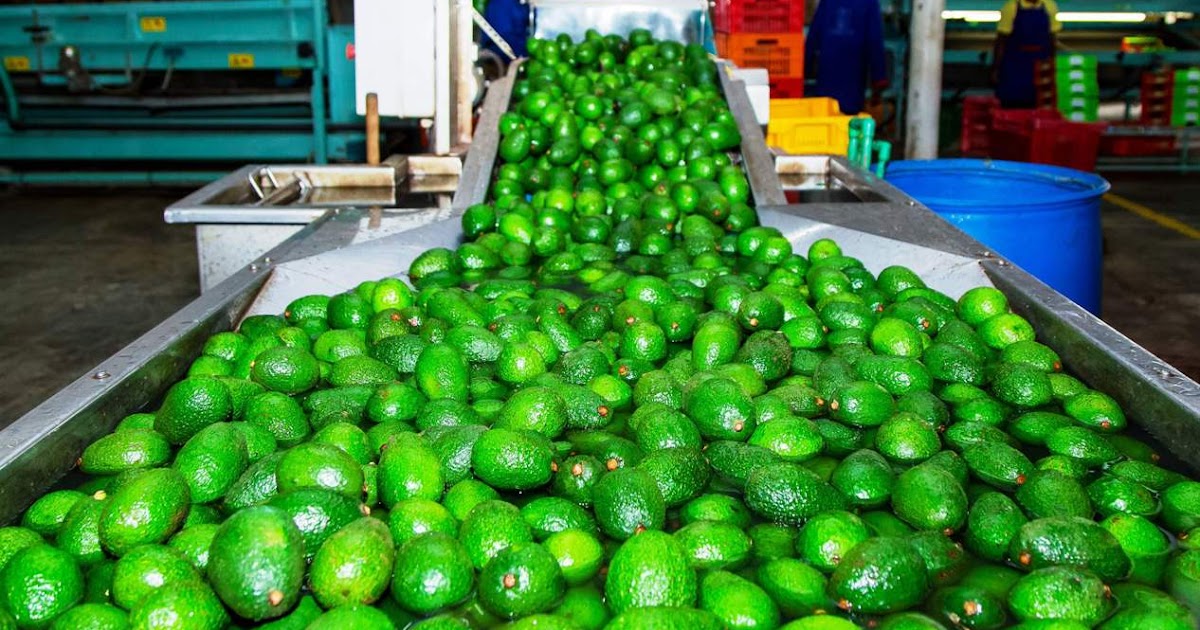
Hass and Fuerte avocados in reefer containers, plus fresh produce by air.
Agriculture & raw materials →
Macadamia & cashew
Kernel and in-shell, from the central highlands and the coast. Export rules on raw nuts change, so we check the current position.
Agriculture & raw materials →
How we buy in Kenya
Product, grade, volume and destination.
Through licensed brokers at the Mombasa tea auction and the coffee exchange, and accredited packhouses.
Tea and coffee samples are tasted and graded before you commit.
Phytosanitary certificate, certificate of origin and any buyer certifications.
Reefer or dry container from Mombasa, or air freight from Nairobi.
Ask for Kenyan supply
Tell us what you need. We reply with grades, samples and prices.
Your request opens in WhatsApp or your email app, ready to send. Nothing is stored on this page.
Questions buyers ask us
Does Kenya export cocoa?
How is Kenyan tea sold?
Can you send coffee samples first?
How are avocados shipped from Kenya?
Our sourcing hubs
Buying from Kenya?
Tell us the product and grade. We send samples and prices.
Tea, avocado and horticulture enquiries: what to send
If you need a tea exporter in Kenya, specify the tea type, grade, intended use, sample requirements, packaging and destination market. A blender buying bulk tea has a different brief from a retailer seeking finished branded packs. Agree the sample approval process, lot identification and whether a repeat order must match a particular sensory profile.
For an avocado exporter or horticulture supplier in Kenya, state variety, size or count, maturity requirements, grade, pack format and delivery programme. Define acceptable defects and how quality will be checked at dispatch and arrival. Harvest timing and the condition of the produce at packing can affect the eventual customer experience as much as the freight schedule.
Cold chain logistics in Kenya
Plan the complete journey from collection to the receiving facility, including packhouse handling, pre-cooling where appropriate, storage and transfer points. The correct temperature and atmosphere depend on the product, variety, maturity and route; do not apply one generic setting to all produce. Agree monitoring and the decision process for delays or temperature excursions before dispatch.
Check the importing country’s plant-health and food-safety requirements with the exporter and relevant authorities. KEPHIS provides phytosanitary inspection and certification services for qualifying consignments. A phytosanitary certificate addresses specified plant-health requirements; it does not replace all destination food-safety checks or private buyer certifications. See KEPHIS phytosanitary services for the official route.
Build a comparable delivered quotation
Ask who is responsible for farm aggregation, packing, inspection, export documents, freight and destination handling. Compare the same grade, pack weight and delivery basis. An attractive price per carton can conceal a different fruit count or an excluded logistics stage. For a first order, agree a realistic trial shipment and a documented review before scaling the programme.
Wigmore can discuss supplier sourcing and a defined delivery enquiry. Send your product specification, weekly or monthly volume, destination and desired arrival window. Continue with our cold chain freight planning guide, food processing equipment guide or irrigation and greenhouse sourcing guide for related project needs.
Prepare your enquiry: five-point checklist
Use this checklist before contacting our team. It works locally on this page and does not submit your details.
Talk to Wigmore Trading about your requirement
Tell us what you need, the quantity or project size, and where it must be delivered. Our team can assess the sourcing and logistics scope and explain what information is needed for a written quotation. Availability, price, approvals and delivery commitments are confirmed for the particular offer.
Book a 15-minute consultationEmail your requirements
Related support: warehousing · shipping and logistics · distribution enquiries.
Buyer guidance reviewed 24 October 2026. Images illustrate the subject and do not establish a particular machine, facility or lot as available stock.

Comments are closed.