
How to Buy and Export Palm Oil from Kenya.

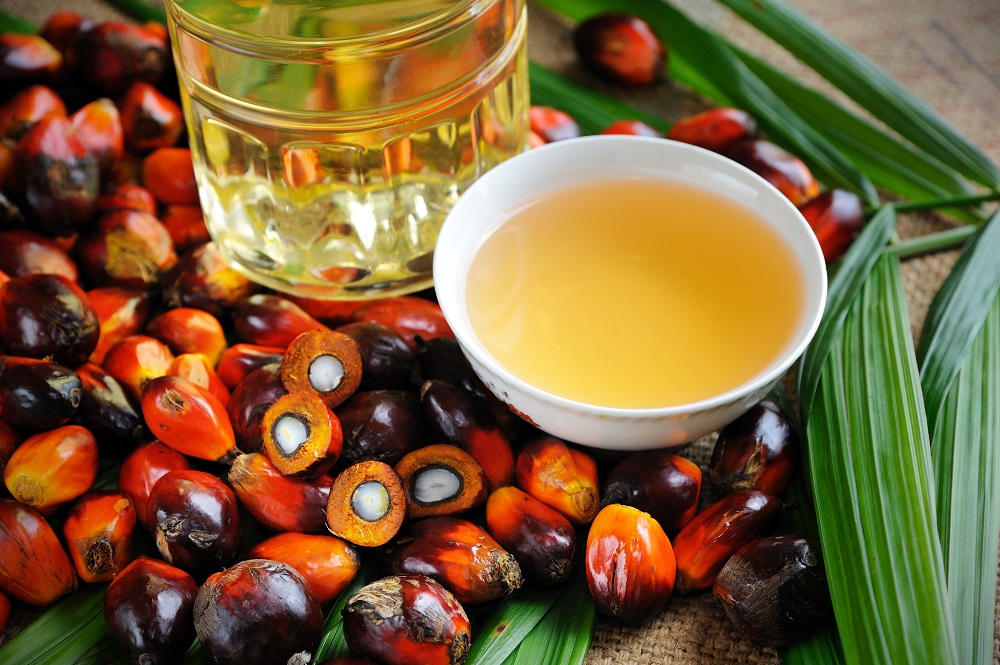
How to Buy and Export Palm Oil from Kenya.
Palm oil is the most popular vegetable oil in the world. It’s also a commodity that is used extensively in the food and cosmetic industry. However, due to its high demand, producers may have trouble exporting their products without binding certificates of origin or national treatment guarantees. This article will teach you everything you need to know about palm oil production and exports from Kenya.
What is palm oil?
Palm oil is a vegetable oil derived from the pulp of the fruit of palm trees. The pulp is then refined into a number of different products such as palm kernel oil and palm olein, which are solid at room temperature. Palm olein then undergoes further refining to become palm oil.
The production process for palm oil includes fermenting fresh fruit pulp or pressing juice extracted from the fruit and then refining it into either oleins or oils. The processes occur under controlled conditions to ensure that the final product meets quality standards set by various international bodies such as the International Food Standard Agency (IFSA) and Codex Alimentarius Commission (Codex).
The benefits of palm oil
production in Kenya
Kenya is the world’s second-largest producer of palm oil. In fact, more than 75% of the world’s production happens there. It is also the second-largest exporter of palm oil after Indonesia.
It is estimated that Kenya produces approximately 100,000 metric tons of palm oil per year. There are three main types of palm oil produced in Kenya: crude palm oil (CPO), refined palm oil (RPO), and fractionated palm oil (FPO). The demand for these products has been increasing rapidly, especially within Africa and Southeast Asia.
For example, FPO accounts for over 80% of the global consumption and RPO accounts for about 20%. The demand for CPO however has decreased significantly due to its high cost nature.
One reason why Kenya produces a lot of these various types of oils is because it has an abundance of pulp from trees that can be used as raw material for these oils.
This article will teach you everything you need to know about Kenyan trade policies and its importance to your business!
Palm oil production in Kenya
Palm oil production in Kenya is done primarily by smallholder farmers. The farmers plant the fruit trees, which produce the fruit, and then harvest and collect the palm oil. Once harvested, it’s processed into a more refined product that can be exported for higher prices.
Why does this matter?
In order to export their palm oils, producers must have certificates of origin or national treatment guarantees. These certifications often require detailed information about the country of origin and environmental conditions from where the palm oil came from.
This means that producers must have accurate information about their crops and land management practices to ensure they get the best deal possible for their exports.
Additionally, these certificates are necessary because some countries have a limit on how much palm oil they’ll accept from other countries without them. If you want to export your products, you will need to make sure they meet these requirements first!
Why are producers having a hard time exporting their products?
One of the reasons that producers have a hard time exporting their products is because of the high demand for palm oil. Consumers are increasingly concerned about the sustainability of palm oil, which has led to an increase in demand for products that use sustainable palm oil.
Another issue with exports is that certificate of origin regulations are difficult to meet. These regulations require producers to submit certificates proving that they are harvesting and producing their goods in the country where they claim they are being exported. To avoid these regulations, producers may choose to export their goods through third-party countries or by-passing customs altogether.
How can producers export their goods without a guarantee?
In order to export their products without a guarantee, producers have to fulfill certain requirements. These requirements include having a traceability plan for each of the stages of production and having written contracts with buyers.
Additionally, producers must register their company with the Kenya National Bureau of Standards and comply with the companies’ supply arrangements. It can be difficult to meet these requirements due to limited space and resources in Kenya’s palm oil industry.
Other countries may require certificates of origin or national treatment guarantees before they will allow the sale of palm oil from Kenya. To avoid these issues, producers need to ensure that they comply with all regulations set by other countries before exporting their goods.
Importing into the United States
One way to export palm oil is through the U.S., which is the world’s largest importer of palm oil and has a high demand for this commodity.
Palm oil trade through the U.S. can be done by importing from producers outside of the country or exporting from within. For this article, we will discuss importing from outside the country because it requires less time and effort in terms of paperwork and stamping fees.
Producers located outside of the U.S. must submit their applications for import to an authorized government officer at their embassy or consulate in Washington, D.C., before they are allowed to send their products into the country through one of its many ports of entry. The application should contain information such as where the palm oil was produced, its volume, and its intended use in order to be able to enter through one of these ports with ease.
Importing into other countries
Palm oil is a commodity that is used extensively in the food and cosmetic industry. This means that there are many countries that import palm oil from outside of Kenya.
When exporting your palm oil, you must comply with the rules for importing into a country in order to successfully get your products through customs.
Export certificates of origin and national treatment guarantees.
Palm oil is a commodity that is used extensively in the food and cosmetic industry. As such, producers may have trouble exporting their products without binding certificates of origin or national treatment guarantees.
In this article, we’ll explore what these documents are, how they relate to palm oil, and how you can obtain them. We’ll also discuss the benefits of obtaining these documents from the Kenyan government.
As a matter of fact, whether it’s for international trade or domestic consumption, palm oil producers need to comply with the United Nations Convention on International Trade in Endangered Species (CITES). In particular, CITES requires exporting countries to provide certificates of origin for shipments containing products made from listed species.
The Kenyan government provides two types of documents for exporting goods:
certificates of origin and national treatment guarantees.
Certificates of origin guarantee that the goods are produced in Kenya by a Kenyan company, while national treatment guarantees that goods are manufactured in accordance with certain Kenyan standards.






LEAVE A COMMENT
You must be logged in to post a comment.