
How to Choose Reliable Regional Missile Shield Integration Contractors

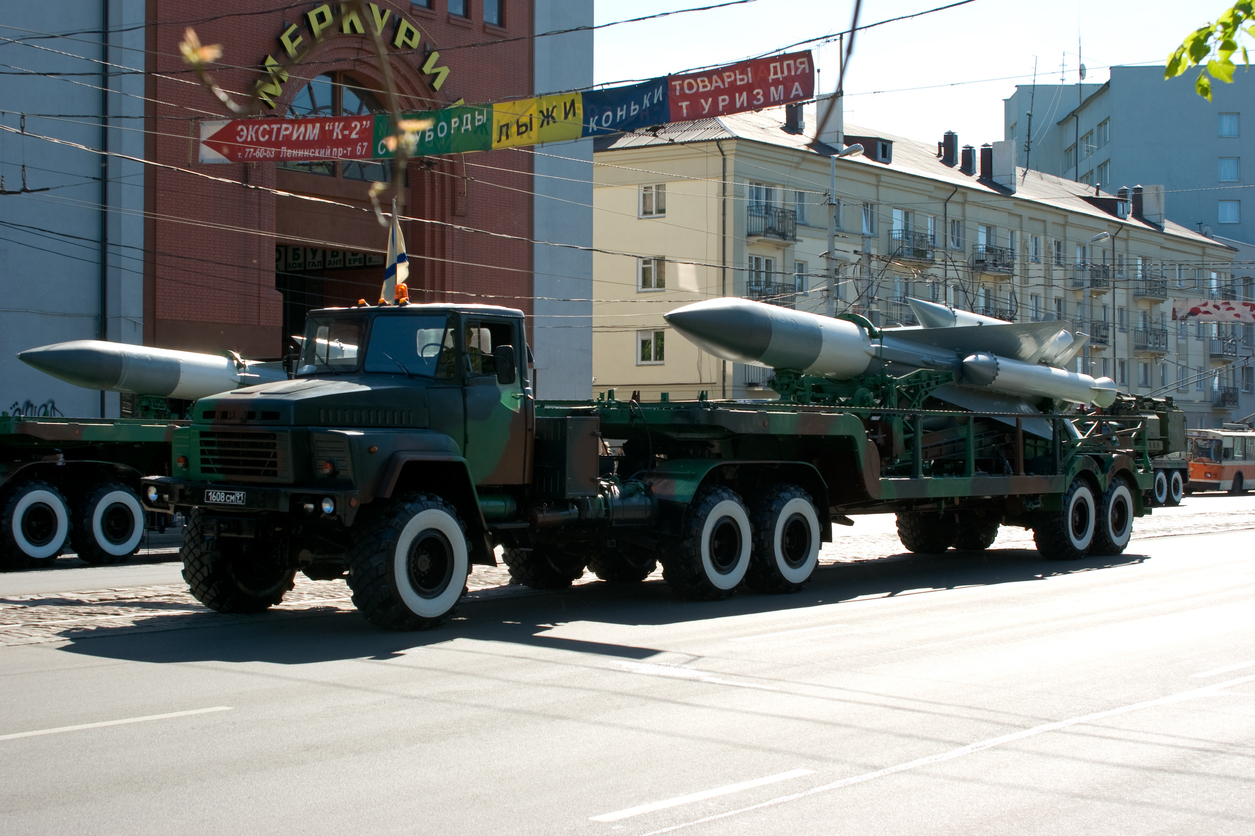
Modern missile defense relies on complex networks of sensors, interceptors, command platforms, and communication systems. Integrating these elements into a unified defensive architecture requires highly specialized expertise. Regional missile shield integration contractors play a critical role in designing, coordinating, and maintaining these systems to ensure they function effectively across national and allied defense infrastructures.
As geopolitical tensions evolve and missile technologies advance, many governments are strengthening regional missile defense systems. This process involves coordinating technologies across multiple platforms, jurisdictions, and military branches—tasks that demand experienced integration contractors capable of managing large-scale defense projects.
What Do Regional Missile Shield Integration Contractors Do?
Regional missile shield integration contractors are responsible for ensuring that various missile defense components operate together seamlessly. Missile defense systems are rarely built by a single manufacturer; instead, they involve a combination of radar systems, interceptor missiles, satellite communications, early warning systems, and command-and-control software.
Integration contractors typically oversee several key responsibilities:
-
System architecture design and interoperability planning
-
Integration of sensors, interceptors, and command networks
-
Testing and validation of missile defense systems
-
Cybersecurity and communication infrastructure management
-
Ongoing maintenance and system upgrades
Because missile defense networks often involve multinational cooperation, contractors must also manage compatibility between different defense technologies and regulatory environments.
Why Regional Missile Defense Integration Is Complex
Building a missile defense shield across a region introduces significant technical and operational challenges. Multiple defense systems must communicate instantly and reliably to detect, track, and intercept threats.
Several factors make regional integration particularly demanding.
Multi-Layer Defense Systems
Modern missile shields are built in layers, combining:
-
Early warning radar
-
Satellite detection
-
Mid-course interception
-
Terminal defense systems
Each layer may be developed by different manufacturers. Regional missile shield integration contractors ensure these layers share data and operate within a unified command structure.
Cross-Border Coordination
Regional defense initiatives often involve alliances between neighboring countries. This requires integration of different defense standards, communication protocols, and security frameworks.
Contractors must ensure data-sharing systems meet strict security and interoperability requirements.
Real-Time Data Processing
Missile interception requires rapid detection and response. Integration contractors design networks capable of processing and distributing sensor data in real time, ensuring defense systems respond within seconds.
Technologies Used by Regional Missile Shield Integration Contractors
To coordinate complex missile defense infrastructures, contractors rely on advanced technologies and engineering frameworks.
Command and Control Systems
Command-and-control (C2) platforms allow military operators to monitor threats, coordinate responses, and control interceptor systems. Integration contractors ensure that these systems receive accurate data from radar, satellites, and allied defense networks.
Radar and Sensor Integration
High-resolution radar and infrared sensors detect incoming missile threats. Integrating these technologies requires careful calibration to prevent data duplication, latency issues, or false alerts.
Secure Communications Networks
Missile defense networks rely on encrypted communication channels to protect sensitive data. Contractors build secure infrastructure that supports both national defense agencies and allied forces.
Systems Testing and Simulation
Before deployment, integrated defense systems undergo extensive simulation testing. Contractors model potential attack scenarios to validate system responses and identify vulnerabilities.
Global Demand for Regional Missile Shield Integration Contractors
Demand for regional missile shield integration contractors has increased significantly as governments prioritize missile defense capabilities.
Several regions are investing heavily in integrated missile defense networks:
-
Europe is expanding NATO missile defense infrastructure to counter evolving threats.
-
Asia-Pacific countries are strengthening cooperative defense systems due to regional security concerns.
-
Middle Eastern alliances are exploring shared missile defense frameworks.
These initiatives require experienced contractors capable of coordinating multinational defense projects and ensuring technological compatibility.
Supply Chain and Logistics Considerations in Missile Defense Projects
Large-scale missile defense programs rely on complex global supply chains. Radar components, electronics, communications hardware, and specialized materials must be sourced, transported, and delivered under strict compliance standards.
This is where logistics and supply chain management become essential. Defense contractors must ensure that critical components arrive on schedule, meet regulatory requirements, and remain secure throughout transport.
Companies experienced in global sourcing and distribution can play a valuable role in supporting these projects by coordinating equipment procurement and ensuring smooth logistics operations.
How Wigmore Trading Supports Complex Supply Chains
Large infrastructure and defense-related projects often involve multiple suppliers and international shipments. Managing procurement, transportation, and compliance across different markets can create operational challenges.
Wigmore Trading supports organizations operating in complex industries by assisting with:
-
Global sourcing of industrial equipment and components
-
Freight coordination and logistics management
-
Supply chain planning across multiple regions
-
Import/export compliance and documentation
With experience in international trade and logistics, Wigmore Trading helps businesses maintain efficient supply chains when managing large-scale projects and specialized equipment sourcing.
The Future of Regional Missile Defense Integration
As missile technologies continue to evolve, integrated defense systems will become even more sophisticated. Artificial intelligence, advanced sensors, and autonomous interception technologies are expected to shape the next generation of missile defense networks.
This will further increase the importance of regional missile shield integration contractors, who must combine expertise in defense engineering, cybersecurity, and systems architecture.
At the same time, reliable supply chains will remain a key factor in the successful deployment of complex defense infrastructure.
Conclusion
Regional missile defense systems depend on seamless coordination between multiple technologies, defense platforms, and allied networks. Regional missile shield integration contractors play a vital role in designing, integrating, and maintaining these complex systems to ensure effective threat detection and response.
As global security environments evolve, governments and defense organizations will continue to rely on experienced contractors and robust supply chains to support these critical systems.
For organizations involved in complex infrastructure projects that require global sourcing and logistics coordination, Wigmore Trading can help.
Contact Wigmore Trading today to streamline your sourcing.






Comments are closed.