
How to Establish a Ginger Processing Factory in Nigeria

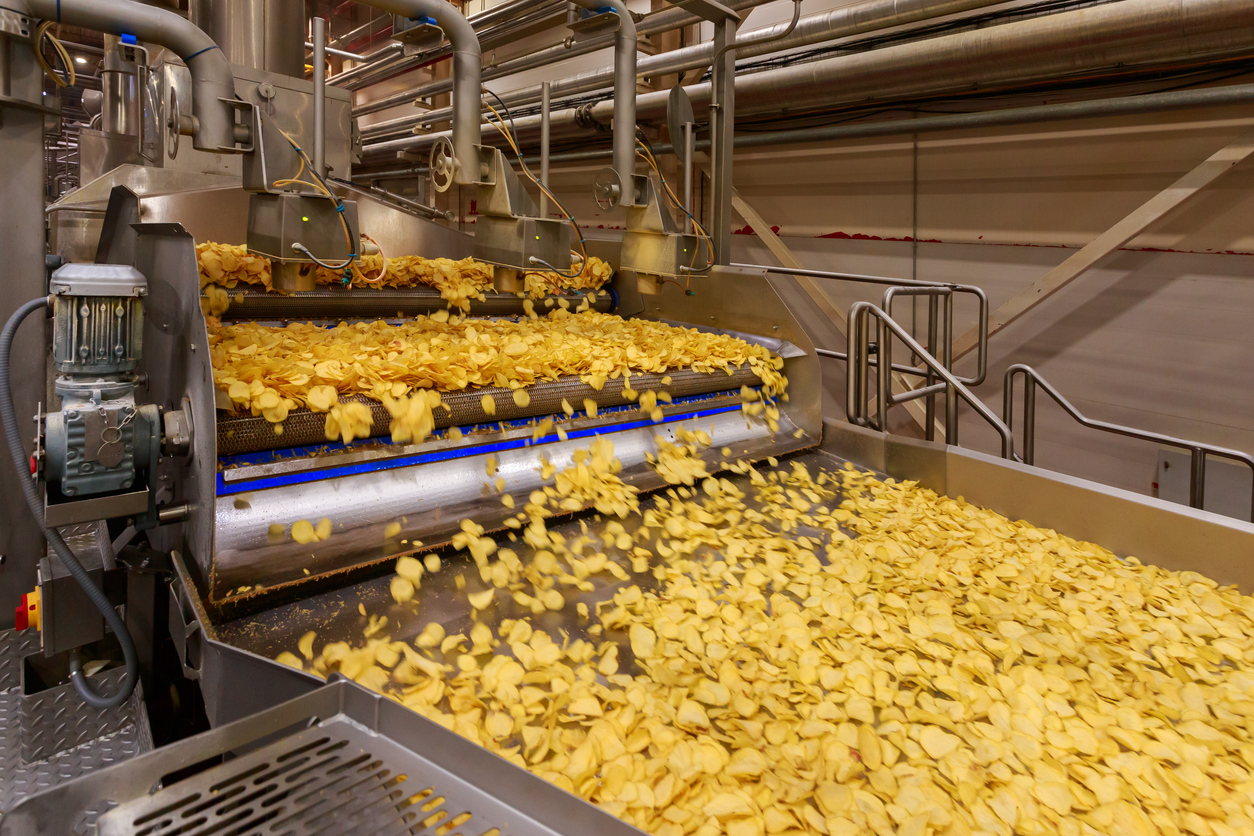
Nigeria is one of the world’s leading producers of ginger, particularly in regions such as Kaduna, Nasarawa, and Gombe. With rising global demand for processed ginger products—such as powder, oil, and dried slices—the establishment of a ginger processing factory in Nigeria presents a strong commercial opportunity for investors, exporters, and agribusiness stakeholders.
This article explores the value chain, key considerations, and how businesses can successfully operate in this sector.
Understanding the Ginger Value Chain in Nigeria
Nigeria primarily exports raw ginger, often missing out on the higher margins associated with processed products. A processing factory enables businesses to move up the value chain by transforming raw ginger into export-ready goods.
Key processed products include:
-
Dried split ginger
-
Ginger powder
-
Ginger oil and oleoresin
-
Ginger paste
Processing improves shelf life, reduces transportation costs, and aligns with international quality standards, making Nigerian ginger more competitive in global markets such as Europe, Asia, and the Middle East.
Why Invest in a Ginger Processing Factory in Nigeria?
Several factors make Nigeria an attractive location for ginger processing:
Abundant Raw Material Supply
Nigeria consistently ranks among the top global producers of ginger. This ensures a steady and scalable supply of raw materials for processing factories.
Export Market Demand
Processed ginger products are widely used in food manufacturing, pharmaceuticals, and cosmetics. Demand continues to grow, particularly for organic and traceable products.
Value Addition and Profit Margins
Processing significantly increases the value of ginger. Exporting processed products rather than raw commodities allows businesses to capture higher margins.
Government Support for Agro-Processing
Nigeria’s government has introduced policies encouraging agro-processing and export diversification, including incentives for agribusiness investments.
Key Requirements for Setting Up a Processing Facility
Establishing a ginger processing factory requires careful planning across several areas:
Location and Infrastructure
Factories should be located close to ginger-producing regions to reduce logistics costs and post-harvest losses. Reliable access to power, water, and transport networks is essential.
Processing Equipment
Depending on the product, equipment may include:
-
Washing and peeling machines
-
Drying systems (solar or mechanical dryers)
-
Grinding and milling machines
-
Oil extraction units
Quality Control and Certification
Export markets require compliance with strict standards such as:
-
HACCP (Hazard Analysis and Critical Control Points)
-
ISO certifications
-
Phytosanitary requirements
Ensuring traceability and consistent quality is critical for international trade.
Common Challenges in Ginger Processing
While the opportunity is strong, businesses often face operational challenges:
Inconsistent Supply Chains
Smallholder farming systems can lead to variability in quality and supply. Aggregation and supplier management are crucial.
Post-Harvest Losses
Improper handling and storage can reduce the quality of raw ginger before processing begins.
Export Compliance Complexity
Meeting international standards and navigating export documentation can be complex, particularly for new entrants.
Logistics and Distribution
Efficient movement of goods from farms to factories and then to export markets requires a well-coordinated logistics network.
Practical Solutions for Sustainable Operations
To overcome these challenges, businesses should adopt structured approaches:
-
Supplier Partnerships: Build long-term relationships with farmers and cooperatives to ensure consistent supply and quality.
-
Modern Processing Techniques: Invest in efficient drying and processing technologies to maintain product integrity.
-
Compliance Systems: Implement robust quality assurance processes from sourcing to final packaging.
-
Integrated Logistics Planning: Coordinate transportation, warehousing, and export handling to reduce delays and costs.
How Wigmore Trading Supports Ginger Processing Businesses
Operating a ginger processing factory in Nigeria requires coordination across sourcing, logistics, and export compliance. Wigmore Trading plays a key role in supporting businesses at each stage of the value chain.
Wigmore Trading can assist with:
-
Sourcing raw ginger directly from trusted farmers and suppliers
-
Quality control and aggregation to ensure export-grade materials
-
Logistics and warehousing solutions for efficient movement and storage
-
Export documentation and compliance support to meet international standards
-
Global distribution networks connecting Nigerian producers to international buyers
By leveraging industry expertise and established supply chains, businesses can reduce operational risks and focus on scaling production.
Market Outlook and Future Growth
The global ginger market is expected to continue expanding, driven by demand for natural ingredients and health-focused products. Nigeria is well-positioned to become a leading exporter of processed ginger, provided investments are made in infrastructure, technology, and supply chain efficiency.
Processing factories will play a central role in this transformation, enabling the country to shift from raw commodity exports to value-added products.
Conclusion
Establishing a ginger processing factory in Nigeria offers strong commercial potential, supported by abundant raw materials and growing international demand. However, success depends on efficient sourcing, quality control, and reliable logistics.
Businesses that invest in structured operations and strategic partnerships will be better positioned to compete in global markets.
Wigmore Trading can help. Contact Wigmore Trading today to streamline your sourcing.



Comments are closed.