
How to Find Reliable Suppliers for Cosmetics Import from China to UK

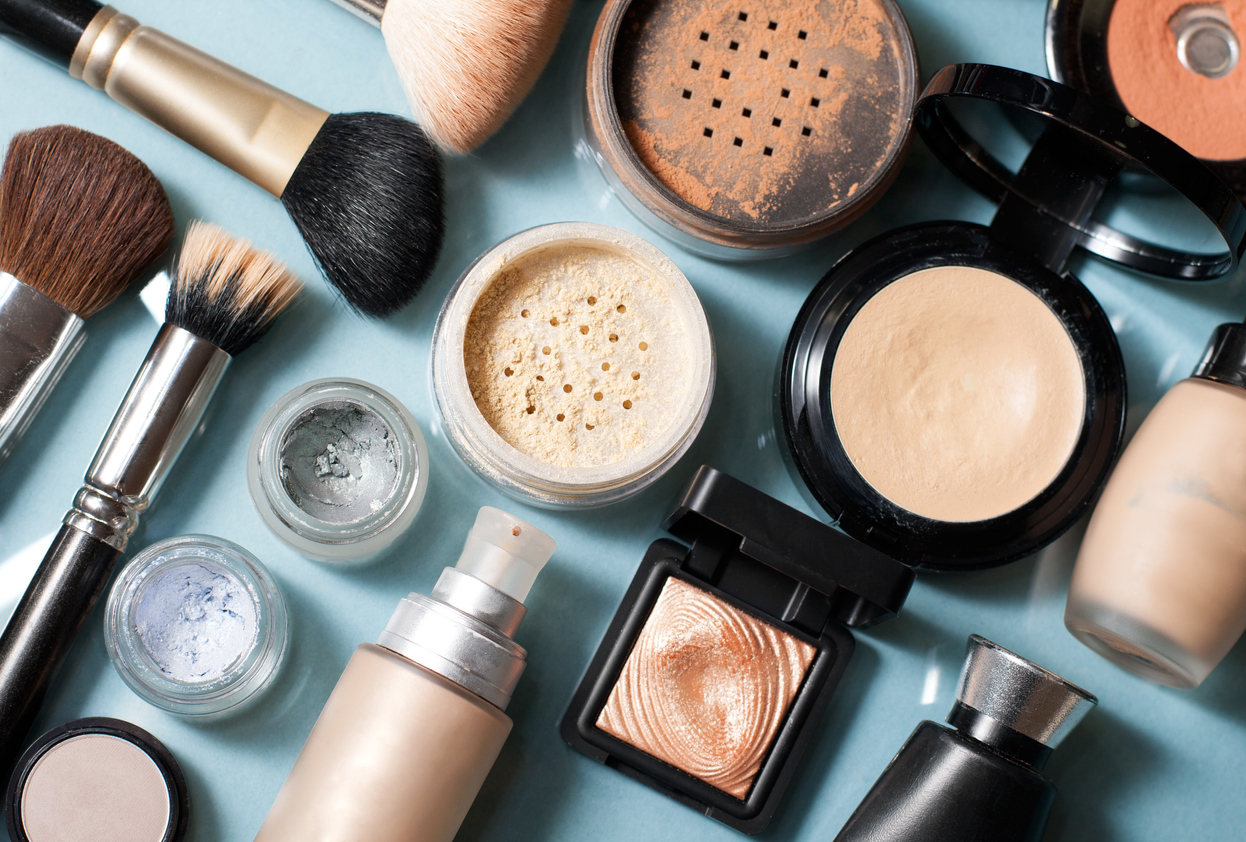
The UK beauty and personal care market continues to grow, driven by consumer demand for innovative, affordable, and trend-led products. As a result, cosmetics import from China to UK has become an increasingly attractive opportunity for wholesalers, retailers, and private-label brands looking to stay competitive.
China is one of the world’s largest producers of cosmetics, offering a wide range of skincare, makeup, personal care items, and packaging solutions at competitive prices. However, importing cosmetics into the UK requires careful attention to product safety, regulatory compliance, logistics, and quality control. Understanding these requirements is essential for building a reliable and compliant supply chain.
Why Consider Cosmetics Import from China to UK?
China’s cosmetics manufacturing sector is highly developed, with extensive capabilities in OEM (Original Equipment Manufacturer) and private-label production. UK importers benefit from:
-
Competitive unit pricing and scalable production volumes
-
Access to innovative formulations and packaging
-
Strong supply networks for raw materials and components
For UK distributors and FMCG businesses, importing from China can improve margins and product variety. However, cost savings should never come at the expense of compliance. Cosmetics are highly regulated in the UK, and importers carry legal responsibility for the safety and documentation of the products they place on the market.
Regulatory Requirements for Cosmetics Import from China to UK
Since Brexit, the UK operates under its own cosmetics regulatory framework. Any company involved in cosmetics import from China to UK must comply with the UK Cosmetics Regulation (Schedule 34 of the Product Safety and Metrology etc. (Amendment etc.) (EU Exit) Regulations 2019).
Key regulatory obligations include:
-
Appointment of a UK Responsible Person (RP)
-
Product Safety Assessment and Cosmetic Product Safety Report (CPSR)
-
Notification via the UK Submit Cosmetic Product Notification (SCPN) portal
-
Proper labelling in English, including ingredients, batch number, and UK RP address
-
Maintenance of a Product Information File (PIF)
The UK importer often becomes the Responsible Person if the manufacturer is based outside the UK. This means they are legally accountable for ensuring compliance, maintaining documentation, and cooperating with regulatory authorities.
Before shipment, it is critical to verify that formulations meet UK ingredient restrictions and that any claims made on packaging are substantiated and not misleading.
Product Quality and Supplier Due Diligence
One of the main risks in cosmetics import from China to UK is inconsistent quality. Importers must conduct thorough supplier due diligence before placing large orders.
This includes verifying business licenses, factory certifications, manufacturing standards, and previous export experience. Factory audits, third-party quality inspections, and product testing are strongly recommended, especially for skincare and products applied directly to the face.
It is also important to confirm:
-
Ingredient sourcing and traceability
-
Stability and microbiological testing results
-
Compliance with UK ingredient restrictions
Clear technical specifications and agreed quality standards should be written into purchase contracts. Without this structure, disputes over quality or non-compliant formulations can become costly.
Wigmore Trading supports clients by coordinating supplier verification, product inspections, and documentation checks, reducing the risk associated with overseas sourcing.
Logistics and Shipping Considerations
Shipping cosmetics from China to the UK requires careful planning. Products may be classified differently depending on formulation. For example, items containing alcohol may be treated as dangerous goods, requiring specific documentation and packaging standards.
Importers must consider:
-
Incoterms (such as FOB or CIF)
-
Freight mode (sea freight for bulk shipments, air freight for urgent orders)
-
Customs clearance procedures
-
Applicable duties and VAT
Correct commodity codes (HS codes) are essential for customs declarations. Errors in classification can lead to delays, penalties, or unexpected costs.
Storage conditions during transit are also critical. Extreme temperatures can compromise product stability, particularly for creams and serums. Temperature-controlled logistics may be necessary for sensitive formulations.
An experienced logistics partner helps manage documentation, coordinate freight forwarders, and ensure smooth customs clearance. Wigmore Trading assists with freight coordination and end-to-end supply chain management, helping businesses avoid common import bottlenecks.
Labelling and Packaging Compliance in the UK
Labelling is one of the most common areas where cosmetics import from China to UK encounters issues. Even if a product is fully compliant in China or the EU, packaging may not automatically meet UK requirements.
Labels must include:
-
Product function
-
Full ingredients list (INCI format)
-
Net weight or volume
-
Expiry date or Period After Opening (PAO)
-
Precautions for use
-
UK Responsible Person name and address
-
Batch number for traceability
All mandatory information must appear in English. If products arrive with non-compliant labelling, they may need relabelling in a bonded warehouse before distribution, adding cost and delays.
Working with suppliers early in the design phase ensures packaging artwork is compliant before production begins.
Managing Risk in Cosmetics Import from China to UK
Importing cosmetics involves regulatory, financial, and reputational risk. Poor-quality products or non-compliance can result in recalls, fines, and damage to brand credibility.
To manage risk effectively, businesses should:
-
Conduct laboratory testing before shipment
-
Secure appropriate product liability insurance
-
Maintain full documentation for regulatory inspection
-
Diversify supplier options where possible
Supply chain transparency is becoming increasingly important in the UK beauty market, with growing consumer interest in ethical sourcing and ingredient transparency. Importers should ensure they can demonstrate traceability and compliance if required.
Wigmore Trading works with importers to strengthen procurement processes, oversee supplier engagement, and streamline logistics, ensuring products reach the UK market safely and efficiently.
Building a Sustainable Import Strategy
Long-term success in cosmetics import from China to UK depends on more than low pricing. Businesses must balance cost control with regulatory compliance, product integrity, and efficient logistics.
Developing clear supplier relationships, investing in quality control, and maintaining up-to-date regulatory knowledge are essential foundations. With the right sourcing and logistics strategy, importing from China can offer significant competitive advantages in the UK beauty market.
As regulatory frameworks continue to evolve, partnering with experienced trade specialists helps businesses remain compliant while scaling operations confidently.
Conclusion
Cosmetics import from China to UK offers strong commercial potential for wholesalers, private-label brands, and FMCG distributors. However, the process requires careful attention to regulatory compliance, product safety, supplier verification, and logistics planning.
By combining thorough due diligence with structured supply chain management, businesses can successfully navigate the complexities of UK cosmetics regulations and international trade.
Wigmore Trading can help. Contact Wigmore Trading today to streamline your sourcing.






Comments are closed.