
How to Find Verified Suppliers for Consumer Electronics Import from UK

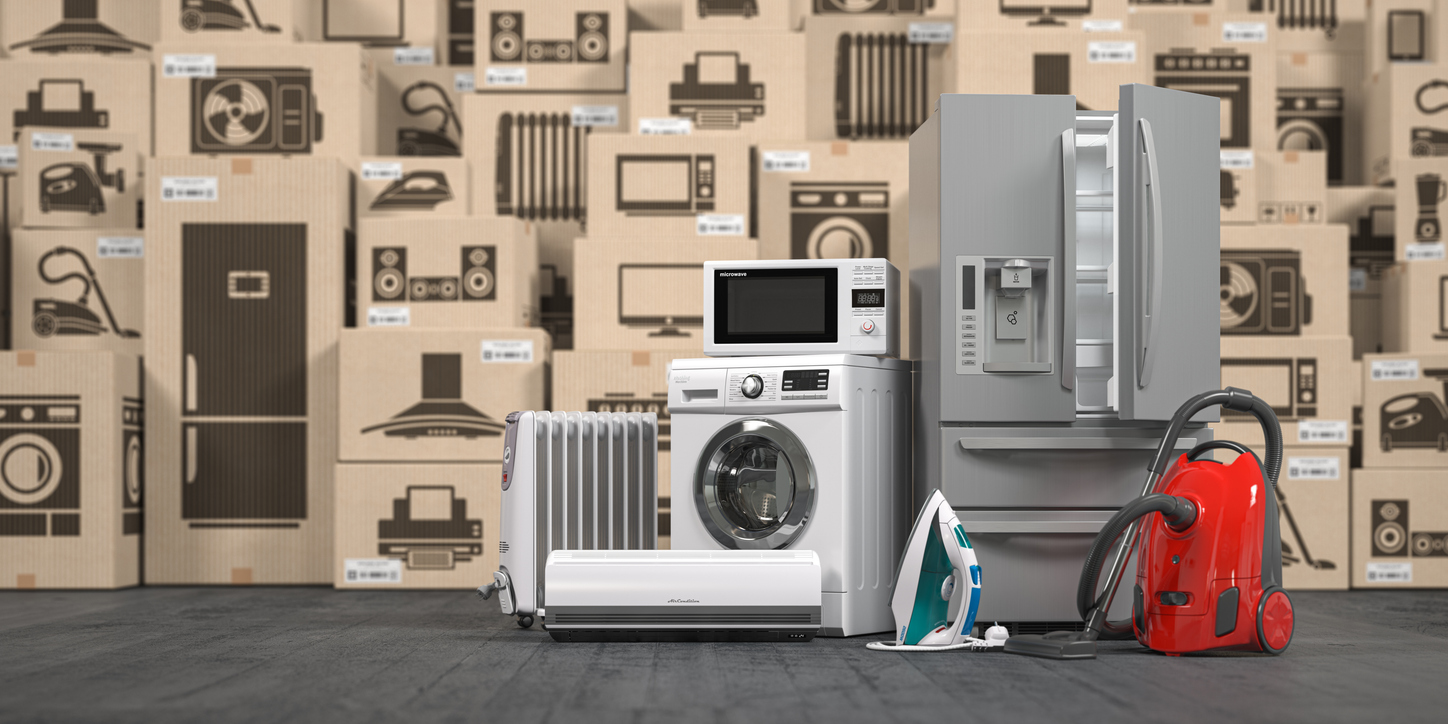
The consumer electronics import from UK market presents strong opportunities for distributors, wholesalers, and retailers across Africa. The UK remains a major hub for high-quality electronics, including smartphones, laptops, home appliances, gaming consoles, and audio-visual equipment from globally recognised brands.
For businesses involved in FMCG distribution, wholesale trade, and logistics, understanding the import process, compliance requirements, and sourcing strategy is essential to ensuring smooth operations and profitable margins.
This guide explains how to approach consumer electronics imports from the UK strategically and how Wigmore Trading can support your sourcing and supply chain needs.
Why Import Consumer Electronics from the UK?
The UK is a strong sourcing destination for electronics due to its established retail infrastructure, reputable suppliers, and access to leading global brands.
1. Access to Authentic Branded Products
The UK market is known for regulated retail and strict quality control standards. Importing from established UK suppliers reduces the risk of counterfeit or substandard goods. This is especially important when sourcing high-value products such as:
-
Smartphones and accessories
-
Laptops and tablets
-
Gaming consoles
-
Home entertainment systems
-
Small home appliances
For African distributors, this ensures credibility with retailers and end consumers, helping build long-term brand trust.
2. Competitive Wholesale Opportunities
While retail pricing in the UK may be high, bulk sourcing, liquidation stock, surplus inventory, and distributor partnerships can offer competitive pricing structures. Businesses that understand how to negotiate directly with suppliers or work with sourcing specialists can secure strong margins.
Wigmore Trading helps businesses identify reliable UK-based suppliers and structure procurement agreements that align with African market demand.
3. Reliable Product Standards and Compliance
Products sourced from the UK typically comply with European safety and electrical standards. This reduces the likelihood of defective shipments and helps importers meet local regulatory requirements in African markets.
However, importers must still ensure compatibility with local voltage systems, plug types, and certification standards before shipping.
Key Considerations When Importing Consumer Electronics from the UK
Importing electronics is more complex than importing general FMCG products. There are regulatory, logistical, and financial factors that must be carefully managed.
1. Regulatory Compliance and Documentation
Consumer electronics often require:
-
Commercial invoices
-
Packing lists
-
Certificates of conformity
-
Product safety certifications
-
Customs declarations
Failure to provide correct documentation can result in customs delays, fines, or product seizure. Working with an experienced import/export partner ensures documentation is prepared accurately and efficiently.
Wigmore Trading assists businesses in navigating UK export requirements and destination-country import regulations to reduce compliance risks.
2. Import Duties and Taxes
Different African countries apply varying duty rates on electronics imports. Importers must calculate:
-
Customs duties
-
VAT or sales tax
-
Port handling charges
-
Clearing and forwarding fees
Without accurate cost forecasting, profit margins can quickly erode. Conducting a landed cost analysis before committing to a purchase is critical.
Wigmore Trading supports clients with cost estimation and supply chain planning to help avoid unexpected financial setbacks.
3. Shipping and Logistics Management
Consumer electronics are high-value and sometimes fragile goods. Proper logistics planning is essential.
Important factors include:
-
Secure packaging to prevent damage
-
Insurance coverage during transit
-
Choosing between air freight and sea freight
-
Reliable customs clearing agents
Air freight may be suitable for high-demand items with smaller volumes, while sea freight is more cost-effective for bulk shipments.
Wigmore Trading provides end-to-end logistics coordination, ensuring products move securely from UK suppliers to African distribution centres.
Managing Risks in Consumer Electronics Import from UK
Electronics imports carry unique risks, particularly related to product authenticity, warranty issues, and demand forecasting.
1. Avoiding Counterfeit or Grey Market Goods
Even within regulated markets, sourcing from unverified suppliers can expose importers to grey market products. These items may lack manufacturer warranties or region-specific support.
To mitigate this risk:
-
Verify supplier credentials
-
Request proof of authorised distribution
-
Inspect goods before shipment
Wigmore Trading works with trusted supplier networks to ensure product authenticity and traceability.
2. Warranty and After-Sales Support
Customers expect warranty coverage when purchasing electronics. Importers must clarify:
-
Whether warranties are internationally valid
-
Who bears repair or replacement costs
-
Availability of spare parts locally
A clear after-sales strategy improves customer satisfaction and strengthens retailer relationships.
3. Demand Forecasting and Inventory Planning
Electronics markets change rapidly due to technological upgrades and product launches. Overstocking outdated models can lead to financial losses.
Businesses should:
-
Monitor market trends
-
Analyse consumer purchasing patterns
-
Start with smaller test shipments
Wigmore Trading helps importers assess market demand and structure phased procurement strategies to reduce inventory risk.
How Wigmore Trading Supports Consumer Electronics Import from UK
For African importers and wholesale distributors, managing supplier sourcing, documentation, shipping, and compliance can be resource-intensive.
Wigmore Trading provides:
-
Supplier identification and verification in the UK
-
Procurement negotiation support
-
Export documentation handling
-
Freight and logistics coordination
-
Customs clearance assistance
-
End-to-end supply chain management
By consolidating these services, businesses reduce operational complexity and focus on distribution and sales growth within their local markets.
Building a Sustainable Electronics Import Strategy
Successful consumer electronics import from UK requires more than simply placing an order. It involves:
-
Strategic supplier partnerships
-
Clear regulatory compliance
-
Accurate landed cost planning
-
Secure logistics management
-
Market-aligned inventory control
Businesses that adopt a structured import strategy are better positioned to scale across retail networks, e-commerce platforms, and wholesale channels.
Whether you are expanding your product portfolio or entering the electronics market for the first time, careful planning is essential.
Wigmore Trading can help.
Get in touch with our team to learn more.
Contact Wigmore Trading today to streamline your sourcing.






Comments are closed.