
How to Import CNC Machine from China to Nigeria: A Practical Business Guide

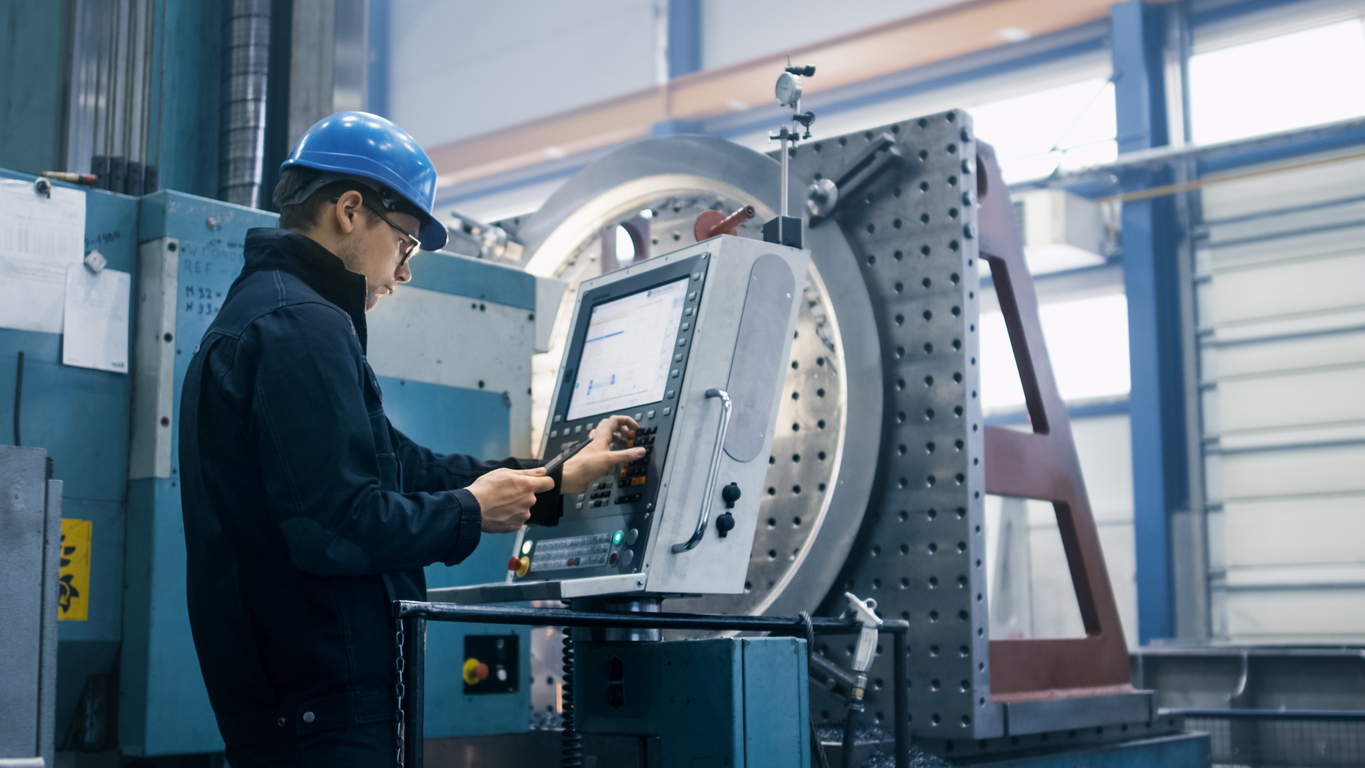
Nigeria’s manufacturing and fabrication sectors are expanding steadily, driven by demand in construction, furniture production, automotive components, oil and gas servicing, and metal works. For many businesses, the most cost-effective way to upgrade production capacity is to import CNC machine from China to Nigeria.
China remains one of the world’s leading manufacturers of CNC (Computer Numerical Control) machines, offering competitive pricing, a wide range of models, and scalable production capabilities. However, importing industrial machinery requires careful planning, compliance with Nigerian regulations, and structured logistics coordination. This guide explains how businesses can approach the process professionally and efficiently.
Why Businesses Import CNC Machine from China to Nigeria
Chinese manufacturers supply CNC routers, milling machines, lathes, plasma cutters, and laser cutting systems at prices significantly lower than many Western markets. Beyond affordability, buyers benefit from customization options, varied automation levels, and strong production capacity.
For Nigerian manufacturers, importing CNC machines enables:
-
Increased production accuracy and repeatability
-
Reduced labor dependency for complex fabrication
-
Faster turnaround time for industrial projects
-
Improved competitiveness in both local and regional markets
However, price should not be the only consideration. Equipment durability, spare parts availability, voltage compatibility, and after-sales support must also be assessed before placing an order.
Choosing the Right CNC Machine for Nigerian Operations
Before proceeding to import CNC machine from China to Nigeria, businesses should clearly define their operational requirements. CNC machines vary significantly depending on application.
Key considerations include machine size, spindle power, precision tolerance, supported materials (wood, aluminum, steel, plastics), software compatibility, and voltage specifications. Nigeria operates primarily on 220V/50Hz or 380V/50Hz three-phase power for industrial use, so machines must be configured accordingly.
It is also important to confirm whether the machine includes installation guidance, training documentation, and warranty coverage. Many reputable Chinese manufacturers offer remote technical support, but buyers should clarify this before shipment.
Working with an experienced sourcing partner such as Wigmore Trading helps businesses evaluate suppliers, verify production standards, and ensure technical specifications meet Nigerian operational needs.
Supplier Verification and Quality Assurance
When importing industrial equipment, supplier verification is critical. Buyers should request:
-
Business registration documents
-
Export licenses
-
Product certifications
-
Factory inspection reports
-
Detailed proforma invoices
It is advisable to conduct pre-shipment inspections to confirm machine specifications, packaging standards, and functional testing before dispatch. For high-value CNC machines, a third-party inspection reduces the risk of receiving non-compliant or substandard equipment.
Wigmore Trading assists clients with supplier vetting, inspection coordination, and contract negotiation to reduce exposure to fraud or quality issues.
Regulatory Requirements to Import CNC Machine from China to Nigeria
Importing industrial machinery into Nigeria involves several regulatory steps. The Nigerian Customs Service (NCS) oversees importation, while other agencies may be involved depending on the equipment type.
Businesses must ensure:
-
Proper HS code classification for CNC machinery
-
Form M processing through an authorized bank
-
Pre-Arrival Assessment Report (PAAR)
-
SONCAP certification if applicable
-
Compliance with port documentation procedures
Failure to complete these requirements can result in shipment delays, demurrage charges, or customs penalties.
Because industrial machinery may attract varying duty rates depending on classification, proper documentation and tariff assessment are essential. Partnering with an experienced import and logistics company significantly reduces compliance risks.
Shipping and Freight Considerations
CNC machines are heavy, high-value equipment typically shipped via sea freight in either full container load (FCL) or breakbulk shipments. Packaging must protect delicate electronic components and structural frames from moisture and impact damage.
Freight planning should consider:
-
Container type and size
-
Port of loading in China
-
Port of discharge in Nigeria (Apapa, Tin Can, or Onne)
-
Marine insurance coverage
-
Estimated transit time
Depending on urgency, air freight may be considered for smaller CNC units, though this is generally cost-prohibitive for large industrial machinery.
Wigmore Trading coordinates international freight, marine insurance, and port clearance to ensure smooth delivery from Chinese factory to Nigerian warehouse or factory floor.
Customs Clearance and Inland Logistics
Once the CNC machine arrives in Nigeria, customs clearance must be handled promptly to avoid port storage charges. Accurate documentation and proper valuation are essential to prevent disputes or inspection delays.
After clearance, inland transportation requires specialized handling due to machine weight and dimensions. Flatbed trucks or heavy-duty haulage services may be necessary, particularly for large industrial units.
Efficient coordination between customs agents, port authorities, and inland transport providers ensures the machine arrives safely and ready for installation.
Cost Breakdown When You Import CNC Machine from China to Nigeria
Businesses should evaluate total landed cost rather than focusing only on purchase price. Key cost components include:
-
Machine cost (EXW or FOB price)
-
Freight charges
-
Marine insurance
-
Import duties and taxes
-
Port handling fees
-
Inland transportation
-
Installation and commissioning
Understanding the complete cost structure allows businesses to budget accurately and maintain profitability.
Wigmore Trading provides transparent cost estimates to help companies plan their capital expenditure effectively.
Managing Risks in CNC Machine Importation
Importing heavy industrial equipment carries financial and operational risks. Common challenges include supplier misrepresentation, shipping damage, regulatory delays, and unexpected duty charges.
Risk mitigation strategies include:
-
Verifying suppliers thoroughly
-
Securing clear contractual agreements
-
Insuring shipments
-
Engaging experienced customs brokers
-
Conducting proper pre-shipment inspection
With structured sourcing and logistics management, these risks can be significantly reduced.
Conclusion
To successfully import CNC machine from China to Nigeria, businesses must move beyond price comparisons and adopt a structured approach that includes supplier verification, regulatory compliance, freight planning, and customs coordination.
Industrial equipment importation requires precision at every stage—from technical specification to final installation. When handled professionally, CNC machinery can dramatically improve manufacturing efficiency and long-term profitability.
Wigmore Trading supports Nigerian businesses through supplier sourcing, quality inspection, freight management, customs clearance, and inland logistics coordination.
Contact Wigmore Trading today to streamline your sourcing.




Comments are closed.