
How to Import Electronics from China to Nigeria: A Practical Guide for Businesses

Importing electronics from China to Nigeria has become a major commercial opportunity for wholesalers, distributors, and retailers seeking competitive pricing and access to the latest technology. From mobile phones and accessories to home appliances and industrial equipment, China remains one of Nigeria’s most important trading partners in the electronics sector.
However, successfully managing the process requires more than simply placing an order. Businesses must navigate supplier selection, quality control, shipping logistics, customs clearance, and regulatory compliance. This guide explains how to import electronics from China to Nigeria efficiently while reducing risk and protecting margins.
Why Businesses Import Electronics from China to Nigeria
China is the global manufacturing hub for electronics. The country offers:
-
Competitive factory pricing
-
Large-scale production capacity
-
Wide product variety and customization options
-
Established export systems
For Nigerian importers, these advantages translate into higher profit potential and access to global brands or private-label products. The key is ensuring that cost savings are not offset by logistics delays, substandard goods, or compliance issues.
Understanding Product Categories When You Import Electronics from China to Nigeria
Electronics imports typically fall into several broad categories:
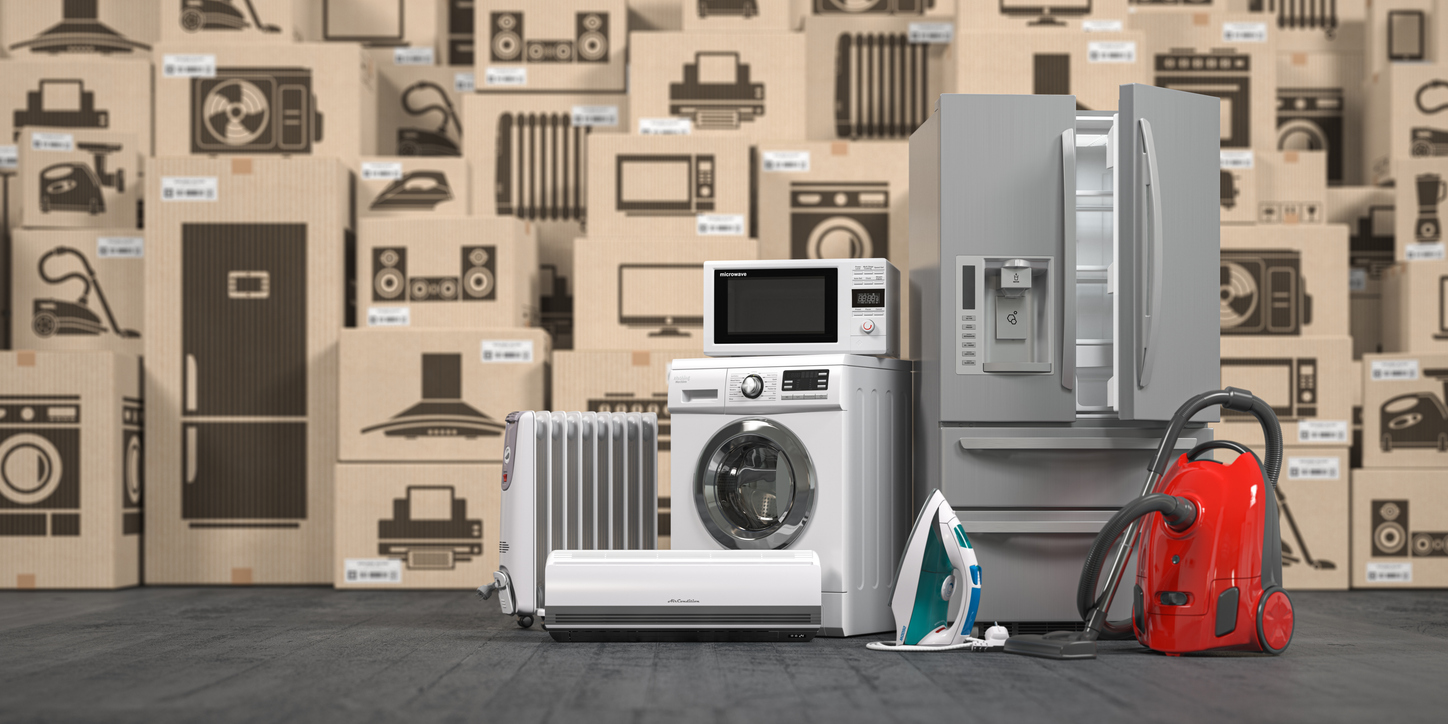
Consumer electronics such as smartphones, tablets, and accessories remain the largest segment. Home electronics including televisions, air conditioners, refrigerators, and kitchen appliances are also in high demand. Industrial and commercial electronics, including solar inverters, power systems, and security devices, are increasingly popular as Nigeria’s infrastructure and energy needs grow.
Each category may have different regulatory requirements and quality standards. Importers must verify that products comply with Nigerian import regulations before shipment.
Regulatory Requirements for Importing Electronics into Nigeria
When you import electronics from China to Nigeria, compliance is critical. Nigerian authorities closely regulate electrical and electronic products to ensure safety and quality.
Key regulatory considerations include:
-
SONCAP Certification (Standards Organisation of Nigeria Conformity Assessment Programme)
-
Product testing and certification requirements
-
Pre-Arrival Assessment Report (PAAR)
-
Correct HS code classification
Electronics must meet Nigerian Industrial Standards. Before shipment, exporters typically obtain SONCAP certification to confirm compliance. Failure to secure proper documentation can result in shipment delays, penalties, or seizure at the port.
Working with experienced trade professionals such as Wigmore Trading helps ensure all documentation is completed accurately before goods leave China, reducing customs complications on arrival.
Choosing Reliable Suppliers in China
One of the biggest risks when importing electronics is inconsistent quality. Many products look identical online but vary significantly in internal components and durability.
When selecting suppliers:
Verify business licenses and export registration. Request product samples before bulk orders. Confirm manufacturing capacity and lead times. Review quality control procedures and warranty policies.
Factory audits and third-party inspections are highly recommended, particularly for high-value electronics. Without proper verification, importers risk receiving products that do not meet specifications or fail to comply with Nigerian standards.
Wigmore Trading supports businesses by conducting supplier vetting, quality inspections, and production monitoring to protect buyers from costly errors.
Shipping Options When You Import Electronics from China to Nigeria
Shipping method directly impacts cost, delivery time, and risk exposure.
Air freight is faster and suitable for smaller, high-value electronics such as mobile phones and components. Sea freight is more cost-effective for bulk shipments, particularly for large appliances and wholesale distribution.
Most Nigerian electronics shipments arrive through major ports such as Apapa and Tin Can Island in Lagos. Proper freight planning is essential to avoid demurrage charges and port congestion delays.
Freight costs depend on shipment volume, weight, and current market conditions. Electronics often require careful packaging to prevent damage during transit. Insurance coverage is strongly recommended due to the high value of many electronic goods.
Customs Clearance and Duties in Nigeria
Import duty rates for electronics vary depending on classification. Duties may range from moderate to higher tariffs depending on the product type. In addition to customs duty, importers should account for:
- Value Added Tax (VAT)
- Port handling charges
- Clearing agent fees
- Storage or demurrage if delays occur
Accurate HS code classification is essential to avoid underpayment or overpayment of duties. Misclassification can trigger audits and penalties.
An experienced clearing and forwarding partner simplifies the process. Wigmore Trading assists clients with documentation preparation, customs brokerage, and efficient cargo clearance to reduce delays and unexpected costs.
Common Challenges When You Import Electronics from China to Nigeria
While the opportunity is significant, importers often face recurring challenges.
Quality inconsistencies can arise when suppliers substitute components to reduce costs. Delays in shipping may occur due to port congestion or incomplete documentation. Currency fluctuations between the Chinese Yuan, US Dollar, and Nigerian Naira can also affect overall profitability.
In addition, counterfeit or substandard products pose risks to distributors and retailers. Selling non-compliant electronics can damage brand reputation and lead to regulatory penalties.
Mitigating these risks requires structured procurement processes, strong supplier relationships, and professional logistics coordination.
Managing Costs and Protecting Profit Margins
Successful electronics importation depends on managing total landed cost rather than focusing only on factory price. Landed cost includes:
- Product cost
- Freight and insurance
- Customs duties and VAT
- Port and clearing charges
- Warehousing and inland transportation
Businesses that calculate total landed cost before confirming orders are better positioned to set competitive pricing while maintaining margins.
Supply chain partners such as Wigmore Trading help importers forecast costs accurately and design efficient import strategies aligned with their distribution goals.
How Wigmore Trading Supports Electronics Importers
Importing electronics requires coordination across sourcing, compliance, logistics, and distribution. Wigmore Trading supports businesses by providing:
Supplier sourcing and verification in China
Quality control inspections before shipment
Freight forwarding and cargo consolidation
Customs clearance support in Nigeria
Warehousing and distribution solutions
By managing the full supply chain, businesses can focus on sales and market expansion rather than administrative complexity.
Conclusion: Import Electronics from China to Nigeria with Confidence
Choosing to import electronics from China to Nigeria offers significant commercial potential, but success depends on preparation and professional coordination. From supplier verification to regulatory compliance and customs clearance, every stage must be managed carefully to avoid costly setbacks.
With the right sourcing strategy and logistics support, businesses can secure quality products, maintain compliance, and protect profit margins in Nigeria’s competitive electronics market.
Wigmore Trading can help. Contact Wigmore Trading today to streamline your sourcing.





Comments are closed.