
How to Import Nigeria Goods to Re-export via Ghana

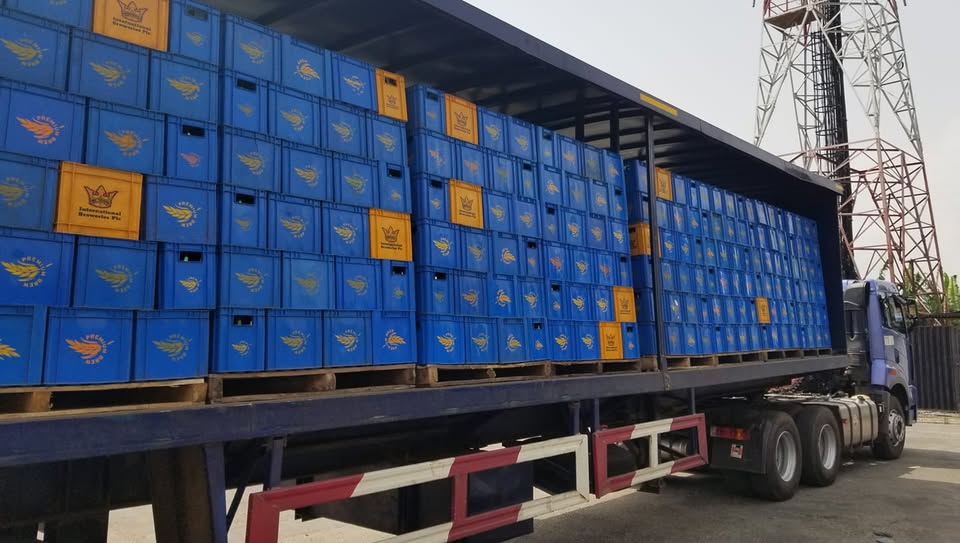
African regional trade continues to expand rapidly, and strategic re-exporting has become a vital part of cross-border business growth. Many companies now import Nigeria goods to re-export via Ghana, taking advantage of Ghana’s Free Zone incentives, strong logistics infrastructure, and simplified trade processes.
This strategy not only reduces costs but also enhances market accessibility across West Africa. For businesses in wholesale distribution, FMCG, and logistics, it’s a practical way to increase regional reach and operational efficiency.
Why Re-exporting Through Ghana Makes Sense
Ghana has positioned itself as one of West Africa’s most efficient trade and logistics hubs. Its Free Zones allow companies to import goods, process or repackage them, and re-export without paying full customs duties.
By choosing to import Nigeria goods to re-export via Ghana, businesses can:
-
Benefit from reduced tariffs and tax exemptions.
-
Access smoother customs clearance procedures.
-
Reach new regional markets faster.
This model particularly benefits distributors and exporters handling bulk commodities, electronics, food products, and fast-moving consumer goods.
Step-by-step: Importing Nigeria Goods to Re-export via Ghana
1. Identify Suitable Goods and Markets
The first step is to determine which Nigerian goods have strong demand in neighboring countries. Items like agricultural products, packaged foods, beauty and personal care items, and household essentials often perform well in re-export markets such as Côte d’Ivoire, Togo, and Burkina Faso.
2. Leverage Ghana’s Free Zone Facilities
Once goods are identified, companies can ship them to Ghana’s Free Zones—such as the Tema or Takoradi industrial areas. These facilities provide duty-free warehousing and re-export support. Businesses can store, label, or repackage goods before re-exporting to target markets.
3. Ensure Compliance and Documentation
Proper documentation is critical when you import Nigeria goods to re-export via Ghana. This includes certificates of origin, export declarations, and customs forms. Partnering with a professional logistics provider ensures compliance with ECOWAS trade rules and avoids costly delays.
4. Manage Logistics Efficiently
Efficient transport and logistics planning are key. Using Ghana’s advanced ports and road networks helps streamline cross-border shipments. Working with a partner like Wigmore Trading allows businesses to coordinate warehousing, distribution, and documentation seamlessly.
Benefits of Using Ghana as a Re-export Base
Lower Trade Costs
Through Ghana’s Free Zone framework, companies enjoy duty exemptions and tax holidays that significantly cut trade expenses, improving overall profit margins.
Access to Regional Markets
Re-exporting through Ghana makes it easier to distribute Nigerian goods across West and Central Africa. This strategy supports regional trade growth and allows businesses to establish a consistent market presence.
Simplified Regulations
Compared to direct exports, Ghana’s trade environment offers smoother customs processes, flexible logistics, and faster turnaround times for cross-border distribution.
How Wigmore Trading Can Help
Wigmore Trading specializes in African import and export operations and has deep expertise in re-export logistics. Whether you want to import Nigeria goods to re-export via Ghana or set up a regional supply chain, Wigmore Trading can help manage every stage from sourcing and documentation to warehousing and final delivery.
The company’s strong presence across West Africa and partnerships with reliable transport networks make it a trusted partner for businesses looking to expand efficiently.
Conclusion
For companies seeking to scale across Africa, choosing to import Nigeria goods to re-export via Ghana offers a strategic pathway to reduce costs, improve logistics, and gain regional access.
With the right planning and a trusted trade partner, this model can transform cross-border trade operations. Wigmore Trading can help. Contact our team today to learn how we can streamline your sourcing, logistics, and re-export processes for greater business success.




Comments are closed.