
How to Import Plastic Recycling Machine from China to Nigeria

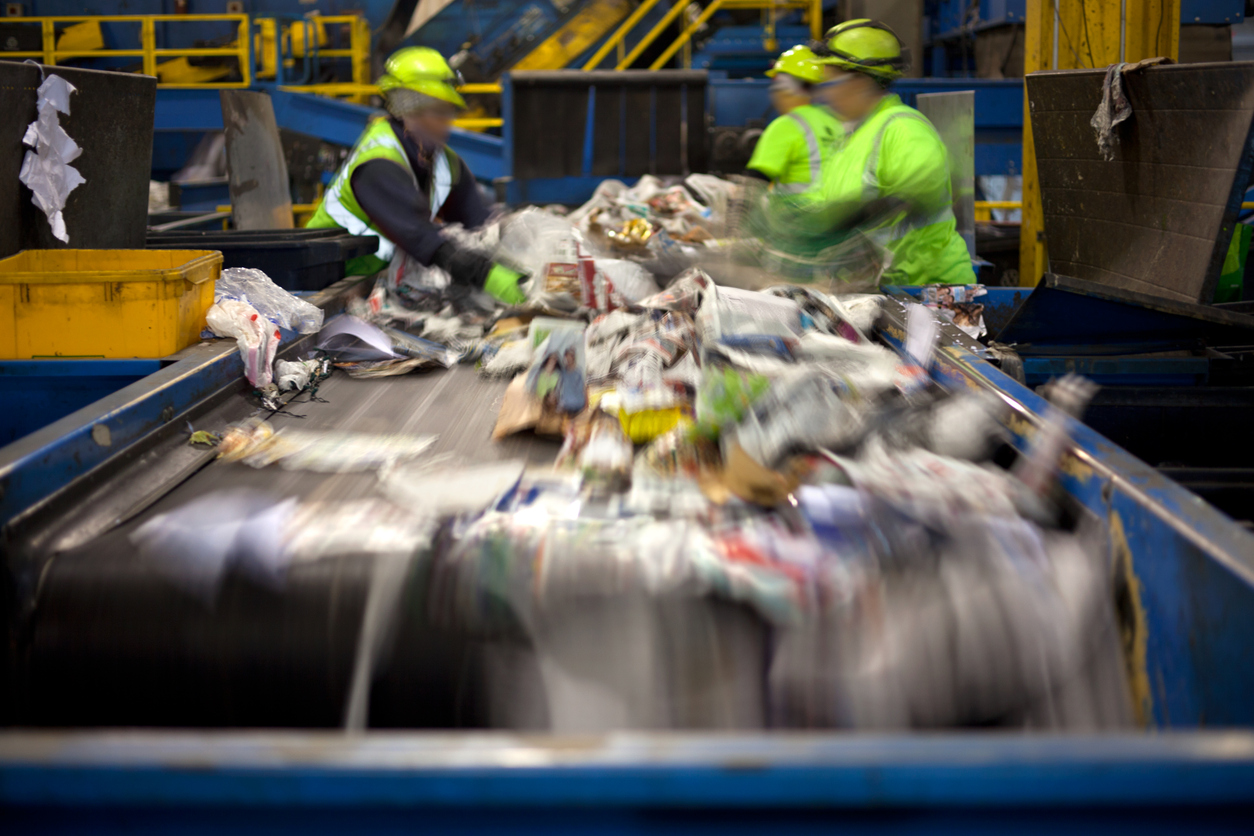
Nigeria’s growing population, rapid urbanisation, and expanding manufacturing sector have significantly increased plastic consumption. At the same time, environmental regulations and sustainability goals are driving demand for efficient recycling solutions. For entrepreneurs and industrial operators, understanding how to import plastic recycling machine from China to Nigeria is a strategic step toward building a profitable and environmentally responsible business.
China remains one of the world’s leading manufacturers of plastic recycling equipment, offering competitive pricing, a wide range of machine capacities, and advanced processing technologies. However, successful importation requires careful planning, regulatory compliance, and reliable logistics coordination.
Why Import Plastic Recycling Machine from China to Nigeria?
Chinese manufacturers dominate the global market for plastic recycling machinery because of their production scale, technological innovation, and cost efficiency. Nigerian businesses can access a variety of equipment types, including plastic shredders, crushers, washing lines, pelletizing machines, and complete recycling plants.
Importing from China provides several advantages:
-
Competitive pricing compared to European or American suppliers
-
Flexible production capacity for small-scale and industrial operations
-
Customizable systems tailored to specific plastic waste streams
However, the process involves more than selecting a machine and placing an order. Buyers must evaluate technical specifications, supplier credibility, shipping arrangements, customs regulations, and after-sales support.
Understanding the Types of Plastic Recycling Machines
Before you import plastic recycling machine from China to Nigeria, it is essential to determine the type of plastic waste you plan to process. Different materials—such as PET bottles, HDPE containers, LDPE films, or PP woven bags—require different processing systems.
A typical plastic recycling line may include:
-
Shredding and crushing units
-
Washing and drying systems
-
Pelletizing or granulating machines
The machine’s output capacity (measured in kg/hour), power consumption, and automation level should match your operational scale. Industrial-scale recycling plants require heavy-duty equipment and higher energy capacity, while small recycling businesses may benefit from compact systems.
Clear technical assessment at this stage prevents costly mismatches and operational inefficiencies.
Regulatory Requirements for Importing Machinery into Nigeria
When you import plastic recycling machine from China to Nigeria, compliance with Nigerian import regulations is critical. Industrial machinery imports are subject to documentation, customs clearance, and applicable duties.
Key requirements typically include:
-
Form M processing through an authorised Nigerian bank
-
Pre-Arrival Assessment Report (PAAR)
-
Bill of Lading and commercial invoice
-
SONCAP certification (if applicable)
The Standards Organisation of Nigeria (SON) may require verification that the machinery meets safety and quality standards. Proper documentation ensures smooth clearance and avoids demurrage charges at Nigerian ports.
Import duties for industrial machinery may vary depending on classification under the HS Code. Engaging experienced trade professionals can help determine the correct classification and applicable charges.
Shipping and Logistics Considerations
Plastic recycling machines are heavy industrial equipment, often shipped in containers or as breakbulk cargo depending on size. Freight planning plays a major role in total landed cost.
Most machinery shipments from China to Nigeria move via sea freight, typically arriving at ports such as Apapa (Lagos) or Tin Can Island. Transit time ranges from four to six weeks depending on the port of origin.
Importers should consider:
-
Container size requirements (20ft, 40ft, or 40ft HQ)
-
Cargo insurance coverage
-
Inland transportation from port to installation site
-
Handling equipment for unloading
Improper freight planning can significantly increase costs or cause delays. Professional freight coordination ensures the machinery arrives safely and on schedule.
Supplier Verification and Quality Control
One of the biggest risks when attempting to import plastic recycling machine from China to Nigeria is dealing with unreliable suppliers. Verifying the manufacturer’s credentials, production capability, and export history is essential.
Due diligence may include factory inspections, review of certifications, checking customer references, and requesting machine testing videos. For high-value machinery, third-party inspection before shipment is strongly recommended.
Quality assurance is particularly important because post-installation repairs or part replacements can be costly and time-consuming if equipment fails to meet expectations.
Installation, Commissioning, and After-Sales Support
Importing the machine is only part of the process. Proper installation and commissioning determine long-term operational success.
Recycling machines require:
-
Adequate power supply and voltage compatibility
-
Industrial-grade floor space
-
Skilled technical operators
-
Spare parts availability
It is advisable to confirm whether the Chinese supplier provides remote technical support, installation guidance, or onsite engineers. Access to spare parts and maintenance support should also be factored into purchasing decisions.
Working with experienced trade partners helps coordinate these aspects to reduce downtime and ensure operational efficiency.
Cost Structure When You Import Plastic Recycling Machine from China to Nigeria
Understanding the full cost structure is essential for profitability. The total landed cost includes:
-
Machine purchase price
-
Freight and insurance
-
Customs duties and port charges
-
Inland transportation
-
Installation and setup costs
Many importers underestimate port handling fees, customs clearance expenses, or inland logistics charges. A comprehensive cost breakdown before placing an order helps prevent budget overruns.
Strategic sourcing and logistics optimisation can significantly reduce total costs while maintaining quality standards.
Risk Management in Machinery Importation
Industrial machinery imports involve financial and operational risks. Currency fluctuations, supplier delays, shipping disruptions, or regulatory changes can affect timelines and budgets.
Risk mitigation strategies include:
-
Using secure payment methods such as Letters of Credit
-
Conducting supplier background checks
-
Insuring cargo adequately
-
Engaging experienced customs agents
Professional trade facilitators can help anticipate and manage these risks efficiently.
How Wigmore Trading Supports Machinery Imports
Successfully managing the process to import plastic recycling machine from China to Nigeria requires coordination across sourcing, freight forwarding, customs clearance, and inland logistics.
Wigmore Trading supports businesses by providing supplier sourcing assistance, international freight coordination, customs documentation management, and end-to-end supply chain solutions. With experience in handling industrial equipment imports and navigating Nigerian port procedures, Wigmore Trading helps reduce delays and improve cost efficiency.
For businesses entering Nigeria’s recycling sector, working with a knowledgeable trade partner can streamline operations and ensure regulatory compliance from start to finish.
Conclusion
Nigeria’s recycling industry presents strong opportunities for entrepreneurs and manufacturers seeking sustainable growth. Choosing to import plastic recycling machine from China to Nigeria offers access to advanced technology at competitive pricing, but success depends on careful supplier selection, regulatory compliance, and professional logistics planning.
A structured approach—from technical evaluation to customs clearance and installation—minimises risks and ensures long-term operational performance.
Wigmore Trading can help. Contact Wigmore Trading today to streamline your sourcing.






Comments are closed.