
How to Import Solar Inverters from China to Nigeria (Step-by-Step Guide for Businesses)

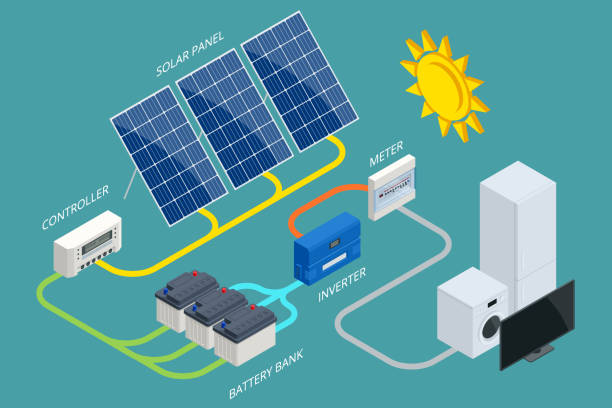
Nigeria’s growing demand for reliable electricity has significantly increased interest in solar energy solutions. As businesses and households seek alternatives to inconsistent grid power, the market for solar equipment—particularly inverters—continues to expand. For distributors, EPC contractors, and renewable energy companies, solar inverter import from China to Nigeria presents a commercially viable opportunity, provided the process is handled correctly.
China remains the world’s largest manufacturer of solar inverters, offering a wide range of models at competitive prices. However, successful importing requires careful attention to supplier verification, product standards, regulatory compliance, and logistics management.
This guide explains what businesses need to know to import solar inverters efficiently and profitably.
Why China Is a Leading Source for Solar Inverters
China dominates global solar equipment manufacturing due to its established supply chains, technological innovation, and economies of scale. Major Chinese manufacturers produce grid-tied, hybrid, and off-grid inverters designed for residential, commercial, and industrial applications.
For Nigerian importers, sourcing from China offers:
-
Competitive unit pricing due to large-scale production
-
Access to advanced inverter technologies
-
Broad product ranges covering various voltage and capacity requirements
-
Customisation options for branding and technical specifications
However, price should not be the sole consideration. Product reliability, warranty support, and after-sales service arrangements are equally important, especially in Nigeria’s challenging operating environment where power fluctuations are common.
Understanding Nigeria’s Solar Inverter Market Demand
The Nigerian market is driven by several factors:
Frequent grid outages and rising diesel costs have made solar solutions increasingly attractive. Small businesses, estates, telecom towers, hospitals, and manufacturing facilities are adopting solar hybrid systems to reduce operational disruptions.
There is particularly strong demand for:
-
Hybrid solar inverters compatible with lithium and tubular batteries
-
High-capacity three-phase inverters for commercial applications
-
Off-grid systems for rural electrification projects
Importers who understand these demand segments can align their sourcing strategy accordingly. Importing unsuitable capacity ratings or incompatible systems often leads to inventory challenges and reduced margins.
Regulatory Requirements for Solar Inverter Import from China to Nigeria
Compliance is a critical aspect of solar inverter import from China to Nigeria. Nigerian authorities require specific certifications before products can enter the market legally.
Key regulatory considerations include:
SONCAP Certification
The Standards Organisation of Nigeria (SON) requires SONCAP certification for regulated electrical products. Inverters must undergo conformity assessment to meet Nigerian Industrial Standards.
Form M and Pre-Arrival Assessment Report (PAAR)
Importers must process Form M through an authorised Nigerian bank before shipment. This is followed by PAAR issuance for customs clearance.
Customs Classification and Duties
Solar inverters are classified under specific HS codes. While some renewable energy products benefit from tariff concessions, duties and levies may still apply depending on classification and policy updates.
Failure to comply can result in delays, demurrage charges, or seizure of goods. Proper documentation planning before shipment is essential.
Selecting Reliable Manufacturers in China
Supplier verification is one of the most important steps in solar inverter import from China to Nigeria. The Chinese market includes both reputable Tier-1 manufacturers and smaller factories with varying quality standards.
Before placing orders, importers should:
-
Verify business licenses and export credentials
-
Review product certifications (CE, IEC, RoHS)
-
Request product samples or conduct third-party inspection
-
Confirm warranty terms and spare parts availability
It is also important to assess whether the inverter models are compatible with Nigeria’s voltage stability challenges and battery types commonly used in the local market.
Working with experienced sourcing partners can significantly reduce risk. Companies like Wigmore Trading support Nigerian importers by conducting supplier due diligence, factory inspections, and quality assurance checks before shipment.
Shipping and Logistics Considerations
Solar inverters are sensitive electronic equipment and must be properly packaged to prevent transit damage. Most shipments move via sea freight from major Chinese ports such as Shenzhen, Guangzhou, or Shanghai to Nigerian ports like Apapa or Tin Can Island.
Importers must decide between:
Full Container Load (FCL)
Suitable for bulk orders and large-scale distribution businesses.
Less than Container Load (LCL)
More appropriate for smaller consignments but may increase handling risk.
Transit time typically ranges from four to six weeks depending on routing and port congestion. Air freight is faster but often cost-prohibitive for heavy inverter shipments.
Efficient freight forwarding, cargo insurance, and customs coordination are crucial to avoid unexpected costs. Wigmore Trading assists clients in managing end-to-end logistics, ensuring documentation accuracy and smooth port clearance.
Managing Quality Control and After-Sales Support
One of the biggest risks in solar inverter import from China to Nigeria is product failure after installation. Poor-quality inverters can damage brand reputation and lead to costly warranty claims.
To mitigate this risk, importers should implement pre-shipment inspection procedures. Functional testing, packaging checks, and serial number verification are recommended before goods leave China.
Equally important is after-sales planning. Businesses should ensure:
-
Availability of spare parts
-
Clear warranty claim processes
-
Technical support training for installers
Some Nigerian distributors negotiate technical training sessions directly with manufacturers or work with partners who can provide local technical guidance.
Cost Structure and Profit Margins
Understanding the full landed cost is essential before committing to large orders. Importers must calculate:
- Product cost from supplier
- Freight charges
- Marine insurance
- Port handling charges
- Customs duties and levies
- Clearing agent fees
- Inland transportation
Hidden costs such as demurrage due to documentation errors can erode profit margins quickly. A detailed cost analysis helps determine viable resale pricing in Nigeria’s competitive solar market.
By consolidating shipments and optimising freight arrangements, businesses can improve margin performance.
How Wigmore Trading Supports Solar Equipment Importers
Navigating international sourcing and Nigerian import procedures can be complex, especially for growing renewable energy distributors.
Wigmore Trading provides practical support across the supply chain, including:
- Supplier sourcing and verification in China
- Quality control inspections
- Freight forwarding coordination
- Documentation compliance assistance
- Customs clearance support in Nigeria
- Distribution and warehousing solutions
This integrated approach helps reduce operational risks while ensuring timely delivery to market.
Conclusion: Building a Sustainable Solar Import Business
The opportunity for solar inverter import from China to Nigeria remains strong as energy demand continues to outpace grid supply. However, success depends on more than simply finding low-cost suppliers. Importers must prioritise compliance, product quality, logistics efficiency, and reliable after-sales support.
Businesses that invest in proper supplier vetting, regulatory compliance, and structured logistics planning are better positioned to compete in Nigeria’s growing renewable energy sector.
Wigmore Trading can help. Contact Wigmore Trading today to streamline your sourcing.




Comments are closed.