
How to Manage Aluminium Import from China to UK Efficiently

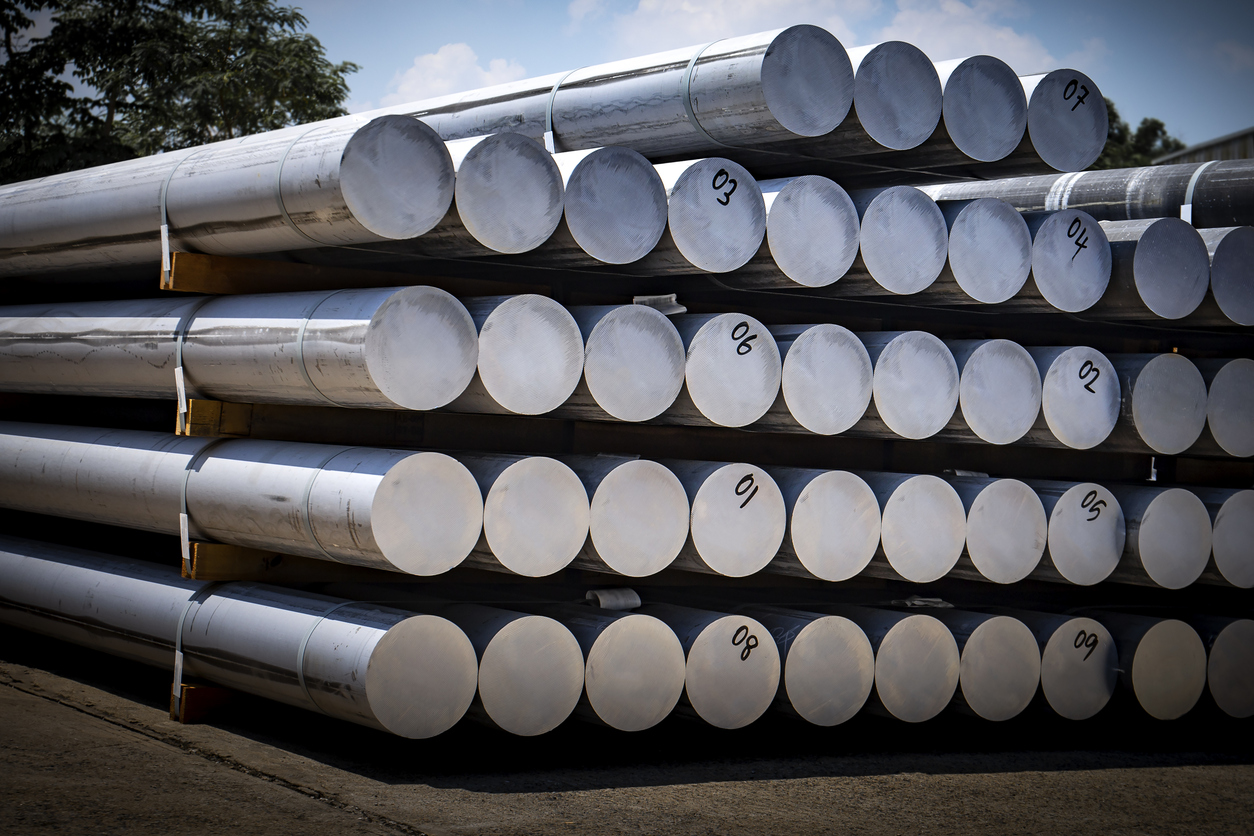
The aluminium import from China to UK market plays a vital role in supporting British manufacturing, construction, automotive production, packaging, and engineering industries. As one of the world’s largest aluminium producers, China offers competitive pricing, broad product variety, and scalable supply capacity. However, importing aluminium into the UK requires careful attention to quality standards, customs compliance, trade regulations, and logistics planning.
For UK businesses, understanding how to manage aluminium imports efficiently can reduce costs, minimise delays, and protect supply chain reliability.
Understanding the Aluminium Import from China to UK Market
China supplies a wide range of aluminium products to the UK, including primary aluminium, aluminium ingots, billets, sheets, coils, extrusions, and fabricated components. Many UK manufacturers depend on these imports due to cost advantages and the ability to source customised specifications at scale.
However, the aluminium import from China to UK process has become more complex in recent years due to evolving trade regulations, anti-dumping measures, environmental standards, and post-Brexit customs procedures. Businesses must ensure that their imports meet UK trade requirements and industry standards while maintaining cost competitiveness.
Working with an experienced sourcing and logistics partner can help businesses navigate these challenges effectively.
Key Regulations for Aluminium Import from China to UK
When importing aluminium into the UK, companies must comply with customs, trade, and product regulations. These typically include:
-
Correct commodity codes (HS codes) for aluminium products
-
Payment of applicable customs duties and VAT
-
Compliance with UK trade remedy measures, including anti-dumping duties where applicable
-
Documentation such as commercial invoices, packing lists, and bills of lading
-
Proof of origin documentation
Trade remedy measures are particularly important in the aluminium sector. The UK Trade Remedies Authority may apply duties to certain aluminium products originating from China to protect domestic producers. Importers must verify whether their specific product category is subject to additional tariffs.
Careful product classification and documentation reduce the risk of shipment delays or unexpected charges at the port of entry.
Quality Standards and Product Specifications
Aluminium products imported into the UK must meet British and international standards, depending on their intended application. For example, construction-grade aluminium may require compliance with BS EN standards, while aluminium used in food packaging must meet strict safety requirements.
Buyers should clearly define specifications before placing orders, including:
-
Alloy grade and chemical composition
-
Mechanical properties
-
Surface finish requirements
-
Dimensions and tolerances
-
Certification requirements (e.g., mill test certificates)
Without clear technical specifications, businesses risk receiving products that do not meet performance or regulatory requirements. Independent quality inspections prior to shipment can help verify compliance and prevent costly rework.
Wigmore Trading supports clients in managing supplier due diligence, quality control coordination, and documentation review to ensure imported aluminium meets UK standards.
Logistics and Shipping Considerations
Shipping aluminium from China to the UK typically involves sea freight, either in full container loads (FCL) or less-than-container loads (LCL), depending on volume. Transit times usually range between four and six weeks, though this can vary depending on port congestion and shipping routes.
Aluminium products are often heavy and require careful packaging to prevent damage during transport. Moisture protection is especially important to avoid corrosion during long sea journeys.
Importers must also plan for:
-
Port handling and customs clearance
-
Inland transportation within the UK
-
Storage and warehousing arrangements
-
Insurance coverage for high-value cargo
Delays in any part of the logistics chain can disrupt manufacturing schedules. Coordinated freight management and proactive customs handling are essential to maintaining a stable supply chain.
Wigmore Trading assists businesses with freight forwarding, customs coordination, and end-to-end supply chain management, helping reduce risk and improve delivery reliability.
Cost Factors in Aluminium Import from China to UK
The total landed cost of aluminium imports extends beyond the supplier’s quoted price. Businesses should account for:
-
Product cost and minimum order quantities
-
Ocean freight charges
-
Insurance
-
Customs duties and VAT
-
Port handling fees
-
Inland transport costs
-
Inspection and compliance expenses
Currency exchange fluctuations can also significantly affect overall cost. Companies importing aluminium on a regular basis may benefit from strategic procurement planning and forward contracts to manage currency risk.
A thorough landed cost analysis allows businesses to compare domestic sourcing versus international procurement more accurately.
Managing Supply Chain Risks
Global supply chains remain vulnerable to disruptions caused by geopolitical tensions, trade policy changes, shipping delays, and raw material price volatility. Aluminium markets are particularly sensitive to energy costs and environmental regulations, both of which affect production in China.
To mitigate these risks, businesses should diversify suppliers, maintain appropriate safety stock levels, and monitor trade policy developments closely. Transparent supplier relationships and clear contractual agreements are essential for managing long-term partnerships.
By working with a trusted trade intermediary, companies can gain better visibility over supplier performance, compliance requirements, and logistics coordination. Wigmore Trading supports clients in building resilient procurement strategies that align with UK regulations and market conditions.
Why Strategic Planning Matters for Aluminium Import from China to UK
The aluminium import from China to UK process offers significant commercial opportunities, but it requires careful planning and regulatory awareness. From product specification and supplier verification to customs compliance and freight management, every stage must be handled with precision.
Businesses that invest in proper due diligence, documentation accuracy, and logistics coordination are better positioned to achieve cost savings while maintaining product quality and compliance.
With the right sourcing strategy and supply chain support, aluminium imports can become a stable and competitive component of your procurement model.
Wigmore Trading can help. Contact Wigmore Trading today to streamline your sourcing.




Comments are closed.