
How to Navigate Lithium Battery Import from UK Successfully

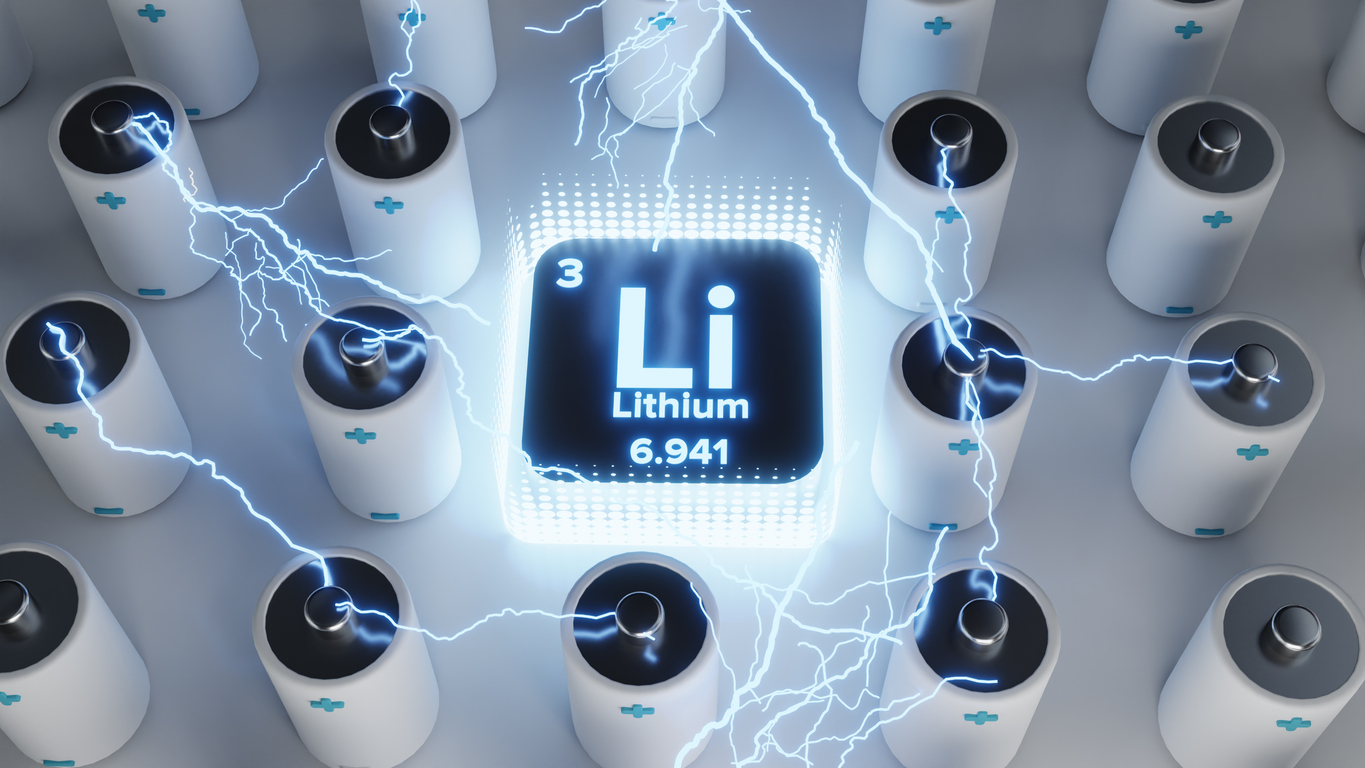
The global demand for lithium batteries continues to rise, driven by growth in electric vehicles (EVs), renewable energy storage systems, consumer electronics, and industrial applications. For businesses across Africa and emerging markets, lithium battery import from UK presents a strategic opportunity to access high-quality, compliant, and technologically advanced battery products.
However, importing lithium batteries involves strict regulations, logistics considerations, and safety compliance requirements. This guide explains everything importers, wholesalers, and logistics operators need to know—while highlighting how Wigmore Trading can support your sourcing and supply chain needs.
Why Import Lithium Batteries from the UK?
The UK is a reputable source of lithium batteries due to its strong regulatory framework, established suppliers, and access to global manufacturing networks.
1. High Compliance and Quality Standards
UK-based suppliers typically adhere to:
-
UN38.3 testing requirements for lithium batteries
-
IEC safety standards
-
CE/UKCA certifications
-
IATA and IMDG transport regulations
These certifications ensure the batteries are safe for transportation and meet international standards—critical when importing into African markets with increasing regulatory oversight.
2. Access to Advanced Energy Storage Solutions
The UK market offers a wide range of lithium battery technologies, including:
-
Lithium-ion (Li-ion)
-
Lithium iron phosphate (LiFePO4)
-
EV battery modules
-
Solar storage batteries
-
Industrial and backup power systems
For importers serving renewable energy, telecom infrastructure, or electric mobility sectors, sourcing from the UK provides access to reliable and scalable battery solutions.
Key Considerations When Handling Lithium Battery Import from UK
Lithium batteries are classified as dangerous goods. Proper planning is essential to avoid delays, penalties, or cargo rejection.
1. Regulatory Compliance and Documentation
When importing lithium batteries from the UK, ensure you obtain:
-
UN38.3 test summary reports
-
Material Safety Data Sheets (MSDS)
-
Certificate of conformity
-
Commercial invoice and packing list
-
Bill of lading or airway bill
Without complete documentation, shipments may be held at customs or rejected by carriers. Working with an experienced sourcing and logistics partner like Wigmore Trading helps ensure compliance is handled correctly from the start.
2. Shipping and Dangerous Goods Classification
Lithium batteries fall under strict transport classifications:
-
UN3480 – Lithium-ion batteries
-
UN3481 – Lithium-ion batteries contained in equipment
-
UN3090 – Lithium metal batteries
Air freight restrictions are particularly stringent due to fire risks. Some shipments may require:
-
State of Charge (SoC) limitations
-
Special packaging
-
Dangerous goods declaration
For bulk importers and wholesale distributors, sea freight is often more cost-effective and suitable for large consignments.
Wigmore Trading assists clients in managing freight forwarding, dangerous goods handling, and compliant packaging solutions to minimize risk.
3. Import Duties and Tariffs
Before proceeding with lithium battery import from UK, businesses must evaluate:
-
HS code classification
-
Import duty rates in destination country
-
VAT or local tax obligations
-
Environmental compliance requirements
Post-Brexit trade arrangements may also impact documentation and origin declarations. A professional trade partner ensures accurate tariff classification to prevent unexpected costs.
Market Opportunities for Lithium Battery Importers
Profitable lithium battery import from UK depends on targeting industries with consistent and scalable energy demand.
Renewable Energy Sector
Solar and hybrid energy projects increasingly require lithium batteries because they store power more efficiently and last significantly longer than traditional alternatives. This makes them ideal for off-grid systems, commercial solar installations, and mini-grid developments across African markets.
Electric Mobility
The growth of electric motorcycles, buses, and delivery fleets is increasing demand for reliable EV battery packs and replacement modules. Importers can supply transport operators, mobility startups, and fleet managers seeking durable and compliant lithium systems.
Telecom and Backup Power
Telecom towers, data centers, and industrial facilities require stable backup energy to prevent downtime and revenue loss. Lithium batteries provide faster charging, longer cycle life, and better performance compared to conventional lead-acid solutions.
Common Challenges in Lithium Battery Import from UK
Despite the opportunity, importers face several operational challenges.
1. Supplier Verification
Not all suppliers meet international standards. Poor-quality lithium batteries can lead to safety hazards, recalls, or reputational damage.
Solution: Conduct supplier due diligence, request third-party certifications, and work with established trade facilitators like Wigmore Trading.
2. Logistics Delays Due to Compliance Errors
Incorrect labeling, missing documentation, or improper packaging can result in shipment delays.
Solution: Partner with experienced logistics providers who understand dangerous goods transport requirements.
3. Cash Flow and Bulk Purchasing Risks
Lithium batteries often require minimum order quantities. Importers must balance inventory costs with market demand.
Solution: Structured sourcing agreements and consolidated shipping options can reduce financial exposure. Wigmore Trading supports bulk procurement strategies and efficient shipment consolidation.
How Wigmore Trading Supports Lithium Battery Importers
As a trusted sourcing and distribution partner, Wigmore Trading helps businesses streamline the entire import process.
Supplier Sourcing and Verification
Wigmore Trading connects importers with verified UK suppliers that meet international battery safety standards. This reduces the risk of counterfeit or substandard products.
Logistics and Freight Coordination
From dangerous goods handling to customs clearance, Wigmore Trading ensures lithium battery shipments are transported safely and compliantly.
Trade Advisory and Market Entry Support
For companies expanding into African markets, Wigmore Trading provides guidance on import regulations, tariff structures, and distribution strategies.
This integrated approach allows wholesalers, distributors, and project developers to focus on sales and growth while supply chain complexities are professionally managed.
Best Practices for Successful Lithium Battery Import from UK
To maximize profitability and reduce risk:
-
Verify certifications before placing orders
Always confirm UN38.3 and safety documentation to prevent shipment rejection. -
Choose appropriate freight mode
Sea freight is generally more economical for bulk imports, while air freight is suitable for urgent consignments. -
Plan for regulatory changes
Monitor evolving import laws, especially in renewable energy and EV sectors. -
Work with experienced trade partners
Lithium batteries are high-value and regulated products. Professional handling significantly reduces operational risks.
Final Thoughts
The growth of renewable energy, electric mobility, and advanced electronics continues to drive demand for lithium batteries globally. For distributors and project developers, lithium battery import from UK offers access to high-quality, compliant products backed by strong regulatory standards.
However, due to strict dangerous goods regulations and documentation requirements, careful planning is essential. Partnering with an experienced trade and logistics provider ensures smoother sourcing, shipping, and customs clearance.
Wigmore Trading can help. Contact Wigmore Trading today to streamline your sourcing and ensure compliant lithium battery imports from the UK.





Comments are closed.