
How to Recover Lost Money in Nigeria on Trade Deals

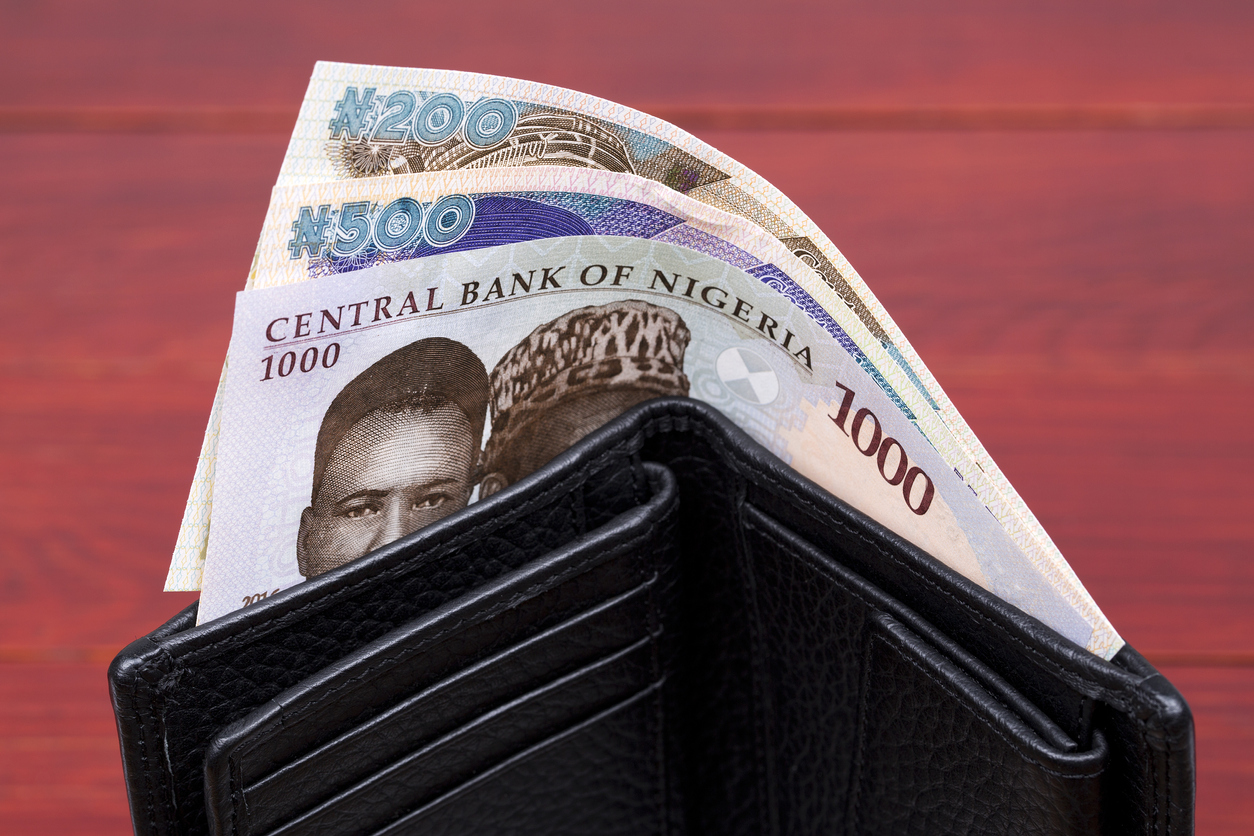
Doing business in Nigeria offers strong growth potential, but it also exposes companies to risks such as unpaid invoices, failed shipments, and disputed payments. When something goes wrong, many international traders assume the money is gone for good. In reality, with the right information, partners, and process, it is often possible to recover lost money in Nigeria—or at least minimise the impact on your balance sheet.
Below, we look at practical steps you can take, how to prevent repeat losses, and where a specialist partner like Wigmore Trading can support you.
Why Businesses Need to Recover Lost Money in Nigeria
In fast-moving sectors such as FMCG, wholesale distribution and import/export, funds can be lost in several ways:
-
Unpaid invoices from retailers or distributors
-
Advance payments to unreliable suppliers who fail to ship
-
Lost or damaged cargo in transit or at port
-
Disputed quality of goods delivered
-
Banking and FX issues, including failed transfers or incorrect beneficiary details
For companies outside Nigeria, distance, different legal systems, and limited local presence can make recovery difficult. However, understanding the most common problem areas is the first step to recover lost money in Nigeria in a systematic way rather than writing it off as a bad debt.
First Steps to Recover Lost Money in Nigeria
When a payment goes missing or a shipment problem occurs, acting quickly and methodically is essential.
1. Gather documentation and evidence
Compile every relevant document: contracts, pro forma invoices, bills of lading, purchase orders, bank transfer confirmations, emails, WhatsApp messages, inspection reports, and proof of delivery. Clear documentation will support any negotiation, legal claim or insurance process.
2. Reconcile accounts and confirm banking details
Before escalating, check for administrative errors. Mis-typed account details, incorrect SWIFT codes or changes in bank information are common causes of delayed funds. Reconcile your internal records with bank statements to confirm whether the money actually left your account and whether it has been returned.
3. Engage directly but formally with your counterparty
To recover lost money in Nigeria, start with a structured, professional communication:
-
Summarise the issue and the amount in dispute
-
Attach supporting documents
-
Propose a clear resolution or repayment plan
-
Set timelines for response
Many disputes are resolved at this stage if handled professionally and without accusations.
4. Use local expertise where required
If communication stalls or you suspect fraud, it becomes harder to recover lost money in Nigeria without support from local professionals. Depending on the situation, this may include:
-
Nigerian legal counsel with experience in commercial or maritime law
-
A local collection agent for overdue invoices
-
A trading company such as Wigmore Trading that can investigate, mediate, and advise on realistic recovery options
Working With Banks, Insurers and Carriers to Recover Funds
When funds or goods are lost in the financial or logistics chain, focusing on the correct party is critical.
-
Banks and financial institutions: If a transfer is missing, lodge a formal complaint with your bank. They can trace funds, reverse transfers in specific cases, or obtain proof of credit/non-credit from the Nigerian receiving bank.
-
Cargo insurance providers: For lost or damaged shipments, notify your insurer immediately and follow their claims procedure. Timely reporting and accurate documentation determine whether you can recover lost money in Nigeria through your policy.
-
Carriers and freight forwarders: For late, misrouted or damaged cargo, file a claim based on the agreed Incoterms and carriage contract. Evidence like photos, survey reports and signed delivery notes are essential.
An experienced logistics and trading partner like Wigmore Trading can coordinate between banks, insurers and forwarders, helping you navigate Nigerian ports, customs procedures and documentation to support the claim.
Prevent Future Losses When Trading With Nigeria
Recovering funds is important, but prevention is even more valuable. Companies trading with Nigeria can significantly reduce risk by tightening their processes.
Stronger counterpart due diligence
Verify the track record, physical presence and trading history of suppliers and customers. Check references, review financial stability where possible, and confirm they have a genuine footprint in the Nigerian market.
Secure payment structures
Instead of large unsecured advances, consider:
-
Letters of credit
-
Escrow accounts
-
Partial prepayment with balance on shipment or delivery
-
Credit insurance for key accounts
These structures make it less likely that you will need to recover lost money in Nigeria after the fact.
Clear contracts and Incoterms
Ensure contracts are written with precise terms on quality standards, delivery responsibilities, dispute resolution mechanisms and governing law. Proper use of Incoterms (e.g., FOB, CIF, DAP) clarifies who bears risk at each stage of the movement of goods.
Reliable logistics and local representation
Partnering with a company that already understands Nigerian customs, ports, and distribution networks reduces the chance of operational errors and lost shipments. It also provides a local contact point if something goes wrong.
How Wigmore Trading Helps Businesses Recover Lost Money in Nigeria
Wigmore Trading works with importers, exporters, wholesalers and FMCG brands that trade with and within Nigeria. When clients face potential financial loss, Wigmore Trading can:
-
Review documentation and identify realistic recovery options
-
Liaise with local partners, port operators, carriers and banks
-
Help negotiate settlements or revised delivery terms
-
Advise on restructuring deals to prevent repeat losses
-
Support ongoing sourcing, distribution and logistics in Nigeria and across Africa
This combination of on-the-ground knowledge and international trading expertise can make the difference between a total write-off and a partial or full recovery.
Conclusion: Take a Structured Approach to Recover Lost Money in Nigeria
Losing money on Nigerian trade deals is not inevitable, and it is not always permanent. With organised documentation, professional negotiation, the correct use of banks and insurers, and strong local partners, businesses stand a realistic chance to recover lost money in Nigeria and improve the resilience of their future operations.
If you need support resolving a difficult transaction or strengthening your trade setup in Nigeria, Wigmore Trading can help.






Comments are closed.