
How to Restructure Your BOM to Lower US Tariffs

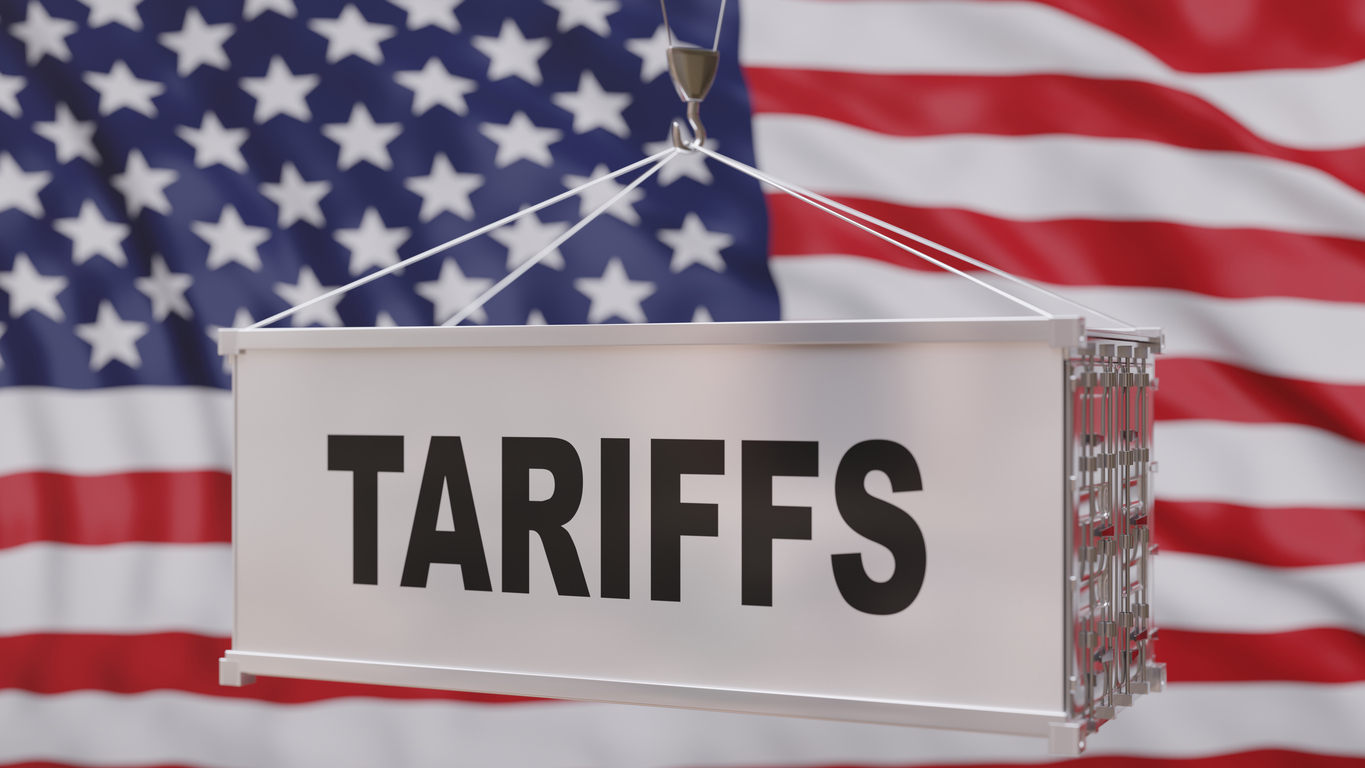
In today’s global trade environment, the cost of imported goods is heavily influenced by how a company manages its Bill of Materials (BOM). Many importers and manufacturers are now looking for strategic ways to restructure their BOM to reduce exposure to high US tariffs—especially those related to Section 301 and Section 232 duties. Understanding how to optimize your product components can lead to significant savings and improve your supply chain resilience.
What Does It Mean to Restructure a BOM?
A Bill of Materials (BOM) is a detailed list of all raw materials, components, and subassemblies required to manufacture a finished product. Restructuring a BOM means modifying the source, composition, or classification of these components to achieve cost, compliance, or tariff benefits.
When properly managed, this process can help companies legally minimize customs duties by changing the country of origin or harmonized tariff classification (HTS code) of their goods.
For example, if a product includes multiple imported components from China, restructuring its BOM to source some of those components from other countries may shift the final product’s origin—potentially reducing or eliminating Section 301 tariffs.
Why US Tariffs Are Impacting Global Supply Chains
The US has imposed additional tariffs on imports from certain countries under trade laws such as Section 301 (China tariffs) and Section 232 (steel and aluminum tariffs). These tariffs significantly increase the cost of doing business for importers.
Companies in industries like electronics, automotive, machinery, and consumer goods have seen their profit margins shrink due to these added duties. As a result, strategic sourcing and BOM restructuring have become essential tools to maintain competitiveness in the US market.
Wigmore Trading, with its deep experience in international trade and global sourcing, understands these challenges. We help businesses identify smarter sourcing routes and materials to reduce import costs while ensuring product quality and compliance.
Practical Ways to Restructure Your BOM and Lower Tariffs
Restructuring your BOM should be a data-driven process that considers supply chain, production, and customs implications. Here are practical steps companies can take:
1. Reevaluate Sourcing Countries
Identify which parts of your BOM contribute the most to tariff costs. Switching suppliers to low-tariff or tariff-free countries can significantly reduce expenses. For instance, sourcing subcomponents from countries with preferential trade agreements with the US can change the overall duty rate applied to the finished product.
2. Review Tariff Classification (HTS Codes)
Tariff classifications determine duty rates. By reviewing and correctly assigning Harmonized Tariff Schedule (HTS) codes, companies can sometimes reclassify products to a category with lower or zero tariffs—provided it aligns with customs regulations.
3. Consider Product Transformation
When manufacturing or assembly takes place in a different country, it can alter the country of origin of the final good. This “substantial transformation” may qualify the product for a different tariff treatment, reducing or eliminating duties altogether.
4. Optimize Material and Component Mix
Some materials attract higher tariffs than others. Adjusting your BOM to use alternative components that meet the same performance standards can lower your overall tariff liability.
5. Collaborate with a Trade Compliance Expert
Partnering with a logistics and trade compliance expert such as Wigmore Trading ensures your restructuring is compliant, cost-effective, and strategically sound. We assist businesses in analyzing BOM structures, identifying tariff reduction opportunities, and ensuring compliance with US Customs and Border Protection (CBP) regulations.
How Wigmore Trading Can Help
At Wigmore Trading, we help manufacturers, distributors, and importers optimize sourcing and trade operations through smarter procurement and compliance strategies. Our team can assist in:
-
Tariff impact analysis for imported products
-
Supplier diversification and sourcing optimization
-
Customs compliance consulting
-
End-to-end logistics and distribution services
By leveraging our experience across African, Asian, and European supply networks, we help clients reduce costs while maintaining product integrity and delivery timelines.
Conclusion
Restructuring your BOM to lower US tariffs is more than a paperwork exercise—it’s a strategic decision that can transform your business’s financial outlook. Whether it’s sourcing smarter, reclassifying materials, or shifting production locations, each decision contributes to a more competitive and compliant supply chain.
Get in touch with our team today to explore practical ways to reduce your tariff exposure and strengthen your international trade strategy.





Comments are closed.