
How to Set Up a PET Bottle Manufacturing Plant in Nigeria

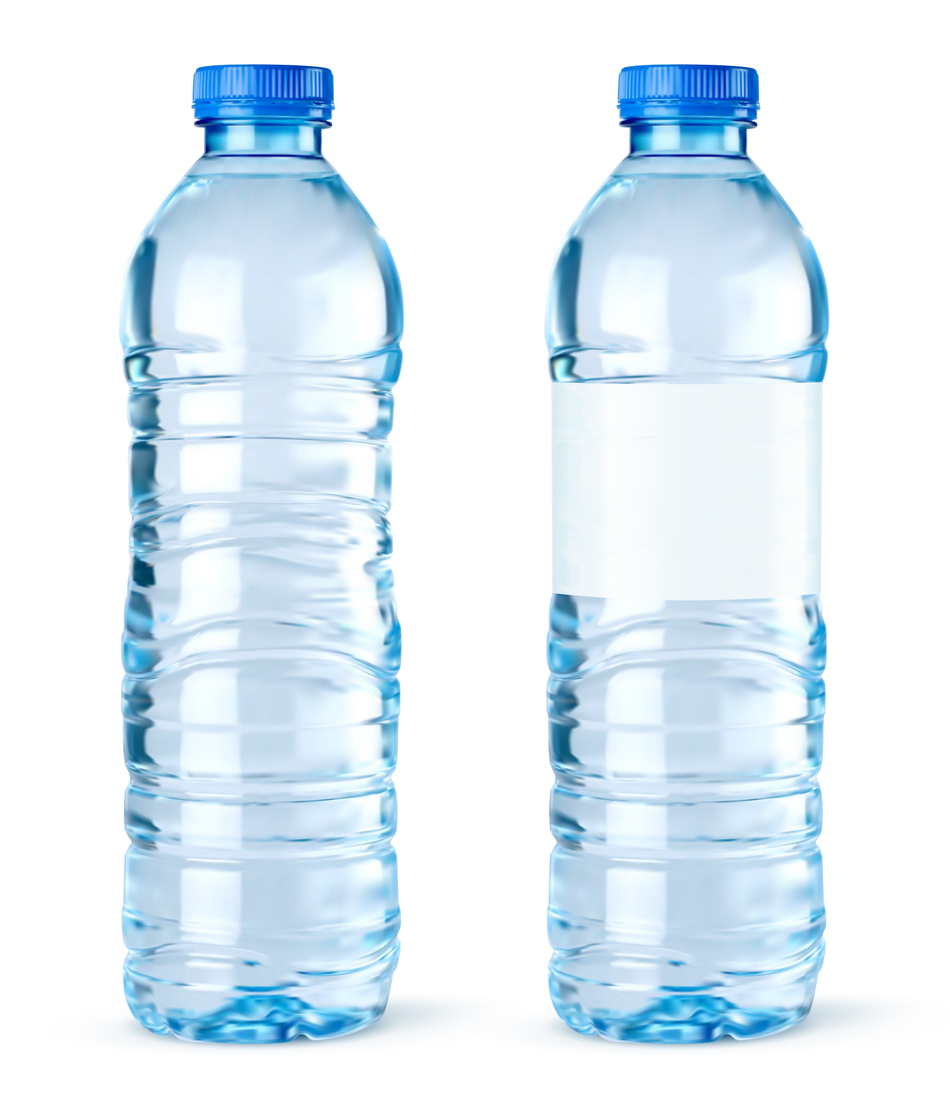
A PET bottle manufacturing plant in Nigeria can serve a wide range of fast-moving consumer goods businesses, including beverage producers, water bottlers, edible oil brands, household chemical suppliers, and personal care manufacturers. As packaging demand grows across Nigeria, local bottle production has become increasingly important for businesses that want shorter lead times, more control over supply, and reduced dependence on imported packaging materials.
PET, or polyethylene terephthalate, remains one of the most widely used packaging materials for bottles because it is lightweight, durable, and suitable for high-volume production. For Nigerian manufacturers and distributors, investing in local PET bottle production can support more efficient supply chains and improve responsiveness to changing market demand.
Why PET Bottle Production Matters in Nigeria
Nigeria has a large consumer market with strong demand for packaged goods. Bottled water, carbonated drinks, juices, cooking oil, pharmaceuticals, and cleaning products all rely on consistent packaging supply. When bottles or preforms are delayed, the impact is felt across the entire value chain, from production scheduling to final distribution.
A local PET bottle manufacturing plant can help solve several common challenges:
-
reduced lead times for packaging supply
-
lower transport costs compared with imported finished bottles
-
improved inventory control
-
better flexibility for custom bottle sizes and designs
-
stronger support for domestic manufacturing
For many businesses, packaging is not just a purchasing decision. It is a core operational issue that affects output, brand presentation, warehousing, and delivery performance.
Core Components of a PET Bottle Manufacturing Plant
Setting up a PET bottle manufacturing plant in Nigeria requires careful planning across machinery, raw materials, utilities, and operations. The main production model usually involves manufacturing PET preforms, then using blow moulding machines to convert them into finished bottles. Some plants focus only on bottle blowing, while others operate a more integrated setup.
Typical components include:
1. Raw materials
The main input is PET resin. Depending on the product category, businesses may also require colorants, additives, caps, labels, and packaging materials for dispatch.
2. Production equipment
A plant may include injection moulding machines for preforms, blow moulding machines, air compressors, chillers, moulds, conveyors, and quality control equipment. Choosing the right machine capacity depends on expected output volumes and bottle specifications.
3. Power and utilities
Reliable electricity, water, and compressed air are essential. In Nigeria, utility planning is especially important because inconsistent power supply can affect production continuity and maintenance costs.
4. Quality control systems
Bottle weight, wall thickness, neck finish, leak resistance, and dimensional accuracy all need to be checked consistently. Poor packaging quality can create filling line problems and product losses.
Key Business Considerations Before Investment
Before launching a PET bottle manufacturing plant in Nigeria, investors should assess the commercial and operational environment carefully.
Market demand
It is important to identify target sectors early. Water bottlers may require high-volume standard bottles, while cosmetics and pharmaceutical clients may need smaller production runs and custom designs.
Location
A plant should be positioned with logistics in mind. Proximity to industrial customers, road access, warehousing space, and distribution routes can all affect long-term efficiency.
Compliance
Manufacturers need to comply with relevant Nigerian regulatory, environmental, and product standards. This may include company registration, factory permits, packaging standards, and sector-specific requirements depending on the final use of the bottles.
Supply chain risk
PET resin sourcing, spare parts availability, transport delays, and foreign exchange exposure can all create pressure on production planning. A strong procurement and logistics strategy is essential from the beginning.
Common Challenges and How to Manage Them
One of the main challenges in bottle manufacturing is maintaining a stable flow of raw materials and machine components. Imported inputs can face customs delays, shipping disruptions, or price volatility. Another issue is balancing production capacity with actual customer demand. Overinvestment in equipment can create idle capacity, while underinvestment can lead to missed orders.
This is where working with an experienced trade and supply chain partner becomes valuable. Wigmore Trading supports businesses across sourcing, import processes, distribution planning, and logistics coordination. For companies developing a PET bottle manufacturing plant in Nigeria, practical support in supplier sourcing, procurement management, and cargo handling can reduce startup friction and improve supply reliability.
Wigmore Trading can also help businesses secure essential production inputs, manage inbound shipments, and streamline movement across the wider Nigerian and West African market. That is particularly useful for manufacturers that need dependable access to materials while keeping operations commercially efficient.
Conclusion
A PET bottle manufacturing plant in Nigeria offers strong potential for businesses serving the country’s growing packaged goods economy. However, success depends on more than purchasing machinery. Investors must plan around raw material sourcing, plant location, quality assurance, compliance, and logistics from the outset.
With the right setup, local PET bottle production can support faster turnaround times, better supply chain control, and stronger service to FMCG, beverage, and industrial customers.
Wigmore Trading can help. Contact Wigmore Trading today to streamline your sourcing.


Comments are closed.