
How to Set Up a Prefabricated Building Materials Factory in Nigeria

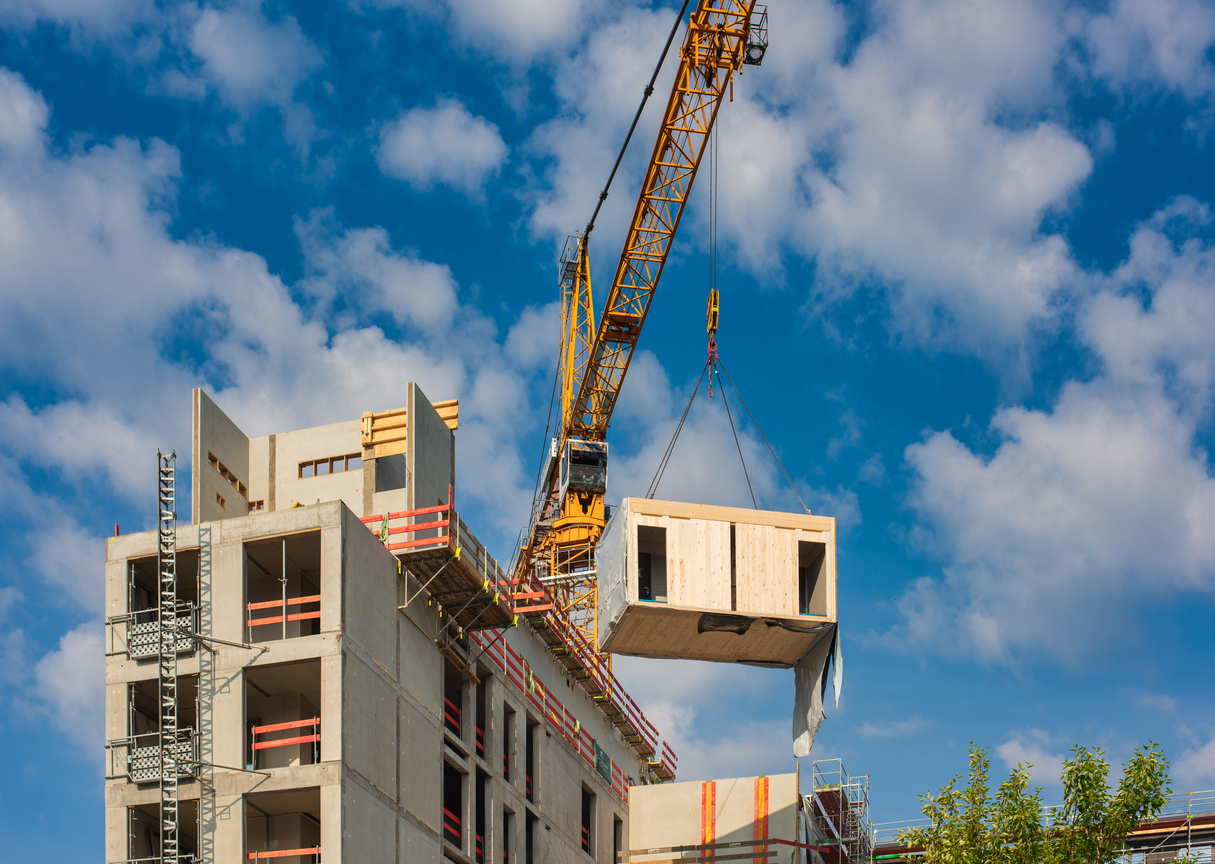
Nigeria’s construction sector is expanding rapidly, driven by urbanisation, infrastructure development, and housing demand. As developers seek faster and more cost-effective building solutions, prefabricated construction is gaining traction. Establishing a prefabricated building materials factory in Nigeria presents strong commercial potential, particularly for investors, distributors, and construction firms looking to optimise efficiency and reduce project timelines.
Understanding Prefabricated Building Materials
Prefabricated (prefab) materials are manufactured off-site in controlled factory environments and then transported for assembly at construction sites. Common products include:
-
Precast concrete panels
-
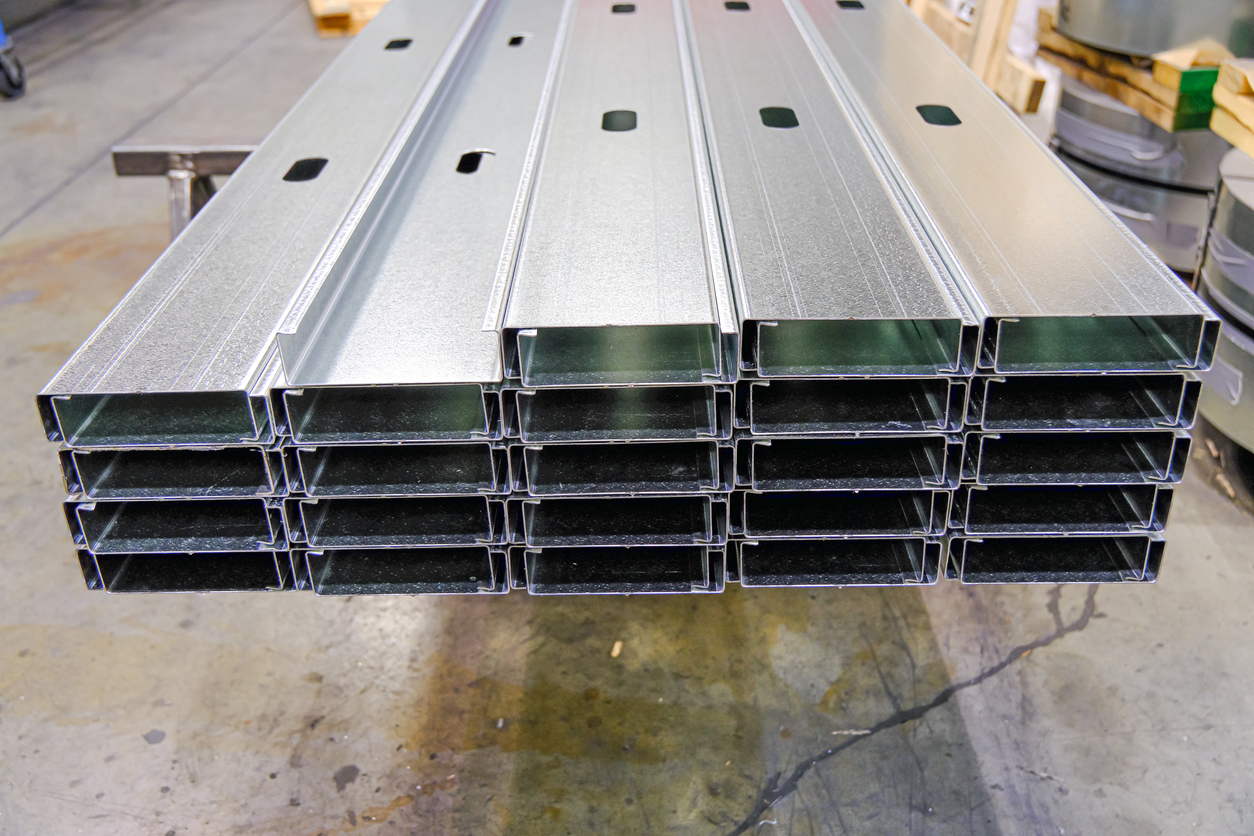
Modular steel frames
-
Insulated wall panels
-
Roofing systems
-
Portable structures
This method reduces on-site labour, minimises waste, and ensures consistent quality—key advantages in Nigeria’s often unpredictable construction environment.
Market Demand in Nigeria’s Construction Sector
Nigeria faces a significant housing deficit, alongside increasing demand for commercial and industrial infrastructure. Prefabrication addresses several critical challenges:
-
Speed of construction: Projects can be completed faster compared to traditional methods
-
Cost control: Reduced labour and material waste lowers overall costs
-
Scalability: Ideal for mass housing and large infrastructure projects
-
Durability: Factory-controlled production improves material consistency
Government housing initiatives and private real estate developments are increasingly adopting prefab solutions, making local manufacturing highly viable.
Setting Up a Prefabricated Building Materials Factory
Establishing a prefab factory in Nigeria requires careful planning across several areas:
1. Location and Infrastructure
Factories should be located near key urban centres such as Lagos, Abuja, or Port Harcourt to reduce transportation costs and improve distribution efficiency. Access to reliable power, transport networks, and raw materials is essential.
2. Raw Material Sourcing
Key inputs include cement, steel, aggregates, insulation materials, and fasteners. Reliable sourcing is critical to maintaining production consistency.
This is where companies like Wigmore Trading can support businesses by facilitating bulk sourcing of raw materials, ensuring quality standards, and managing import logistics where local supply is insufficient.
3. Machinery and Technology
Modern prefab factories rely on automated or semi-automated production lines. Equipment may include:
-
Concrete batching plants
-
Moulding systems
-
Steel fabrication tools
-
Curing systems
Investing in efficient technology improves output capacity and reduces long-term operational costs.
4. Skilled Workforce
While prefab construction reduces on-site labour, factory operations require skilled technicians, engineers, and quality control personnel. Training programs are essential to maintain production standards.
Logistics and Distribution Challenges
One of the key barriers in Nigeria’s prefab industry is logistics. Prefabricated components can be bulky and require careful handling.
Challenges include:
-
Poor road infrastructure in some regions
-
High transportation costs
-
Risk of damage during transit
A structured logistics strategy is critical. Wigmore Trading can assist with end-to-end supply chain management, including warehousing, transportation planning, and distribution coordination, helping manufacturers deliver products efficiently across Nigeria and West Africa.
Regulatory and Compliance Considerations
Manufacturers must comply with Nigerian building codes and standards, including those set by:
-
Standards Organisation of Nigeria (SON)
-
Nigerian Building and Road Research Institute (NBRRI)
Ensuring compliance not only avoids legal issues but also builds trust with contractors and developers. Importing specialised machinery or materials may also require adherence to customs regulations, where experienced partners like Wigmore Trading can streamline documentation and clearance processes.
Opportunities for Investors and Distributors
The prefab sector in Nigeria offers multiple entry points:
-
Manufacturing: Establishing production facilities for local supply
-
Distribution: Supplying prefab components to contractors and developers
-
Partnerships: Collaborating with international prefab technology providers
-
Export potential: Serving neighbouring West African markets
With increasing demand for affordable housing and infrastructure, prefab factories can achieve strong returns if supported by efficient sourcing and logistics systems.
Sustainability and Future Outlook
Prefabricated construction aligns with global sustainability trends by reducing waste and improving energy efficiency. As Nigeria continues to urbanise, demand for faster, greener building methods is expected to grow.
Local production will become increasingly important to reduce dependency on imports and stabilise costs. Businesses that invest early in scalable, efficient prefab manufacturing systems are likely to gain a competitive advantage.
Conclusion
Setting up a prefabricated building materials factory in Nigeria offers a strategic opportunity to meet rising construction demand while improving efficiency and cost control. Success depends on reliable sourcing, efficient logistics, compliance with regulations, and access to quality inputs.
Wigmore Trading can support businesses at every stage—from sourcing raw materials and managing imports to optimising distribution networks across Nigeria and beyond.
Contact Wigmore Trading today to streamline your sourcing.





Comments are closed.