
How to Source Reliable Vessels for Oil Rigs in Nigeria

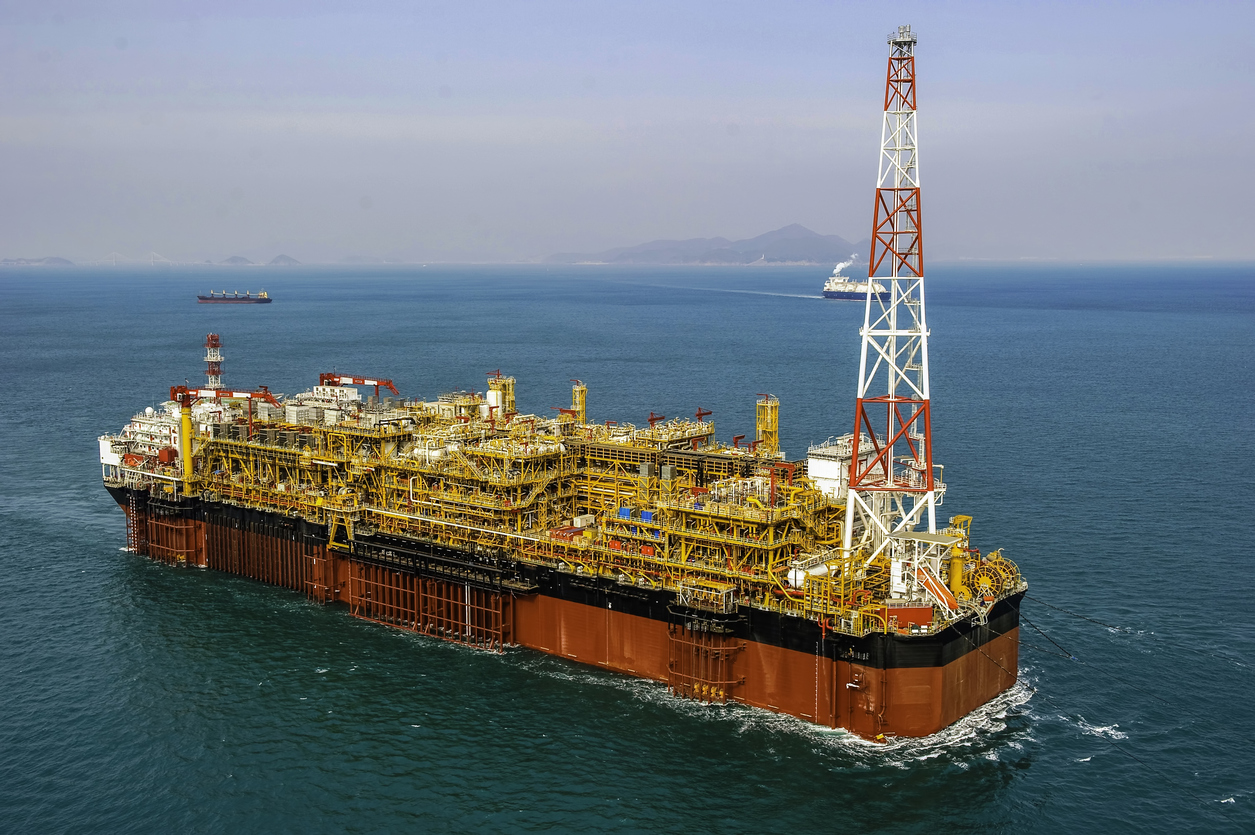
In Nigeria’s offshore oil and gas industry, the availability and reliability of vessels for oil rigs in Nigeria are critical to maintaining smooth exploration, production, and logistics operations. From delivering supplies and moving anchors to carrying personnel and responding to emergencies, these support vessels serve as the backbone of offshore activity. For companies operating in import/export, wholesale distribution, logistics, or the oil & gas FMCG supply chain in Africa, understanding the role of these vessels—and how a service provider like Wigmore Trading can support them—is essential.
Why support vessels matter in Nigerian offshore operations
Offshore rigs are only as efficient as the logistics that support them. The leading functions of vessels for oil rigs in Nigeria include:
-
Transporting equipment, fuel, provisions, and personnel between shore bases and offshore platforms or rigs.
-
Towage and positioning of drilling rigs, barges, and anchor handling operations.
-
Emergency standby, firefighting, rescue, and maintenance support for subsea infrastructure.
-
Compliance with local content, cabotage, and safety regulations, which are increasingly stringent in Nigerian waters.
Without well-equipped, well-managed support vessels, rigs in the Niger Delta and Gulf of Guinea face delays, higher risk, and ultimately higher cost.
Key types of vessels for oil rigs in Nigeria
When sourcing vessels for oil rigs in Nigeria, it’s important to recognize the main categories and their functions:
Platform Supply Vessels (PSVs)
PSVs transport goods, supplies, and equipment between shore and offshore platforms. Capacities vary but many are tailored to volumes and distances typical in the Niger Delta.
Anchor Handling Tug Supply (AHTS) Vessels
These support vessels handle anchor chains, tow rigs or floating platforms into position, and act as emergency standby or rescue vessels when required.
Utility & Crew Boats / Fast Intervention Vessels
Smaller, flexible vessels that move crew, provide quick response, or transfer supplies in more constrained areas. They may also perform survey or support roles.
Multi‑Purpose Support Vessels (MPSVs) & Construction Support
Used for subsea inspection, light construction, pipe-laying, and maintenance of offshore assets. Demand for this vessel type is increasing in Nigerian operations.
Challenges in sourcing vessels for oil rigs in Nigeria
While demand is strong, companies face procurement and operational challenges:
-
Local content and cabotage: Nigerian regulations favor locally-owned and flagged vessels, meaning foreign or unmanaged vessels may face delays or additional costs.
-
Safety, compliance, and certification: Offshore support vessels must meet international and Nigerian standards for dynamic positioning, environmental controls, and crew training.
-
Availability and charter rates: Competition for quality support vessels is high, especially as deepwater exploration increases, pushing charter rates upward and reducing lead-time flexibility.
-
Logistics and hub access: Ports and bases in Nigeria, such as Lagos, Port Harcourt, Bonny, and Onne, need to be efficiently integrated with vessel scheduling and rig operations. Delays in mobilisation reduce uptime.
How Wigmore Trading can support your vessel sourcing and offshore logistics
Wigmore Trading brings a strategic advantage when you need to secure and manage vessels for oil rigs in Nigeria:
-
End-to-end sourcing: We help identify the correct vessel type (PSV, AHTS, utility boat) for your offshore project, match you with reputable vessel owners or charter providers, and manage negotiations.
-
Regulatory and compliance support: Navigating Nigerian local-content requirements, cabotage rules, certification, and crew logistics is complex—Wigmore Trading helps ensure your vessel is fit for purpose and compliant.
-
Integrated logistics chain: Offshore operations involve equipment supply, warehousing, transport to port, and mobilisation offshore. Wigmore Trading coordinates logistics planning to align vessel availability with onshore operations.
-
Risk mitigation and operational readiness: Working with trustworthy vessel providers minimizes the risk of downtime, non-compliance, or safety-related delays, all critical for rig-support operations.
Practical steps for deploying a support vessel in Nigeria
-
Define the operational requirement: What type of vessel do you need? How many personnel, what cargo capacity, what distances offshore?
-
Match specifications and charter options: For example, if you require anchor-handling and towage, look for AHTS with sufficient bollard pull; for supply runs, a PSV with deck space and cargo hold is ideal.
-
Verify vessel credentials and owner reputation: Check flags, certifications, local-content compliance, class status, safety records.
-
Synchronize logistics and mobilisation timing: Ensure crew transfers, port logistics, equipment loading, and offshore arrival are aligned.
-
Establish support and contingency protocols: On-site inspection, maintenance, emergency standby—strong support vessels provide more than just transport.
-
Use a trusted partner: With Wigmore Trading’s expertise, you gain access to vetted vessels, logistical planning, and an integrated supply-chain approach tailored to Nigerian offshore operations.
Conclusion
For companies operating across import/export, wholesale distribution, oil & gas logistics, or African trade, securing the right vessels for oil rigs in Nigeria is paramount to operational success. By understanding vessel types, market challenges, and logistical requirements, you’re better positioned to deploy offshore assets efficiently. Wigmore Trading can help you navigate the complexity, source the right craft, and coordinate logistics—helping you streamline your offshore operations.
Get in touch with our team to learn more. Wigmore Trading can help you streamline your sourcing and offshore vessel selection.




Comments are closed.