
How to Start Plastics Import from China to UK in 2026

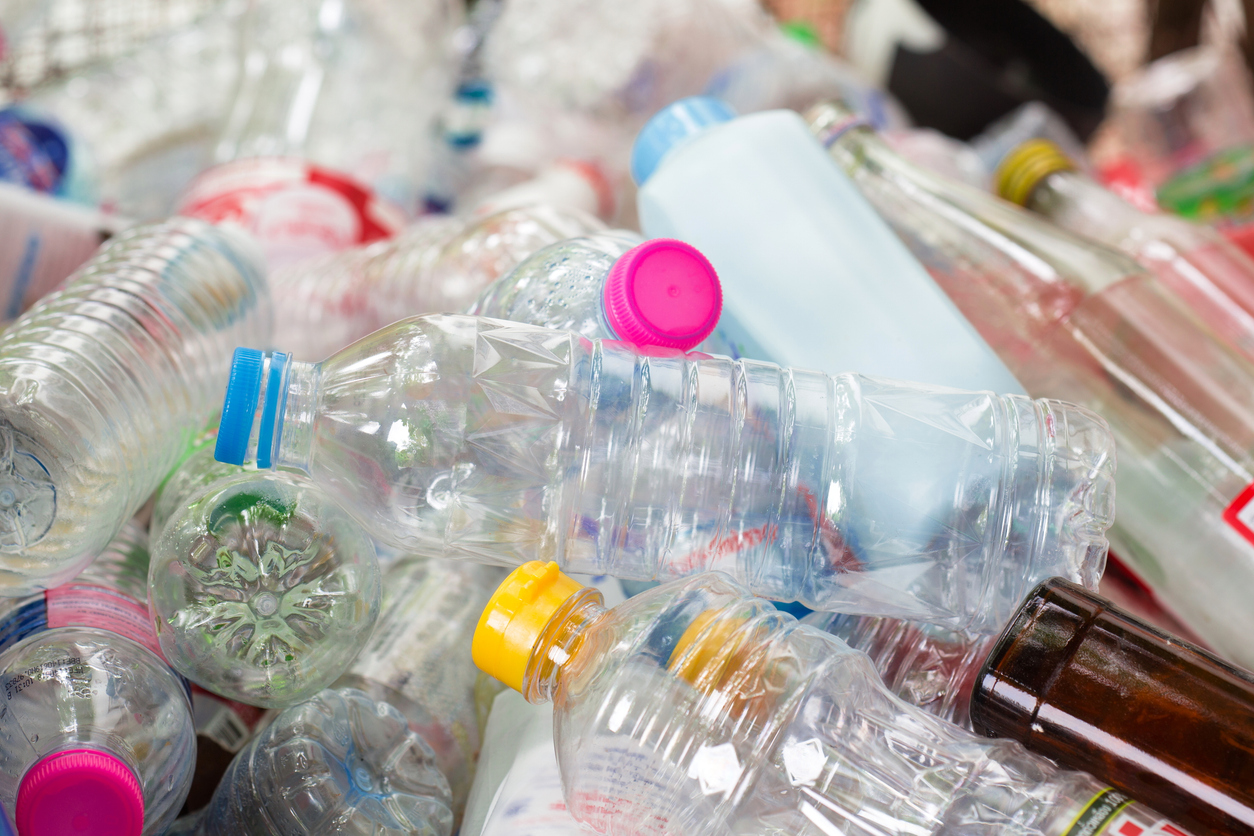
The plastics import from China to UK market plays a critical role in supporting British manufacturing, wholesale distribution, FMCG packaging, construction, automotive production, and retail supply chains. China remains one of the world’s largest producers of plastic raw materials and finished plastic products, offering competitive pricing, scalable production capacity, and a broad range of specifications.
However, importing plastics into the UK requires careful planning around product standards, customs procedures, logistics coordination, and regulatory compliance. Businesses that approach the process strategically can secure reliable supply while managing cost and risk effectively.
Why the UK Imports Plastics from China
China’s plastics industry benefits from vertically integrated supply chains, advanced manufacturing infrastructure, and significant economies of scale. UK importers source a wide range of plastic products from China, including:
-
Plastic resins such as polypropylene (PP), polyethylene (PE), and PVC
-
Injection-moulded components
-
Packaging materials
-
Household and consumer goods
-
Industrial plastic fittings and parts
For UK businesses, importing from China often provides cost advantages compared to domestic or European sourcing, particularly for high-volume orders. Additionally, Chinese manufacturers frequently offer custom moulding, private labelling, and OEM services, which appeal to distributors and retailers seeking tailored product solutions.
Despite these benefits, the process must align with UK import regulations and sustainability expectations.
Understanding UK Regulations for Plastics Import from China to UK
Regulatory compliance is central to a successful plastics import from China to UK. Since Brexit, UK importers must ensure that products meet national standards and customs requirements.
Plastic products may fall under specific regulatory frameworks depending on their end use. For example, food-contact plastics must comply with UK food safety regulations, while certain industrial plastics may require conformity marking or chemical safety declarations.
Key areas importers must consider include:
-
UK REACH compliance for chemical substances
-
Food-grade certification for packaging materials
-
Proper commodity codes (HS codes) for customs declarations
-
Import VAT and applicable duties
-
Packaging waste regulations and environmental levies
Incorrect classification or missing documentation can lead to shipment delays, penalties, or product recalls. Working with experienced import and compliance specialists reduces these risks and ensures smooth customs clearance.
Logistics and Shipping Considerations
Shipping plastics from China to the UK typically involves sea freight, particularly for bulk resin or high-volume finished goods. Full container load (FCL) shipments are common due to the weight and space requirements of plastic materials.
Transit times generally range from 25 to 40 days depending on the port of origin and UK destination. Air freight may be used for urgent or high-value components but is rarely cost-effective for large-volume plastics.
Importers must also consider:
-
Container optimisation to reduce freight costs
-
Proper packaging to prevent deformation or contamination
-
Port handling and demurrage risks
-
Inland transportation from UK ports to warehouses
Freight rates fluctuate due to global shipping demand, fuel costs, and geopolitical factors. Businesses that forecast demand accurately and plan shipments in advance are better positioned to manage logistics costs.
Wigmore Trading supports UK importers by coordinating freight forwarding, customs clearance, and end-to-end supply chain management, helping businesses avoid bottlenecks and unnecessary storage fees.
Quality Control and Supplier Verification
Quality assurance is particularly important when sourcing plastics internationally. Variations in resin composition, thickness, durability, or finish can significantly impact downstream manufacturing or retail performance.
Before finalising a plastics import from China to UK, importers should conduct:
-
Supplier background checks
-
Sample testing and material verification
-
Third-party inspections before shipment
-
Clear technical specifications in contracts
Establishing precise requirements for tensile strength, melt flow index, UV resistance, or food safety standards prevents costly misunderstandings.
Partnering with sourcing specialists can simplify supplier verification. Wigmore Trading works closely with vetted manufacturers and conducts quality checks to ensure that imported plastics meet UK standards and client expectations.
Cost Factors in Plastics Import from China to UK
While Chinese plastics often offer competitive base pricing, total landed cost must be calculated carefully. Importers should account for:
Product cost at source
Freight and insurance
Import duties and VAT
Customs brokerage fees
Port handling and inland transportation
Warehousing and distribution
Currency exchange fluctuations between the Chinese yuan and British pound also affect pricing. Long-term supply agreements or hedging strategies can help mitigate exchange rate volatility.
Businesses that analyse total landed cost rather than unit price alone gain a clearer picture of profitability and avoid unexpected margin erosion.
Sustainability and Environmental Considerations
Environmental compliance has become increasingly important in the UK plastics sector. Regulations around single-use plastics, packaging waste, and recycling targets continue to evolve.
Importers must ensure that products meet sustainability standards and align with Extended Producer Responsibility (EPR) obligations. Recycled content requirements, proper labelling, and traceability documentation are becoming standard expectations.
Sourcing sustainable or recyclable plastics from certified Chinese manufacturers can enhance brand reputation and ensure regulatory alignment. Wigmore Trading assists clients in identifying compliant suppliers and navigating environmental reporting requirements.
Managing Risk in International Plastics Trade
Global trade disruptions, port congestion, geopolitical tensions, and supply chain volatility can affect plastics import from China to UK. Diversified sourcing strategies, buffer stock planning, and transparent communication with suppliers reduce exposure to these risks.
Businesses that maintain strong relationships with logistics providers and customs agents are better equipped to respond to changing regulations or shipping delays. A proactive supply chain strategy is more cost-effective than reacting to disruptions after they occur.
Conclusion
Plastics import from China to UK remains a strategic sourcing solution for manufacturers, wholesalers, and distributors seeking cost efficiency and scalable supply. However, successful importing requires careful attention to regulatory compliance, quality control, logistics planning, and sustainability obligations.
With the right expertise and structured supply chain management, UK businesses can benefit from competitive pricing while maintaining product standards and operational reliability.
Wigmore Trading can help. Contact Wigmore Trading today to streamline your sourcing.





Comments are closed.