
How to Successfully Manage Solar Panel Import from China to UK

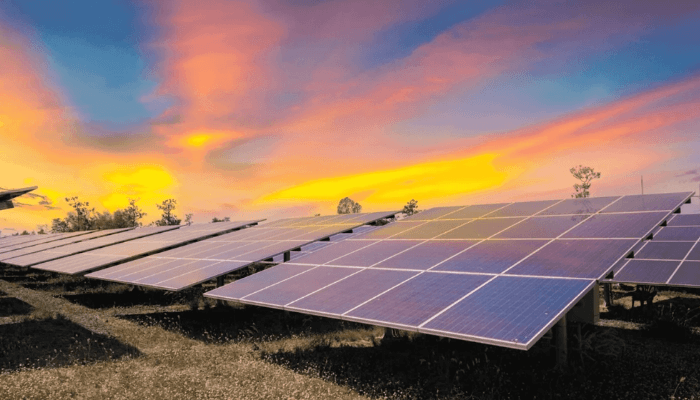
The UK solar market continues to expand as businesses and households invest in renewable energy solutions. For importers, wholesalers, EPC contractors, and distributors, solar panel import from China to UK remains one of the most cost-effective ways to secure high-quality photovoltaic (PV) modules at competitive prices.
However, importing solar panels involves more than simply placing an order overseas. From supplier verification and product compliance to freight, customs clearance, and distribution, each stage requires careful planning.
This guide explains the key considerations and how Wigmore Trading can support businesses looking to streamline their sourcing and logistics operations.
Why Import Solar Panels from China to the UK?
China is the world’s largest manufacturer of solar panels, accounting for the majority of global photovoltaic production. Importing from Chinese manufacturers offers several advantages:
1. Competitive Pricing
Chinese manufacturers benefit from economies of scale and integrated supply chains. This typically results in lower per-unit costs compared to sourcing within Europe. For UK wholesalers and installers, this margin flexibility can improve profitability or allow more competitive pricing in tenders.
2. Wide Product Selection
From monocrystalline and polycrystalline panels to high-efficiency TOPCon and bifacial modules, Chinese suppliers offer a broad range of products. This variety allows UK importers to select panels tailored to residential, commercial, or utility-scale projects.
3. Advanced Manufacturing Standards
Leading Chinese brands invest heavily in R&D and automated production lines. Many supply internationally recognised brands and meet UK and EU technical standards, provided proper certification is verified.
Despite these benefits, careful due diligence is essential to avoid compliance or supply chain risks.
Key Requirements for Solar Panel Import from China to UK
Importing solar panels into the UK requires adherence to regulatory and customs procedures.
UK Product Compliance and Certification
Solar panels imported into the UK must meet applicable safety and performance standards. These typically include:
-
UKCA marking (or CE marking where applicable under transitional arrangements)
-
IEC certifications for photovoltaic modules
-
Compliance with UK electrical safety regulations
Importers are responsible for ensuring documentation is complete. Failure to comply can result in goods being held at customs or rejected.
Wigmore Trading can assist by working with verified suppliers and ensuring all documentation is reviewed before shipment.
Customs Duties and VAT
Solar panels imported from China are subject to UK import VAT and, depending on classification, may attract customs duties. The correct HS code classification is essential to avoid delays or penalties.
Key considerations include:
-
Accurate commercial invoices
-
Packing lists
-
Bill of lading or airway bill
-
Correct commodity codes
Partnering with an experienced import and distribution specialist such as Wigmore Trading helps ensure smooth customs clearance and accurate documentation.
Shipping and Freight Options
Solar panels are fragile and high-value goods. Proper freight planning reduces the risk of damage and delays.
Common shipping options include:
-
Full Container Load (FCL): Suitable for large orders, offering better cost efficiency per unit.
-
Less than Container Load (LCL): Ideal for smaller shipments, though potentially higher per-unit shipping costs.
-
Air Freight: Used for urgent or high-value orders, though significantly more expensive.
Wigmore Trading coordinates reliable freight forwarding solutions to ensure panels arrive safely and on schedule.
Risks in Importing Solar Panels from China
While cost advantages are significant, importers should be aware of potential challenges.
1. Supplier Verification
Not all suppliers meet international standards. Some trading companies may misrepresent certifications or production capacity. Conducting factory audits, reviewing test reports, and verifying business credentials reduces risk.
2. Quality Control Issues
Inconsistent quality can lead to warranty claims, reputational damage, and project delays. Pre-shipment inspections and batch testing are essential safeguards.
3. Logistics and Lead Times
Shipping delays, port congestion, or incomplete paperwork can impact project timelines. Advance planning and working with experienced logistics partners mitigate these issues.
Wigmore Trading supports clients by vetting suppliers, overseeing documentation, and coordinating logistics to reduce exposure to these risks.
How Wigmore Trading Supports Solar Panel Import from China to UK
For UK businesses involved in renewable energy, construction, wholesale distribution, or African trade routes, managing overseas procurement can be complex.
Wigmore Trading provides:
-
Supplier sourcing and verification
-
Procurement support and negotiation
-
Quality assurance coordination
-
Freight and logistics management
-
Customs documentation assistance
-
Warehousing and distribution support
This integrated approach helps importers reduce operational burdens while maintaining compliance and cost control.
Rather than navigating international sourcing independently, businesses can leverage Wigmore Trading’s experience in global import/export operations to ensure reliable supply chains.
Best Practices for Importing Solar Panels into the UK
To ensure successful solar panel import from China to UK, consider the following:
Plan Procurement in Advance
Solar demand can fluctuate seasonally. Securing supply contracts early reduces exposure to price volatility and shipping delays.
Confirm Technical Specifications
Ensure panel wattage, efficiency ratings, dimensions, and mounting compatibility align with UK installation requirements.
Insure Shipments Properly
Given the high value and fragility of solar panels, marine cargo insurance is strongly recommended.
Build Long-Term Supplier Relationships
Working with established manufacturers can improve pricing stability and reliability over time.
Wigmore Trading can help businesses implement these best practices while managing procurement and logistics end-to-end.
Growing Demand for Solar Energy in the UK
As the UK advances toward net-zero targets, demand for renewable energy solutions continues to rise. Commercial property developers, housing associations, industrial facilities, and logistics centres are increasingly investing in solar installations.
For wholesalers and distributors, importing solar panels from China offers a scalable solution to meet this growing demand—provided compliance and supply chain processes are carefully managed.
Conclusion
Solar panel import from China to UK presents significant opportunities for cost savings and supply chain flexibility. However, success depends on proper supplier verification, regulatory compliance, freight planning, and quality control.
By partnering with an experienced import and distribution specialist, businesses can reduce risk and streamline operations. Wigmore Trading can help manage sourcing, logistics, and compliance to ensure your solar panel imports are efficient and reliable.
Contact Wigmore Trading today to streamline your sourcing and renewable energy supply chain.




Comments are closed.