
How to Use a 20 GP Container for Africa Shipping

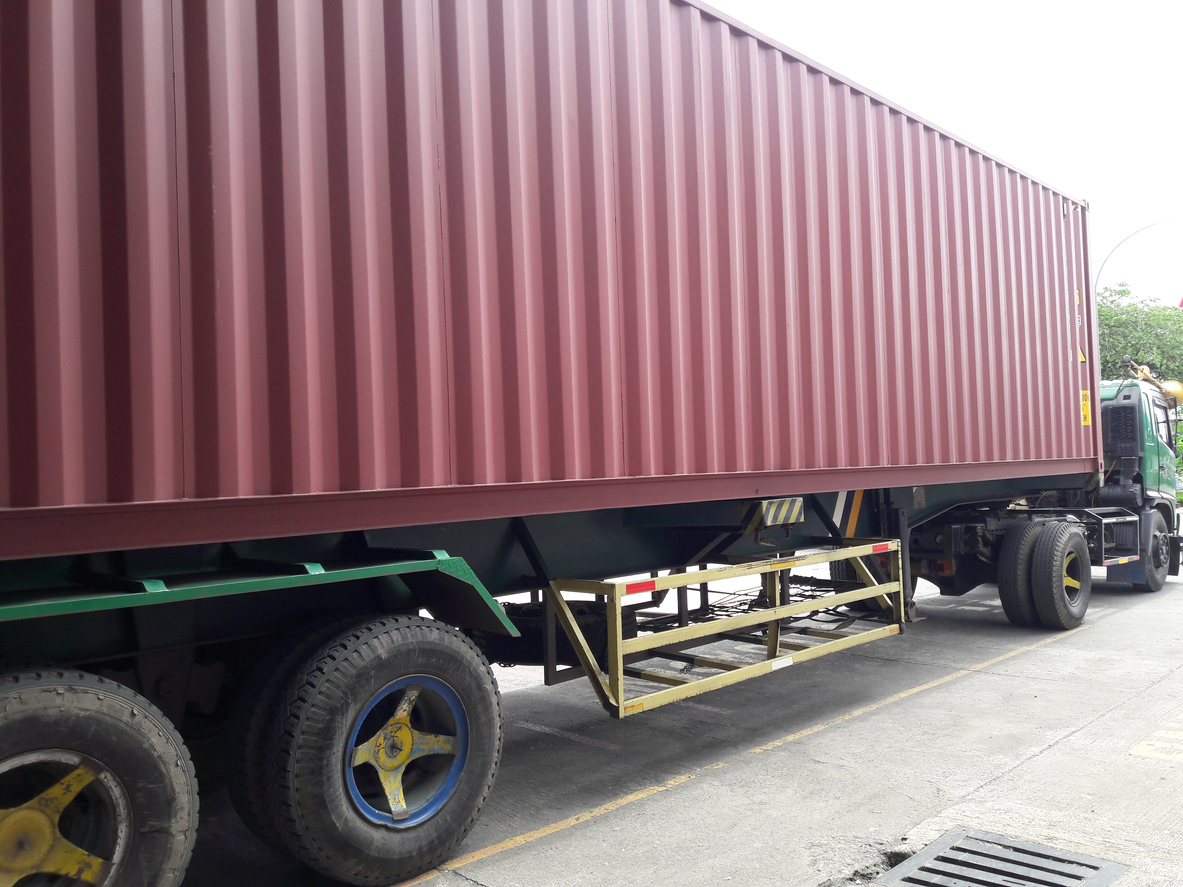
A 20 GP Container (20-foot General Purpose container) is one of the most widely used box sizes in global shipping. For importers, exporters and distributors moving goods into and out of Africa, understanding how a 20 GP container works can help you cut costs, plan loads better and reduce risk.
What is a 20 GP container?
A 20 GP container is a standard 20-foot shipping container used for most dry cargo. It’s also often called:
-
20ft GP container
-
20ft dry container
-
1 x 20ft box / 1 x 20ft unit
It is designed to move easily between trucks, vessels, rail and depots, making it ideal for international trade, consolidation and mixed shipments.
Wigmore Trading regularly uses 20 GP containers to move FMCG, foodstuffs, household products and general merchandise from suppliers to customers across Africa.
Key dimensions and capacity of a 20 GP container
Exact figures can vary slightly by shipping line and manufacturer, but typical internal dimensions for a 20 GP container are approximately:
-
Internal length: ~5.9 m
-
Internal width: ~2.35 m
-
Internal height: ~2.39 m
-
Internal volume: ~33 m³
-
Maximum gross weight: around 30,000–32,500 kg
-
Tare weight: around 2,000–2,300 kg
-
Maximum payload: typically 28,000–30,000 kg
For most customers, the limiting factor is either weight (heavy items such as canned food, drinks, building materials) or volume (bulky but light items such as tissue paper, plastic ware or packaged snacks).
Wigmore Trading can advise you whether your cargo is likely to “cube out” (fill the space) or “weigh out” (hit the weight limit) first and help you plan the optimal load list.
Why importers and exporters choose 20 GP containers
A 20 GP container offers several advantages for businesses:
-
Cost control for smaller volumes
If you don’t have enough cargo for a 40ft container, a 20ft GP is often more cost-effective than paying LCL (Less than Container Load) rates on many small pallets. -
Simpler handling and storage
A 20ft unit is shorter and lighter than a 40ft, which can be easier to handle in some African ports, smaller yards and warehouses. -
Better for heavy cargo
Heavy commodities often fit perfectly into 20 GP containers without exceeding weight limits, reducing the risk of fines or port delays. -
Lower risk of damage and pilferage
Sealing one full container instead of multiple LCL consignments can reduce handling and the chance of goods being damaged or misrouted.
Wigmore Trading can compare FCL (Full Container Load) vs LCL options for your lane and recommend when a 20 GP container is the smarter choice.
Using 20 GP containers for Africa-bound trade
For shipments into markets such as Nigeria, Ghana, Cameroon and other West and Central African destinations, 20 GP containers are widely used for:
-
Mixed FMCG consignments for wholesalers and supermarkets
-
Food and beverage products in cartons or on pallets
-
Household and personal care goods
-
Building materials and hardware
-
Automotive parts and industrial supplies
Challenges in these trade lanes often include port congestion, limited storage space at destination and customs complexity. A correctly packed 20 GP container can help by:
-
Keeping your shipment together under one bill of lading
-
Making customs clearance more straightforward
-
Reducing unpacking time at destination
-
Minimising demurrage and storage charges when handled efficiently
Wigmore Trading has long experience moving 20ft containers into African ports and can support you with route selection, documentation and reliable local partners.
How Wigmore Trading adds value to your 20 GP shipments
Instead of just booking a container and leaving you to manage the rest, Wigmore Trading can support across the full logistics chain:
-
Product sourcing and consolidation
We can source stock from multiple UK and international suppliers, then consolidate everything into one 20 GP container at our warehouse. -
Professional loading and packing
Correct stacking patterns, bracing and labelling reduce damage, especially on long sea routes and rough inland roads. -
Documentation and compliance
Our team helps prepare commercial invoices, packing lists and any certificates that may be required for your destination market. -
Freight booking and tracking
We work with trusted shipping lines and forwarders to book your 20ft GP container, monitor sailing schedules and keep you updated. -
Last-mile coordination
Through our network, we can connect you with reliable clearing agents and transporters at destination.
If you want one partner to manage your 20 GP container from supplier to warehouse in Africa, Wigmore Trading can help.
Practical tips for optimising a 20 GP container
To get the best value from each 20 GP container you ship:
-
Plan your product mix in advance
Combine heavier items at the bottom and back with lighter cartons on top to balance weight and protect fragile goods. -
Use standard carton and pallet sizes
Boxes that don’t fit well can waste space. Wigmore Trading can recommend packaging and pallet configurations that maximise each load. -
Label everything clearly
Clear, durable labels in English (and local language if required) make customs checks faster and reduce unloading errors. -
Share forecast volumes early
If you expect regular 20 GP shipments, share demand forecasts so we can secure space and negotiate better freight conditions. -
Consider insurance
Even with good packing, cargo insurance is essential for long routes and trans-shipments common in African trade.
Working with Wigmore Trading on your next 20 GP container
Whether you are sending your first trial shipment or already moving multiple 20ft containers a month, having a knowledgeable logistics partner makes a big difference.
Wigmore Trading can:
-
Help you decide whether a 20 GP, 40 GP or LCL solution is best
-
Source and consolidate products from multiple suppliers
-
Manage the complete export process, from loading to shipping
-
Support your team with customs and delivery at destination
Get in touch with our team to discuss your next 20 GP container shipment and see how we can streamline your sourcing and logistics.





Comments are closed.