
How UAE Banks Handle Sanctioned Transactions: Compliance, Risks, and Global Trade Implications

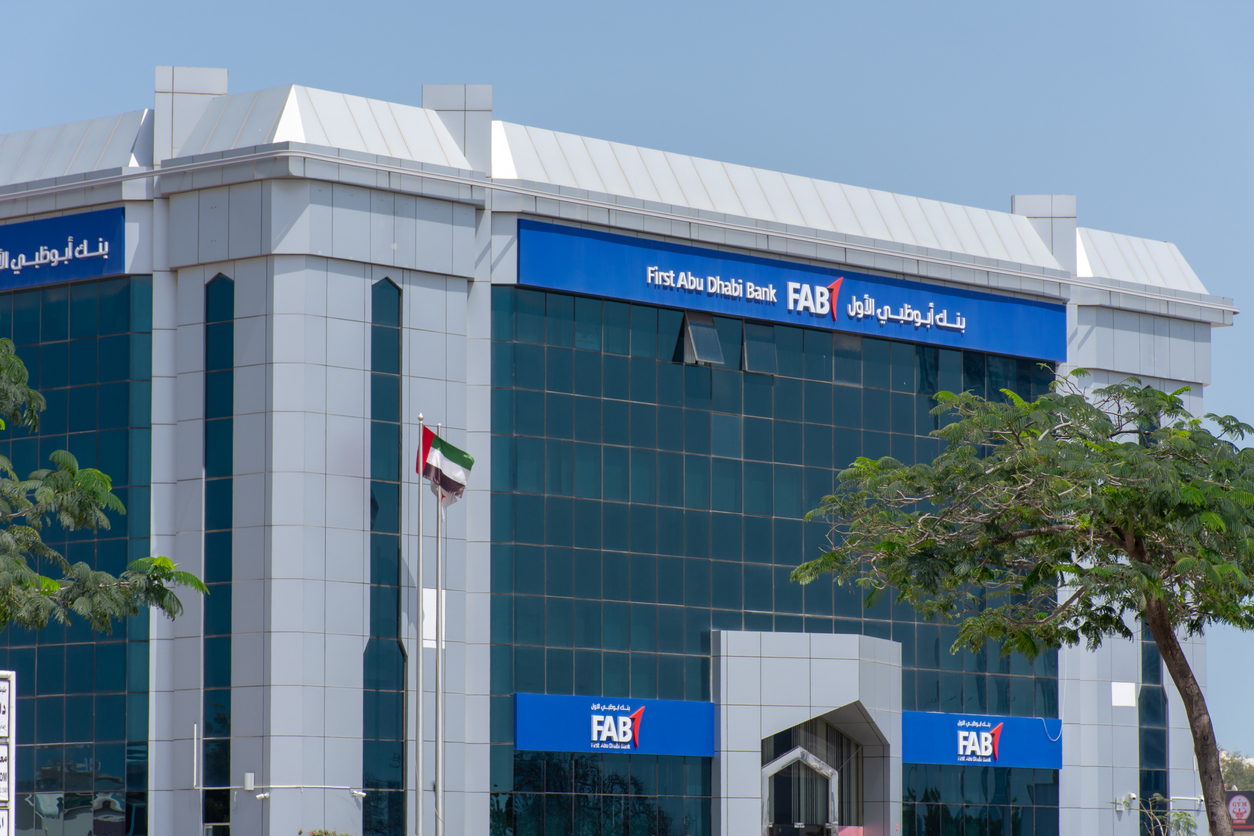
International sanctions are a critical component of global financial regulation. Governments and international bodies impose sanctions to restrict financial activity linked to illegal trade, terrorism financing, or geopolitical conflicts. For businesses operating in global trade, understanding UAE banks handling sanctioned transactions is essential for maintaining compliance and protecting supply chains.
The United Arab Emirates plays a major role in international commerce, connecting markets in Africa, Asia, Europe, and the Middle East. Because of this strategic position, UAE banks must operate under strict regulatory frameworks to prevent sanctioned financial activity while still facilitating legitimate international trade.
This article explores how UAE banks handle sanctioned transactions, the compliance systems they use, and what importers, exporters, and distributors need to know when operating through the UAE.
Understanding Sanctions and Financial Compliance in the UAE
Sanctions are restrictions imposed by governments or international organizations such as the United Nations (UN), the United States Office of Foreign Assets Control (OFAC), and the European Union. These sanctions can limit trade, freeze assets, or block financial transactions involving certain individuals, entities, or countries.
When discussing UAE banks handling sanctioned transactions, it is important to understand that UAE financial institutions are required to follow both domestic regulations and many international sanctions frameworks.
The Central Bank of the UAE requires banks to implement strict anti-money laundering (AML) and counter-terrorism financing (CTF) policies. These include:
-
Monitoring financial transactions
-
Screening clients against global sanctions lists
-
Reporting suspicious activity
-
Blocking or freezing sanctioned payments
These measures ensure that UAE banks do not process transactions that violate international sanctions laws.
How UAE Banks Handle Sanctioned Transactions
Financial institutions in the UAE use several layers of compliance systems to identify and manage potentially sanctioned transactions.
Sanctions Screening Systems
Banks operate automated compliance systems that screen transactions against international sanctions databases. Every payment, wire transfer, and account holder is checked against lists issued by:
-
United Nations Security Council
-
OFAC sanctions lists
-
EU sanctions frameworks
-
UAE national sanctions lists
If a transaction matches a sanctioned entity, the system flags the payment for investigation.
Transaction Monitoring and Risk Assessment
Another key component of UAE banks handling sanctioned transactions is real-time transaction monitoring. Banks evaluate the origin, destination, and purpose of payments.
Risk indicators may include:
-
Payments involving high-risk jurisdictions
-
Unusual transaction volumes
-
Trade documentation inconsistencies
-
Shell company involvement
If a transaction appears suspicious, banks may freeze the payment and conduct further due diligence.
Reporting to Regulatory Authorities
When a transaction appears to violate sanctions regulations, UAE banks must report it to regulatory authorities. This may involve submitting Suspicious Transaction Reports (STRs) to financial intelligence units.
Regulators then determine whether enforcement actions, investigations, or asset freezes are required.
Why Compliance Is Critical for International Trade
For importers, exporters, and distributors, compliance with sanctions rules is not just a banking issue. Violating sanctions can lead to severe financial penalties, blocked shipments, and reputational damage.
Businesses that rely on UAE financial channels for international trade must ensure their partners, suppliers, and customers are not subject to sanctions.
Common risks include:
-
Payments being rejected by banks
-
Funds being frozen mid-transaction
-
Shipping delays caused by compliance checks
-
Loss of access to banking services
These risks highlight the importance of working with experienced trade partners who understand financial compliance and global regulatory requirements.
The Impact on African and Global Supply Chains
The UAE serves as a major trade gateway for African imports and exports. Many commodities, consumer goods, and industrial products move through Dubai and other UAE trade hubs.
Because of this central role, UAE banks handling sanctioned transactions can influence how quickly goods move through supply chains.
When financial transactions are delayed due to sanctions screening, shipments may also be delayed. For example:
-
Payment verification may postpone cargo release
-
Letters of credit may require additional compliance checks
-
Trade finance approvals may take longer for high-risk jurisdictions
Companies that operate across Africa, the Middle East, and Asia must plan for these compliance requirements when structuring trade payments.
Best Practices for Businesses Using UAE Banking Channels
Businesses engaged in international trade should adopt strong compliance practices to avoid issues with sanctioned transactions.
Key steps include:
Conduct Supplier and Customer Due Diligence
Companies should verify the legitimacy of all trading partners and check them against sanctions databases.
Maintain Accurate Trade Documentation
Invoices, shipping records, and product descriptions must be clear and consistent. Discrepancies in documentation often trigger additional banking reviews.
Work with Experienced Trade and Logistics Partners
Navigating international sanctions compliance requires expertise in cross-border trade operations, banking procedures, and regulatory requirements.
Reliable partners can help structure transactions in a compliant and transparent way.
How Wigmore Trading Supports Compliant International Trade
Managing global trade while navigating sanctions regulations can be complex, particularly for companies sourcing goods across multiple regions.
Wigmore Trading supports businesses by helping them manage sourcing, logistics, and distribution across Africa and international markets. With experience in international trade operations, the company assists clients in structuring supply chains that meet regulatory requirements while maintaining efficient product flow.
From supplier verification to logistics coordination, Wigmore Trading helps businesses reduce compliance risks and maintain reliable trade operations.
Conclusion
Understanding how UAE banks handle sanctioned transactions is essential for companies involved in global trade. Strict financial compliance systems ensure that banks screen payments, monitor transactions, and report suspicious activity in accordance with international regulations.
For importers, exporters, and distributors using UAE financial channels, maintaining transparency, proper documentation, and strong compliance practices is crucial.
Businesses that work with experienced trade partners are better positioned to avoid financial disruptions and maintain smooth international operations.
Wigmore Trading can help. Contact Wigmore Trading today to streamline your sourcing and global supply chain.






Comments are closed.