
Hydrogen Investment Funds: What They Are, How They Work, and Why They Matter for Africa’s Energy Transition

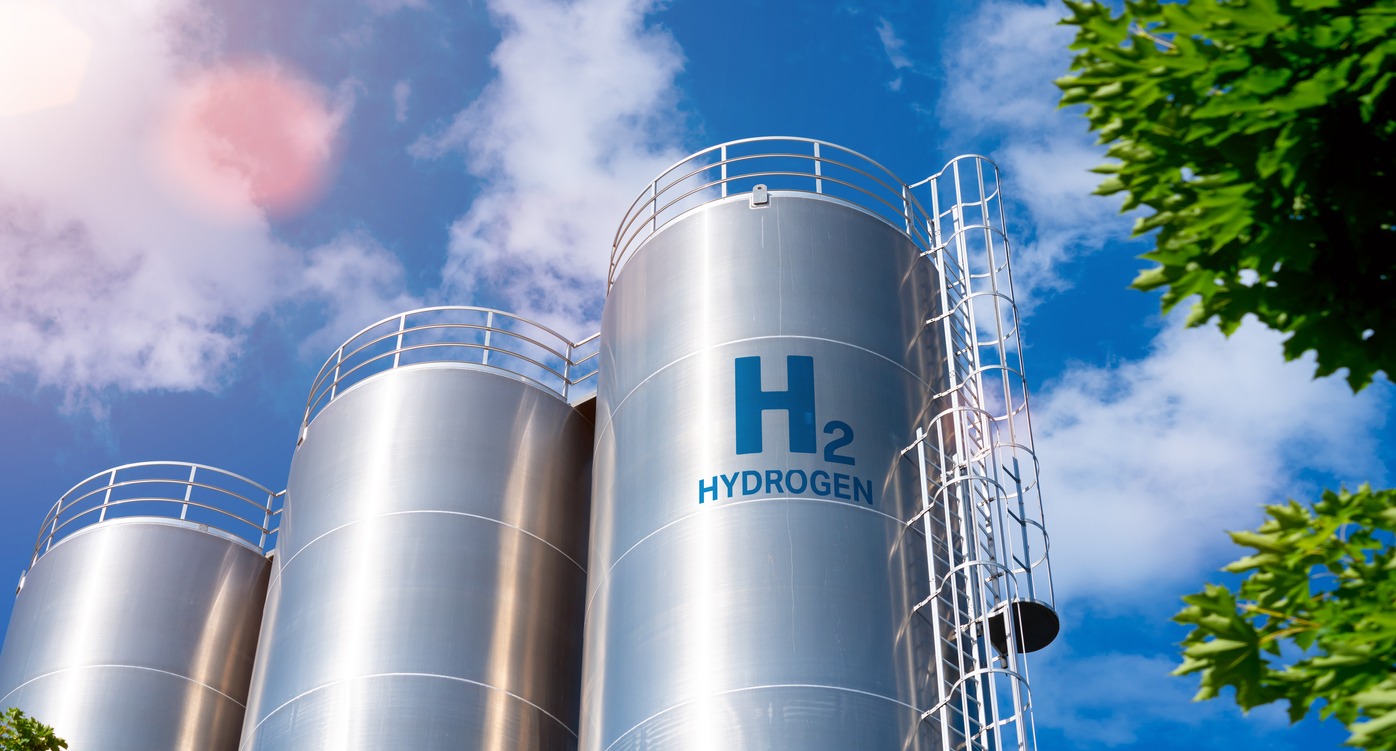
Hydrogen is rapidly emerging as one of the world’s most strategic clean-energy investment themes—especially as governments and industries look for practical ways to decarbonize heavy transport, fertilizer production, steel manufacturing, and power generation. But hydrogen projects are capital-intensive, slow to develop, and often require specialised infrastructure.
That’s where a hydrogen investment fund comes in: it pools capital from institutional investors, governments, development finance institutions (DFIs), and private players to finance hydrogen-related projects across the value chain—production, storage, transport, and industrial usage.
In this article, we break down what hydrogen investment funds are, what investors look for, and how African businesses can position themselves to benefit from this growing wave of hydrogen financing—supported by practical supply-chain solutions from Wigmore Trading.
What Is a Hydrogen Investment Fund?
A hydrogen investment fund is a structured financing vehicle designed to invest in hydrogen projects and businesses. These funds typically focus on:
-
Green hydrogen production (electrolysers powered by renewables)
-
Infrastructure development (storage tanks, pipelines, port facilities)
-
Hydrogen supply chains (transport, export terminals, distribution networks)
-
Industrial adoption (using hydrogen in refineries, steel plants, ammonia plants)
Globally, hydrogen investment is accelerating due to policy incentives and industrial demand. For example, governments have introduced major funding programmes to reduce risk and attract private capital into hydrogen markets.
Why Hydrogen Funds Are Growing Fast
Hydrogen funds are expanding for one key reason: hydrogen projects are too large and risky for many single investors—especially in emerging markets where regulatory frameworks and infrastructure may still be developing.
Key forces driving hydrogen investment funds:
-
Net-zero targets pushing hard-to-abate industries toward hydrogen adoption
-
Government subsidies lowering costs and investment risk.
-
Rising demand for clean fuels, especially in Europe and Asia
-
Africa’s renewable potential, which makes green hydrogen production competitive long-term.
Hydrogen Investment Fund Models: How Funding Usually Works
Different hydrogen funds operate with different structures, but many follow one of these models:
1. Project Finance Funds
Funds invest directly into large hydrogen production plants and infrastructure projects, often alongside DFIs.
2. Venture & Growth Funds
These funds invest in hydrogen technology firms, equipment suppliers, and distribution innovators.
3. Blended Finance Funds
This model combines public and private funding to reduce risk and unlock investment in emerging markets.
A real-world example is South Africa’s SA-H2 Fund, which attracted commitments from major national finance institutions to accelerate green hydrogen investment.
Why Africa Is Becoming a Key Hydrogen Investment Destination
Africa is increasingly viewed as a promising region for hydrogen investment due to three major advantages:
1. Abundant Renewable Energy
Green hydrogen becomes viable where solar and wind resources are strong—many African countries have world-class renewable potential.
2. Strategic Export Routes
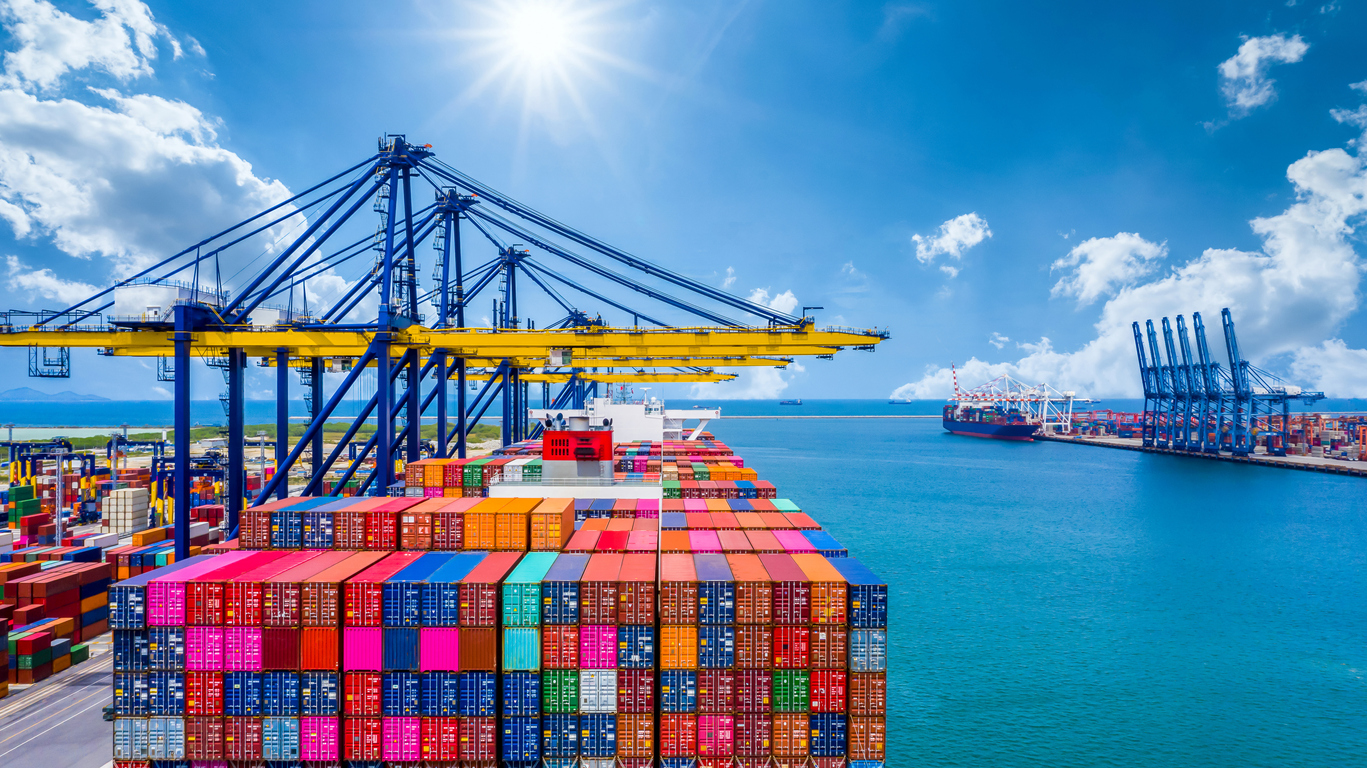
Hydrogen export requires strong port and logistics networks. Countries with access to shipping corridors can become hydrogen supply hubs—especially for Europe.
The EU has already committed grants to support South Africa’s hydrogen value chain and logistics infrastructure, highlighting the strategic importance of trade infrastructure in hydrogen development.
3. New Industrial Development Opportunities
Hydrogen isn’t only for export. It can drive industrialisation through domestic use in:
-
Fertiliser manufacturing (green ammonia)
-
Steel production
-
Refining and petrochemicals
-
Heavy transport
What Investors Look for Before Funding Hydrogen Projects
Hydrogen investment funds are structured to reduce risk, and they evaluate projects using strict criteria. Here are some key investor priorities:
Bankable Offtake Agreements
Investors want proof that someone will buy the hydrogen. Without strong buyers, revenue is uncertain.
Strong Infrastructure & Logistics Planning
Hydrogen projects fail when supply chains are weak. That includes:
-
Access to ports
-
Reliable equipment importation
-
Warehousing and delivery systems
-
Fuel, spare parts, and procurement networks
This is where Wigmore Trading can help by supporting industrial procurement, equipment sourcing, and logistics execution for hydrogen-related infrastructure projects across Africa.
Clear Policy and Regulatory Support
Government support reduces uncertainty through incentives, licensing clarity, and carbon frameworks.
Feedstock and Supply Reliability
A common investment barrier is the lack of firm hydrogen supply—and the uncertainty around renewable power availability and cost stability.
How Businesses Can Benefit from Hydrogen Investment Funds (Even Without Owning a Hydrogen Plant)
A major misconception is that only energy companies benefit from hydrogen funding. In reality, many supporting industries will grow alongside hydrogen investment, including:
Engineering & Construction Suppliers
-
Industrial pipes, valves, fittings
-
Storage tanks
-
Electrical systems and transformers
-
Construction materials
Transport & Logistics Providers
-
Bulk hauling
-
Port logistics
-
Customs and clearing
Procurement & Supply Chain Partners
Hydrogen projects depend on consistent sourcing of equipment and consumables—especially across multiple countries and suppliers.
Wigmore Trading supports businesses and project developers by handling procurement and supply-chain logistics, helping reduce project delays caused by sourcing bottlenecks and international shipping challenges.
What This Means for Hydrogen Investors and African Industry
Hydrogen investment funds are not just financing clean energy—they’re financing:
-
trade infrastructure
-
industrial supply chains
-
new export industries
-
manufacturing transformation
As capital continues to flow into hydrogen markets globally, African stakeholders that can provide logistics, equipment procurement, and execution capacity will become critical partners.
If you’re a developer, contractor, logistics provider, or industrial buyer entering the hydrogen economy, it’s worth positioning now to participate in upcoming hydrogen investments.
Wigmore Trading can help support your operations with sourcing, procurement, and trade logistics to reduce delays and costs.
Get in touch with our team to learn more.



Comments are closed.