
Import auto parts from China to Nigeria: A practical guide for businesses

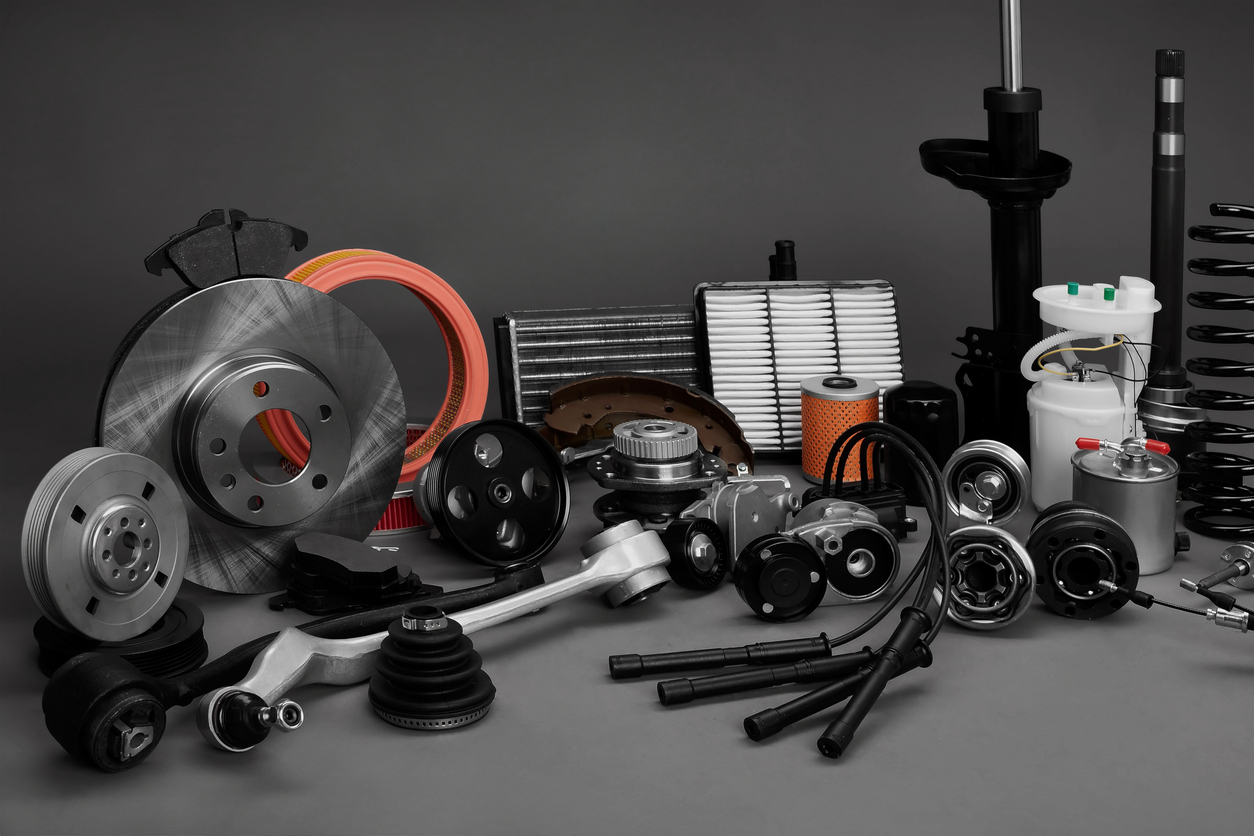
Importing auto parts from China to Nigeria is an attractive opportunity for traders, wholesalers, mechanics, and fleet operators looking to reduce costs and access a wide range of products. However, without a clear strategy for sourcing, quality control, documentation, and logistics, this trade lane can quickly become complex and costly.
Below is a structured, business-focused guide on how to import auto parts from China to Nigeria efficiently and compliantly, and how a partner like Wigmore Trading can support you at each stage.
Understanding demand before you import auto parts from China to Nigeria
Before you import auto parts from China to Nigeria, you need clarity on what the Nigerian market actually needs. Demand tends to be strongest for:
-
Fast-moving service parts (filters, brake pads, belts, spark plugs)
-
Suspension and steering components (shock absorbers, ball joints, control arms)
-
Engine parts (pistons, gaskets, pumps)
-
Electrical parts (alternators, starters, sensors, lighting)
-
Body parts (bumpers, mirrors, lamps)
Nigeria’s vehicle park is dominated by used vehicles from Europe, the US, and Asia, which makes compatibility and quality crucial. Poor-quality or mis-specified parts result in returns, reputational damage, and even safety issues.
Wigmore Trading can help businesses assess product demand, match it with reliable manufacturers in China, and ensure that catalogue, specification and application data are correct before orders are placed.
Choosing reliable suppliers when you import auto parts from China to Nigeria
Supplier selection is the foundation of a successful auto parts import operation. When looking for manufacturers or exporters in China:
-
Check certifications – ISO quality certifications and, where relevant, compliance Certificates for safety-critical parts.
-
Verify product standards – Ensure parts meet applicable standards such as OEM equivalent specifications or recognised aftermarket standards.
-
Request samples – Validate fit, finish, packaging, and labelling on real parts.
-
Assess production capacity – Confirm the factory can meet your volumes and maintain consistent quality.
-
Evaluate communication and lead times – Reliable communication reduces errors in part numbers, packaging, and documentation.
Rather than starting from scratch, many importers choose to work through an established trading and sourcing partner. Wigmore Trading maintains relationships with vetted Chinese suppliers, helping Nigerian buyers avoid fraudulent companies and inconsistent factories.
Quality control and packaging for auto parts shipped from China to Nigeria
Even if you have a strong supplier, active quality control is essential when you import auto parts from China to Nigeria. Practical measures include:
-
Pre-shipment inspection – Inspect random samples from production batches before goods leave China.
-
Functional and fit tests – For safety-critical parts like brakes or suspension components, basic tests can identify obvious defects.
-
Packaging standards – Auto parts often face long transit times and multiple handling points. Strong cartons, inner boxes, anti-rust protection and clear labelling reduce damage and confusion.
-
Barcoding and part numbering – For wholesalers and distributors, standardized labels make stock management and picking more efficient.
A logistics and sourcing specialist such as Wigmore Trading can coordinate independent inspections, oversee packing standards, and ensure that cartons are correctly marked for Nigerian customs and for your warehouse.
Documentation and compliance when you import auto parts from China to Nigeria
Import regulations in Nigeria are detailed and must be respected for auto parts shipments to clear smoothly. While requirements can change, importers typically need to consider:
-
Proforma and commercial invoices – Clear descriptions, HS codes, unit prices, and total values.
-
Packing list – Detailing weights, dimensions, and packaging units.
-
Bill of lading or air waybill – Evidence of shipment ownership and routing.
-
Certificates of conformity and SONCAP (where applicable) – Certain regulated products require Standards Organisation of Nigeria Conformity Assessment Programme documentation to prove they meet Nigerian standards.
-
Form M and Pre-Arrival Assessment Report (PAAR) – Official import documentation submitted through authorised Nigerian banks and approved by customs.
Incomplete or inaccurate paperwork is one of the most common reasons containers are delayed at Nigerian ports. Wigmore Trading works with clearing agents and compliance specialists to ensure the correct documentation is in place before the shipment leaves China, reducing the risk of penalties, demurrage, or re-inspection.
Managing logistics and shipping for auto parts from China to Nigeria
Auto parts are ideal for sea freight due to their weight and volume, though urgent shipments may move by air. When planning to import auto parts from China to Nigeria, consider:
-
Full Container Load (FCL) vs. Less than Container Load (LCL) – FCL is usually more cost-effective and secure once your volumes justify it, while LCL is suitable for test orders or smaller consignments.
-
Port of loading and discharge – Common routes include major Chinese ports (e.g., Shanghai, Ningbo, Shenzhen) to Nigerian ports such as Lagos (Apapa, Tin Can Island) or Onne.
-
Transit time and seasonality – Shipping times and rates fluctuate; planning around peak seasons can help manage cost and availability.
-
Insurance – Cargo insurance protects your investment against damage, theft, or loss in transit.
Wigmore Trading can manage door-to-port or port-to-port logistics, consolidate shipments from multiple Chinese suppliers, and coordinate with Nigerian clearing agents to minimise delays and hidden costs.
Cost structure and pricing your imported auto parts
To build a profitable business model when you import auto parts from China to Nigeria, you need a clear view of total landed cost, including:
-
Purchase price (FOB or EXW)
-
Freight and insurance
-
Destination port charges and customs duties
-
Clearing and handling fees
-
Inland transport within Nigeria
-
Warehousing and distribution costs
With a detailed cost breakdown, you can set realistic wholesale or retail prices while maintaining acceptable margins. Wigmore Trading supports clients with cost modelling and scenario planning so they can decide on optimal order sizes, shipping modes, and product mixes.
Working with Wigmore Trading as your auto parts import partner
Importing auto parts from China to Nigeria involves more than finding a low unit price. Success depends on:
-
Choosing and managing reliable suppliers
-
Ensuring consistent product quality
-
Navigating documentation and regulatory requirements
-
Coordinating shipping, customs clearance, and in-country distribution
Wigmore Trading combines sourcing, trade finance support (where available), freight coordination, and Nigerian market knowledge to provide an end-to-end solution for businesses that want to scale their auto parts imports without building an entire international procurement team.
Conclusion
When you import auto parts from China to Nigeria in a structured, controlled way, it can transform your margins and expand your product range. By taking supplier selection, quality control, documentation, and logistics seriously—and by working with an experienced partner—you reduce risk and create a more reliable supply chain for your customers in Nigeria’s growing automotive market.
Wigmore Trading can help you plan, source, and deliver auto parts from China to Nigeria efficiently and compliantly.
Contact Wigmore Trading today to streamline your sourcing.






Comments are closed.