
Import Duty from China to UK for FMCG, Electronics and Wholesale Distributors

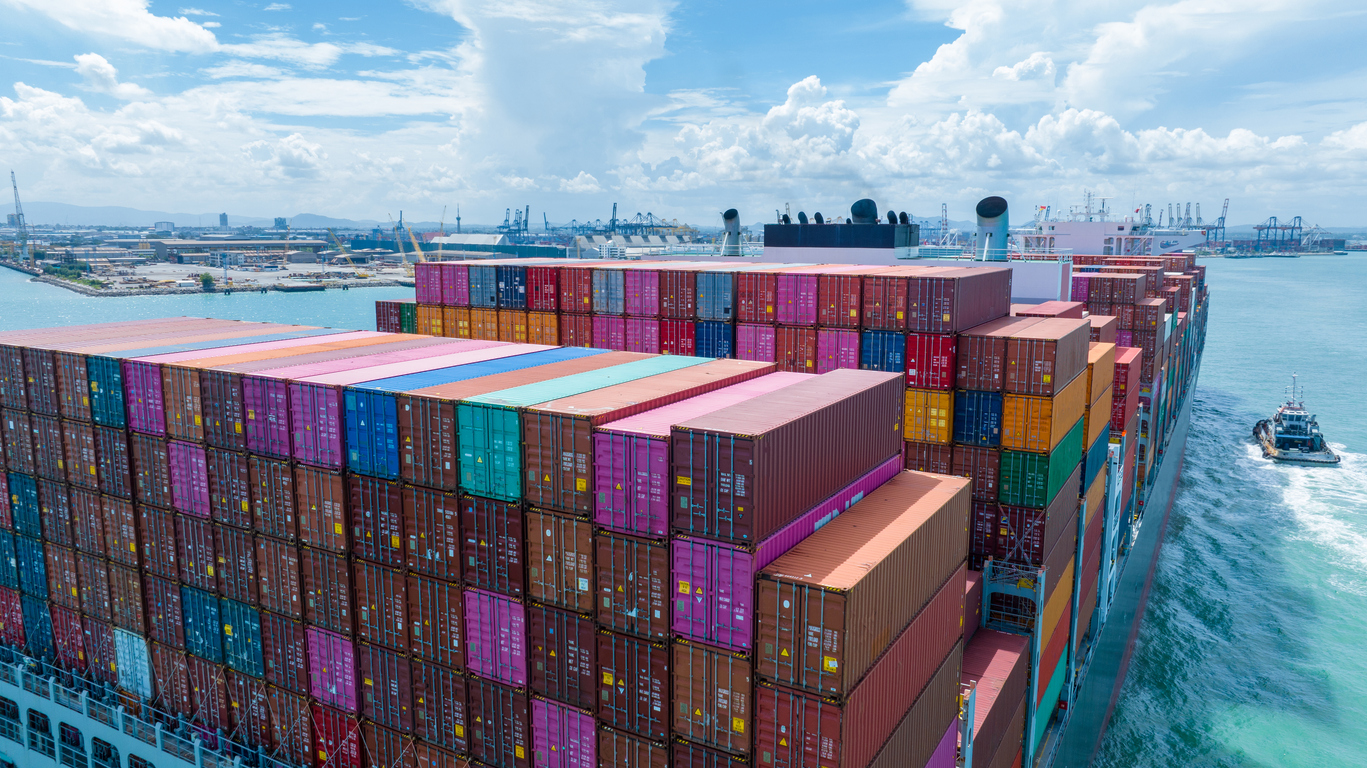
Importing goods from China to the UK remains a key strategy for wholesalers, distributors, and FMCG businesses seeking competitive pricing and scalable supply chains. However, understanding import duty from China to UK is essential to maintaining profit margins and avoiding unexpected costs.
This guide explains how UK import duty works, how it is calculated, and how businesses can manage customs efficiently when sourcing from China.
What Is Import Duty from China to UK?
Import duty is a tax charged on goods entering the UK from non-UK countries, including China. Since China is outside the UK’s trade agreements that offer preferential tariffs, most goods are subject to standard UK Global Tariff (UKGT) rates.
The total amount payable when importing from China to the UK usually includes:
-
Import duty (based on the product’s tariff classification)
-
VAT (typically 20% in the UK)
-
Customs clearance and handling fees
Understanding the correct duty rate is critical because it directly impacts landed cost and resale pricing.
How Is Import Duty Calculated?
Import duty from China to UK is calculated using the customs value of the goods. This generally includes:
-
The cost of the goods
-
Shipping (freight)
-
Insurance
The calculation is typically:
Customs Value × Duty Rate = Import Duty Payable
For example, if goods are classified under a tariff heading with a 6% duty rate and the customs value is £10,000, the import duty would be £600. VAT is then calculated on the total of goods + shipping + duty.
The exact rate depends on the commodity code assigned to the product. Misclassification can result in overpayment, delays, or penalties.
Wigmore Trading can help importers identify correct commodity codes and estimate landed costs before shipment.
Finding the Correct Commodity Code
Every product imported into the UK must have a commodity code under the UK Global Tariff system. These codes determine:
-
The duty rate
-
VAT applicability
-
Any restrictions or licensing requirements
For businesses importing electronics, textiles, machinery, or FMCG products from China, correct classification is crucial.
Incorrect classification can lead to customs delays, unexpected inspections, or retrospective duty claims. Working with an experienced trade partner such as Wigmore Trading helps reduce compliance risks and ensures documentation is accurate before goods arrive in the UK.
VAT and Import Duty from China to UK
In addition to import duty, most goods are subject to 20% import VAT. VAT is calculated on the total of:
-
Customs value
-
Import duty
-
Freight and insurance
Businesses registered for VAT can typically reclaim import VAT on their VAT return, provided documentation is correctly processed.
Using postponed VAT accounting (PVA) can improve cash flow by allowing VAT to be accounted for on the VAT return instead of being paid upfront at the border.
Wigmore Trading can advise importers on structuring shipments and documentation to optimise VAT handling.
Common Challenges When Importing from China
While sourcing from China offers cost advantages, several challenges affect duty and compliance:
1. Incorrect Product Valuation
Undervaluation can trigger customs investigations. Overvaluation increases duty unnecessarily. Accurate invoicing is essential.
2. Changing Tariff Rates
Duty rates can change depending on trade policy updates or product reclassification. Staying updated is important for long-term supply contracts.
3. Documentation Errors
Incomplete commercial invoices, missing packing lists, or incorrect HS codes can delay clearance and increase storage costs at UK ports.
4. Logistics Delays
Port congestion or incomplete customs declarations can disrupt supply chains.
Working with a reliable sourcing and logistics partner reduces these risks. Wigmore Trading supports UK importers by coordinating suppliers, freight forwarders, and customs brokers to streamline the import process.
Reducing the Impact of Import Duty from China to UK
Businesses cannot avoid import duty legally, but they can manage costs effectively through:
-
Accurate tariff classification
-
Reviewing alternative sourcing structures
-
Optimising shipment volumes
-
Negotiating supplier Incoterms
For example, understanding whether goods are shipped FOB, CIF, or DDP affects who is responsible for customs clearance and duties.
Wigmore Trading works closely with suppliers in China and buyers in the UK to structure shipments efficiently, ensuring that landed costs are transparent and predictable.
Why Strategic Planning Matters
Import duty from China to UK is not just a tax issue—it affects pricing strategy, cash flow, and competitiveness. Businesses that factor duty into procurement planning are better positioned to protect margins.
Whether you are importing wholesale electronics, FMCG goods, industrial components, or retail products, having a clear understanding of UK customs requirements is essential.
Wigmore Trading can help businesses calculate duty exposure, coordinate logistics, and ensure compliance with UK customs regulations.
Get in touch with our team to learn more or contact Wigmore Trading today to streamline your sourcing.





Comments are closed.