
Importing Packaging Machines from China to Nigeria: A Practical Guide for Buyers

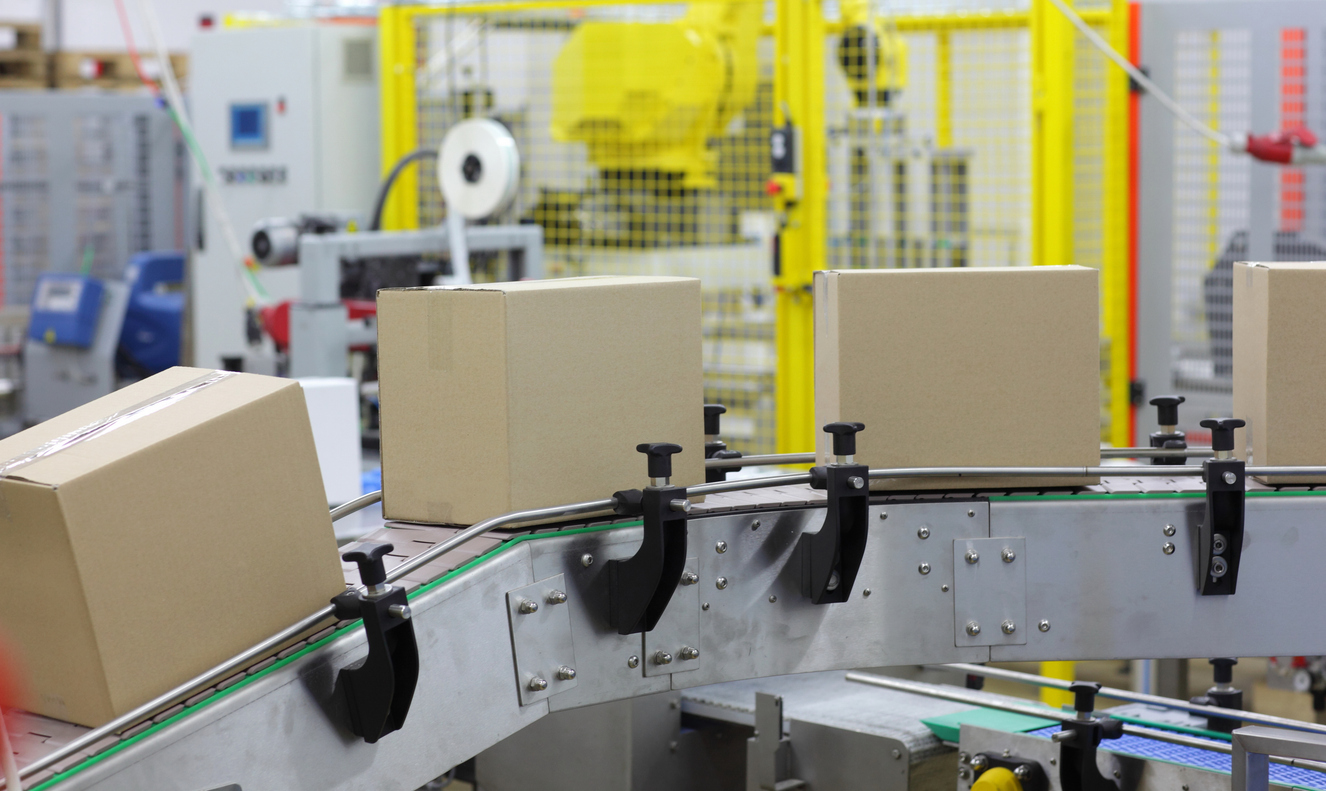
Nigeria’s manufacturing, FMCG, food processing, and pharmaceutical sectors continue to expand, increasing demand for reliable and efficient packaging equipment. For many businesses, the most cost-effective solution is to import packaging machine from China to Nigeria, where manufacturers offer a broad range of automated and semi-automated systems at competitive prices.
However, importing industrial machinery requires careful coordination. From supplier verification and regulatory compliance to freight planning and installation, each step affects your final cost and operational efficiency. Below is a structured guide for businesses looking to streamline the process while minimizing risk.
Why Businesses Import Packaging Machine from China to Nigeria
Chinese manufacturers are globally recognized for producing filling machines, sachet packaging machines, labeling systems, shrink wrapping equipment, and complete production lines.
Key advantages include:
-
Competitive pricing compared to European or US alternatives
-
Wide product variety for different industries
-
Flexible production capacity
-
Ongoing technological upgrades
For Nigerian importers in food and beverage production, agro-processing, cosmetics, and pharmaceuticals, importing directly can significantly reduce capital investment while improving packaging consistency and output.
That said, the lowest price does not always mean the best value. Quality verification and compliance planning are essential.
Define Technical Requirements Before You Import Packaging Machine from China to Nigeria
Clear specifications prevent costly mistakes. Before engaging suppliers, determine:
-
Packaging type (sachet, pouch, bottle, carton)
-
Product characteristics (powder, liquid, viscous, granular)
-
Output capacity requirements
-
Voltage compatibility (Nigeria typically operates on 220–240V systems)
-
Automation level
-
Spare parts availability
Providing detailed technical parameters ensures suppliers quote accurately and reduces the risk of receiving unsuitable machinery.
Wigmore Trading can help review specifications and align supplier capabilities with your operational goals.
Supplier Verification and Quality Control
Online sourcing platforms list thousands of packaging equipment suppliers. However, due diligence is critical.
Practical steps include:
-
Requesting company registration and export documentation
-
Reviewing previous shipment records
-
Conducting third-party factory inspections
-
Performing a Factory Acceptance Test (FAT)
-
Confirming warranty terms and after-sales support
Pre-shipment inspections significantly reduce the risk of performance issues upon arrival in Nigeria. Wigmore Trading can coordinate supplier checks, inspections, and contract negotiations to ensure greater reliability.
Regulatory Compliance and Documentation in Nigeria
When you import packaging machine from China to Nigeria, compliance with Nigerian customs regulations is mandatory. Depending on the machine classification, documentation may include:
-
Commercial invoice and packing list
-
Bill of lading
-
Certificate of origin
-
Form M registration
-
Pre-Arrival Assessment Report (PAAR)
-
SONCAP certification where applicable
Incorrect HS code classification or incomplete paperwork can cause costly port delays. Early coordination with a knowledgeable clearing partner helps prevent disruptions.
Wigmore Trading supports businesses with documentation review, customs coordination, and compliance management to facilitate smoother clearance at ports such as Apapa and Tin Can Island.
Shipping and Logistics Planning
Packaging machines are often heavy and require protective crating. Freight selection depends on size, urgency, and budget.
Common options include:
-
Full Container Load (FCL) for large equipment
-
Less than Container Load (LCL) for smaller units
-
Air freight for urgent spare parts
Sea freight is typically the most cost-effective solution for industrial machinery. However, buyers should factor in marine insurance, port handling charges, and inland transportation.
Proper incoterm selection (FOB, CIF, CFR) also affects cost responsibility and risk transfer. Wigmore Trading can help structure freight arrangements that align with your financial and operational priorities.
Calculating the True Landed Cost
The machine’s purchase price is only one part of your investment. To accurately assess profitability, calculate total landed cost, including:
-
Supplier invoice price
-
Inspection fees
-
Freight and insurance
-
Customs duties and VAT
-
Port handling and terminal charges
-
Inland delivery
-
Installation and technician support
A transparent cost structure prevents unexpected expenses and improves budgeting accuracy.
Common Challenges and Solutions
Quality Variations
Solution: Conduct inspections and insist on performance testing before shipment.
Customs Delays
Solution: Ensure accurate documentation and early compliance checks.
Spare Parts Shortages
Solution: Order critical spare parts with the initial shipment.
Power Compatibility Issues
Solution: Confirm voltage and frequency requirements before production.
Working with an experienced trade partner simplifies these challenges. Wigmore Trading can help coordinate sourcing, logistics, and clearance, reducing operational risk.
Final Thoughts
Choosing to import packaging machine from China to Nigeria can significantly enhance production efficiency and competitiveness. However, success depends on structured planning, supplier due diligence, regulatory compliance, and careful cost management.
Wigmore Trading can help you manage the entire process—from sourcing and inspection to shipping and customs coordination.
Get in touch with our team to learn more about how we can support your machinery imports.
Contact Wigmore Trading today to streamline your sourcing.



Comments are closed.