
India Emergency Energy Procurement Task Force Requirements

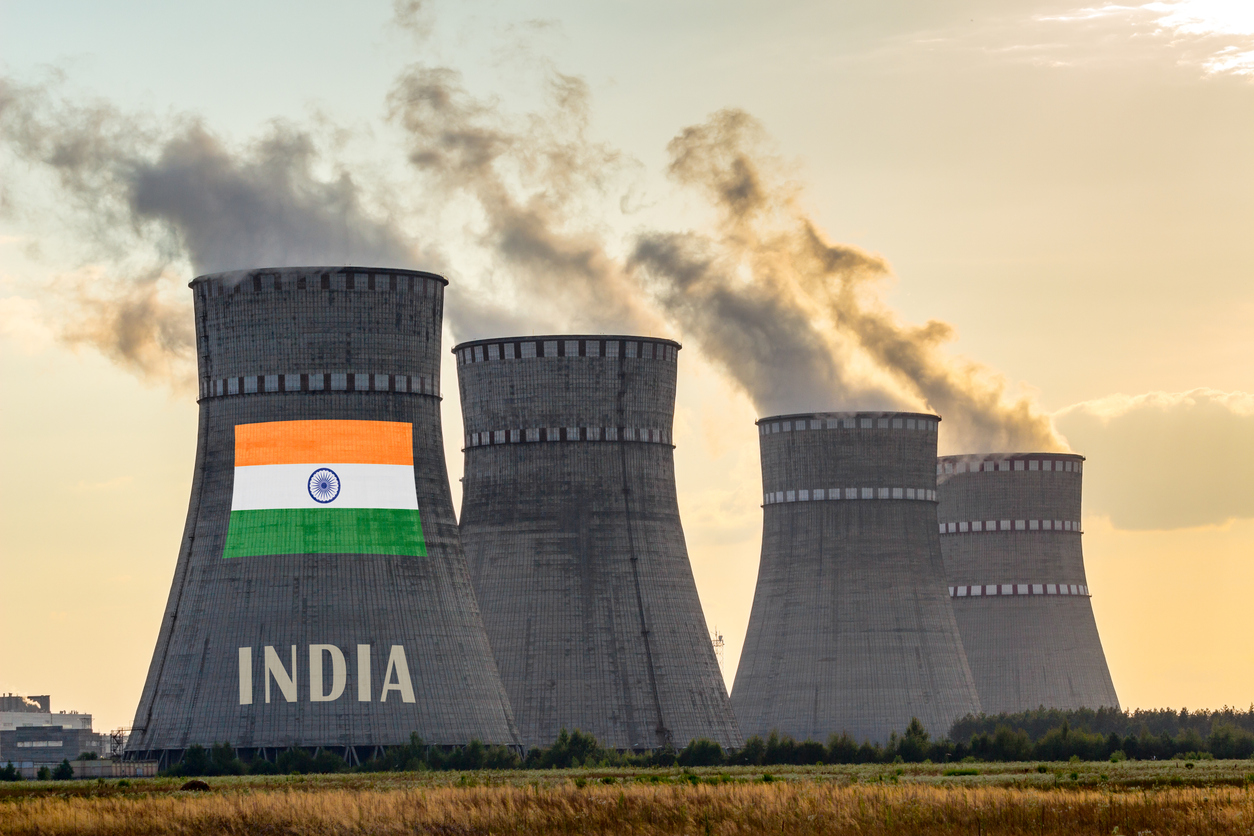
Energy security is a critical concern for large and rapidly growing economies. In recent years, India has faced periods of energy supply pressure caused by fluctuating global fuel prices, supply chain disruptions, and rising domestic demand. In response, the government has developed mechanisms such as an India emergency energy procurement task force to ensure reliable access to critical fuels and energy resources during shortages or market instability.
Understanding how these task forces operate and the requirements involved is essential for companies involved in global energy trading, logistics, and commodity supply chains.
Understanding India Emergency Energy Procurement
India’s energy system depends on a diverse mix of coal, oil, natural gas, renewables, and imported fuels. During periods of market disruption—such as geopolitical conflicts, supply chain interruptions, or unexpected demand spikes—the government may activate emergency procurement mechanisms.
An India emergency energy procurement task force is typically responsible for:
-
Rapid assessment of energy supply shortages
-
Identifying available international fuel sources
-
Coordinating with domestic utilities and refineries
-
Streamlining procurement approvals
-
Managing logistics and delivery timelines
These task forces operate under government guidance and often involve ministries responsible for petroleum, power, coal, and finance. Their objective is to prevent electricity shortages, industrial slowdowns, and disruptions to national infrastructure.
For suppliers and trading companies, participation in emergency procurement programs requires the ability to deliver large volumes of fuel or energy products within tight timeframes while meeting regulatory and contractual requirements.
Key Requirements for India Emergency Energy Procurement Task Forces
An India emergency energy procurement task force must operate quickly while maintaining transparency and compliance. Several operational requirements are typically involved.
Rapid Supplier Identification
Emergency procurement often requires sourcing fuel from multiple global suppliers. Task forces must quickly evaluate suppliers based on:
-
Production capacity
-
Reliability and track record
-
Compliance with international standards
-
Pricing competitiveness
Suppliers capable of handling large-scale energy shipments—such as LNG, crude oil, refined petroleum products, or coal—are typically prioritized.
International trading firms and supply chain partners can play an important role in connecting procurement teams with verified global suppliers.
Logistics and Transport Coordination
Energy procurement is only effective if delivery can occur quickly and reliably. This means managing complex logistics involving ports, shipping routes, storage facilities, and inland distribution networks.
For example, emergency coal imports require coordination between shipping companies, port operators, railway networks, and power plants. Any delay in the chain can disrupt electricity production.
Experienced logistics partners can help reduce delays by managing freight coordination, port handling, and customs clearance.
Regulatory and Compliance Requirements
Emergency energy procurement still operates within regulatory frameworks. Task forces must ensure that all imports comply with:
-
Import regulations and licensing requirements
-
Environmental standards
-
Financial and contractual obligations
-
International trade restrictions
Companies participating in procurement programs must therefore maintain strong compliance practices and documentation processes.
This is particularly important for large shipments of strategic commodities such as petroleum products, liquefied natural gas, or thermal coal.
Financial and Contractual Structures
Energy procurement often involves high-value contracts that must be negotiated quickly but responsibly. Governments and procurement teams must balance cost considerations with the urgency of securing supply.
Contracts may include:
-
Short-term supply agreements
-
Spot market purchases
-
Emergency reserve releases
-
Strategic bilateral supply deals
Reliable trading partners can support these processes by providing transparent pricing, flexible contract structures, and clear delivery guarantees.
Supply Chain Challenges in Emergency Energy Procurement
Even with a dedicated India emergency energy procurement task force, several challenges can arise.
Global Market Volatility
Energy markets are highly sensitive to geopolitical events, production disruptions, and shipping constraints. Prices can change rapidly during crisis periods, making procurement more complex.
Limited Transport Capacity
Shipping availability and port congestion can slow down deliveries, especially when multiple countries are competing for energy supplies at the same time.
Documentation and Compliance Delays
Customs clearance, import approvals, and quality inspections may create bottlenecks if supply chains are not well coordinated.
These challenges highlight the importance of experienced trading and logistics partners that can manage sourcing, documentation, and delivery efficiently.
How Supply Chain Partners Support Emergency Energy Procurement
Companies involved in commodity trading and international logistics can support emergency procurement initiatives by providing:
-
Access to global supplier networks
-
Efficient international shipping and freight management
-
Regulatory and documentation support
-
Supply chain risk management
Wigmore Trading works with international suppliers and logistics partners to support businesses and institutions that require reliable sourcing and delivery of commodities across global markets.
By helping coordinate sourcing, transport, and compliance, supply chain specialists can assist governments and companies in securing critical resources when markets become unstable.
Conclusion
An India emergency energy procurement task force plays a crucial role in protecting national energy security during supply disruptions. By rapidly identifying suppliers, coordinating logistics, ensuring compliance, and negotiating supply contracts, these task forces help maintain stable access to essential fuels.
However, emergency procurement requires strong global supply networks and efficient logistics management to succeed. Experienced trading and supply chain partners can help navigate the complexities of international sourcing, regulatory requirements, and large-scale commodity transport.
Wigmore Trading can help support reliable sourcing and supply chain coordination for critical commodities. Contact Wigmore Trading today to streamline your sourcing.




Comments are closed.