
Industrial Debt Recovery in Nigeria: Practical Strategies for Businesses

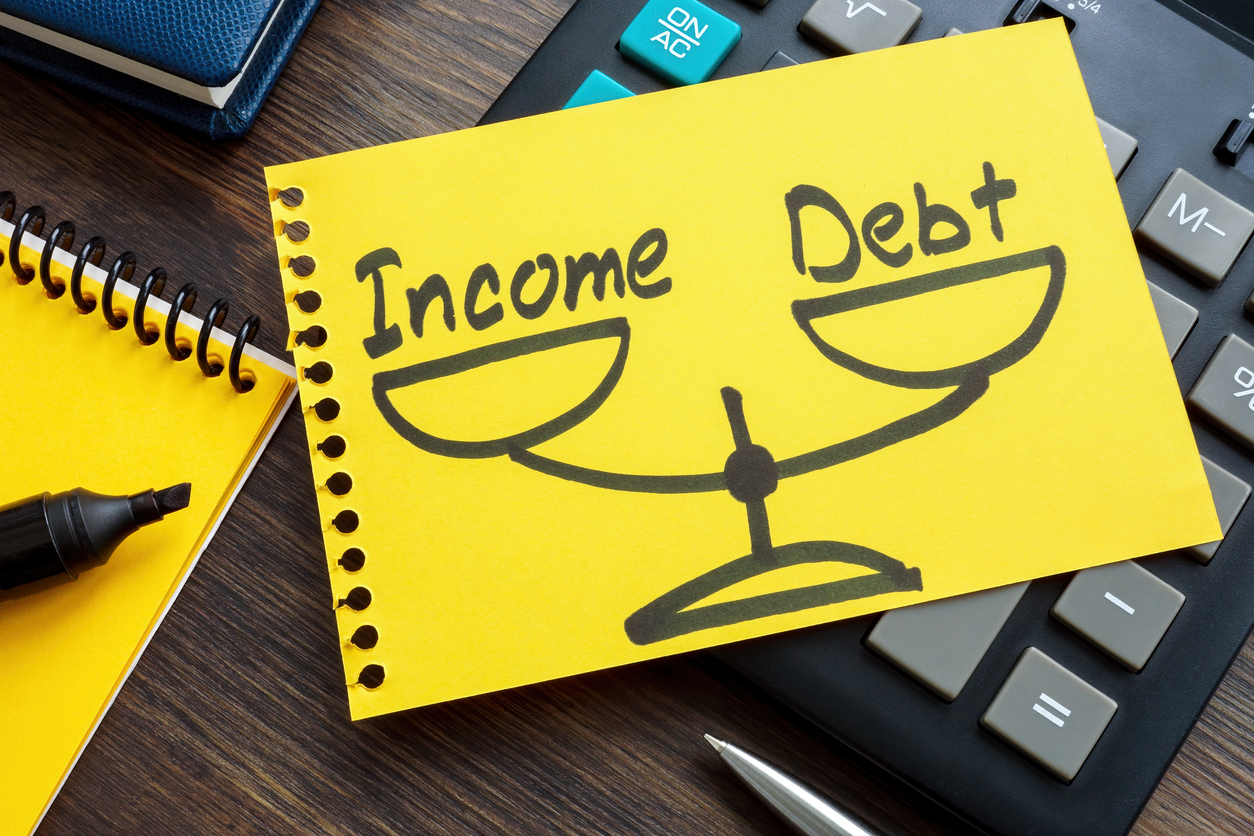
Industrial debt recovery in Nigeria is a growing concern for manufacturers, importers, exporters, and wholesalers operating in fast-moving consumer goods (FMCG) and other industrial sectors. Rising input costs, foreign exchange constraints, and extended credit terms all increase the risk of unpaid invoices and disrupted cash flow.
For companies supplying raw materials, finished goods, or industrial equipment, slow or non-payment can quickly turn a profitable contract into a serious working capital problem. Understanding how industrial debt recovery works in Nigeria—and putting the right processes and partners in place—can significantly reduce these risks.
What Is Industrial Debt Recovery in Nigeria?
Industrial debt recovery in Nigeria refers to the processes and legal mechanisms used to collect overdue payments from corporate or institutional customers, particularly in sectors such as manufacturing, construction, FMCG distribution, energy, and industrial services.
Unlike retail debt, industrial debt often involves:
-
Large invoice values
-
Complex supply contracts
-
Cross-border transactions
-
Multiple parties (suppliers, distributors, logistics providers, financiers)
Effective industrial debt recovery in Nigeria requires a blend of commercial negotiation, documentation, legal awareness, and strong supply chain management.
Common Causes of Industrial Debt Problems in Nigeria
Several structural and operational issues contribute to rising industrial debt in Nigeria:
1. FX and Macroeconomic Pressures
Fluctuating exchange rates, import restrictions, and high interest rates can weaken a buyer’s ability to pay on time. Businesses importing goods or raw materials may face sudden cost increases, squeezing their margins and delaying payments to suppliers.
2. Weak Credit Assessment
Many suppliers extend credit without a robust credit-check process. Limited access to reliable financial statements, credit histories, or trade references can lead to over-exposure to high-risk customers.
3. Contract and Documentation Gaps
Poorly drafted contracts, vague payment terms, or missing delivery and acceptance records make industrial debt recovery in Nigeria harder to enforce. In disputes, lack of clear documentation often slows down or blocks recovery efforts.
4. Supply Chain and Distribution Issues
Delays in delivery, misaligned expectations, or disputes over product quality and quantities can trigger payment withholding. When supply chains are complex, it can be difficult to pin down responsibility and reach a quick resolution.
Best Practices for Industrial Debt Recovery in Nigeria
Recovering industrial debt is easier, cheaper, and more effective when it is treated as part of overall credit and supply chain management, not just a last resort.
Strengthen Contractual and Credit Controls
-
Use written contracts with clear payment terms, credit limits, and dispute resolution clauses.
-
Define penalties for late payment, such as interest or suspension of further deliveries.
-
Conduct basic credit checks on new customers, including trade references and, where possible, audited accounts.
-
Align Incoterms, delivery conditions, and responsibilities clearly for cross-border trade.
Wigmore Trading, for example, supports clients by structuring supply and distribution agreements that reflect realistic payment terms and practical risk controls for Nigerian and regional markets.
Implement Proactive Receivables Management
-
Segment customers by risk and adjust credit periods accordingly.
-
Monitor ageing of receivables regularly and follow up on overdue invoices quickly and consistently.
-
Use reminders, statement of account reconciliations, and regular reviews with major customers.
-
Consider early payment incentives or structured instalment plans for larger orders.
By integrating receivables management with logistics and inventory planning, companies can avoid oversupplying customers with weak payment performance.
Use Negotiation Before Litigation
Litigation in Nigeria can be time-consuming and costly. For industrial debt recovery in Nigeria, commercial negotiation often delivers faster, more practical outcomes:
-
Arrange structured settlement plans or phased payments.
-
Offer discounts on interest or charges in exchange for immediate part-payment.
-
Explore set-offs or swap arrangements where both parties supply goods or services.
Third-party intermediaries, such as experienced distributors and trade partners like Wigmore Trading, can help bridge communication gaps, verify claims, and bring parties back to the negotiating table.
Legal and Formal Recovery Options
When negotiation fails, businesses may need to escalate. Legal strategies for industrial debt recovery in Nigeria typically include:
-
Issuing formal demand letters through legal counsel
-
Enforcing personal or corporate guarantees, where available
-
Initiating court action for breach of contract
-
Seeking summary judgment where documentary evidence is clear
Because outcomes depend heavily on documentation and contract terms, it is essential that the commercial groundwork—purchase orders, delivery notes, invoices, acceptance documents—is in place long before a dispute arises.
Working with partners who understand local regulations, documentation requirements, and practical enforcement realities in Nigeria can greatly improve the chances of successful recovery.
How Wigmore Trading Supports Industrial Debt Risk Management
While Wigmore Trading is not a law firm, its core services in sourcing, wholesale distribution, and logistics are designed to reduce the likelihood and impact of bad debt:
-
Structured supply agreements with clear pricing, delivery, and payment terms suitable for Nigerian and regional customers.
-
Reliable logistics and documentation, ensuring proof of delivery and accurate records that support any future debt discussions.
-
Balanced credit and inventory strategies, helping clients avoid over-extended credit and unsustainable stock commitments.
-
Regional market insight, enabling better selection of distributors and buyers with stronger payment behaviours and operational track records.
By combining disciplined supply chain management with sound commercial practices, businesses can reduce the frequency of serious debt issues and improve the recoverability of overdue amounts.
Building a Resilient Approach to Industrial Debt Recovery
Industrial debt recovery in Nigeria is not just about chasing overdue invoices—it is about designing a business model that anticipates risk and manages it effectively. Clear contracts, disciplined credit policies, accurate documentation, and strong logistics all help to prevent disputes from escalating into bad debts.
For companies looking to trade, distribute, or source products in Nigeria and across the region, partnering with an experienced intermediary can make the difference between chronic payment problems and a stable, predictable cash flow.
Wigmore Trading can help.
Contact Wigmore Trading today to streamline your sourcing and distribution in Nigeria and beyond



Comments are closed.